Evaluating Hidden Operational Bottlenecks in A4 UV Printing
The Industrial Reality
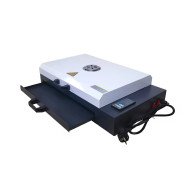
Printing technology has evolved, allowing high-end performance in compact sizes, particularly in UV printers. However, hidden operational bottlenecks often challenge efficiency, impacting both output and cost-effectiveness. Explore the Smart Version A4 UV Printer's operations to understand the bottlenecks that may arise during usage.
Technical Deep-Dive
UV Printing Technology Overview
Smart Version A4 UV Printers utilize ultraviolet light to cure ink instantly. The rapid curing results in less drying time and higher throughput. Yet, this requires precise alignment and calibration, forming potential bottlenecks.
Ink System Constraints
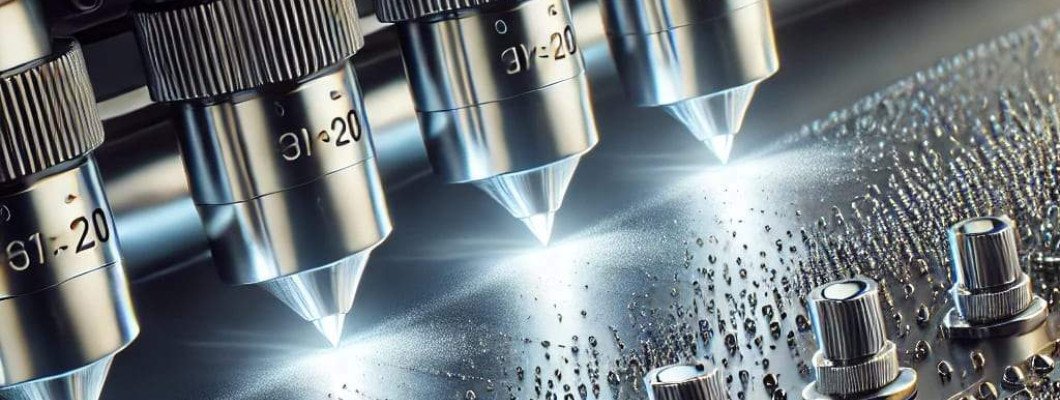
UV printers operate with specific ink chemistries that necessitate precise viscosities and temperatures. Variability in ink properties can cause nozzle blockages, reducing operational efficiency. The interaction between ink viscosity and substrate surface tension should be monitored, as they impact print quality and speed.
Substrate Limitations
Substrates vary in absorption rates and coatings. The Smart Version A4 UV Printer is designed for specific substrates; deviation can lead to incompatibility, reducing output quality. Key substrates exhibit different thermal expansions that affect precision.
Hardware Versus Throughput
On paper, specifications promise high dpi outputs, but real-world results often reveal slower speeds due to processing bottlenecks, such as data handling and thermal management within the device. A comparison shows this disparity:
| Spec | Advertised | Real-World |
|---|---|---|
| Printing Speed | 40 A4/hr | 28 A4/hr |
| Resolution | 1200 dpi | 950 dpi |
Data Processing and Workflow Integration
Integrating the printer within existing workflows poses challenges due to data throughput limitations. Network connectivity constraints can slow data input/output processes, demanding robust IT infrastructure.
Scenario Analysis
High-Volume Production
In a high-volume scenario, the printer's speed and precision are essential, but bottlenecks in ink curing and substrate handling can reduce throughput, impacting timelines and efficiency.
Customized Short-Run Jobs
For custom orders, the flexibility of substrate handling is crucial. However, substrate compatibility issues may arise, restricting substrate variety and affecting job feasibility.
Design Prototyping
During prototyping, high-resolution outputs are valuable. Yet the printer's real-world resolution limitations might not support intricate design testing, necessitating alternative methods or equipment.
Expert FAQ
What causes UV curing inconsistencies?
Factors include substrate reflectivity, UV lamp aging, and ink formulation variances.
How does substrate thermal expansion affect printing?
Different expansions due to heat may lead to misalignment and reduced precision.
Why is printhead maintenance critical?
Proper maintenance prevents nozzle clogging, ensuring consistent output and reducing downtime.
What are the challenges of integrating into a network?
Network bandwidth and protocol compatibility can slow data transfer and increase latency.
How can ink viscosity variation be controlled?
Implementing controlled environment storage and ink conditioning systems can mitigate this issue.
Strategic Verdict
The Smart Version A4 UV Printer provides advanced capabilities but is not devoid of challenges. Its technical specifications promise much, yet realizing its full potential requires addressing hidden operational bottlenecks. Strategic enhancements in workflow integration and substrate compatibility are necessary to harness its capabilities fully. As technology advances, incremental improvements may offer solutions to current limitations, positioning UV printing for broader industrial application.