
Entry-level apparel brands lowering startup risk with a3 dtg printer focused on short runs
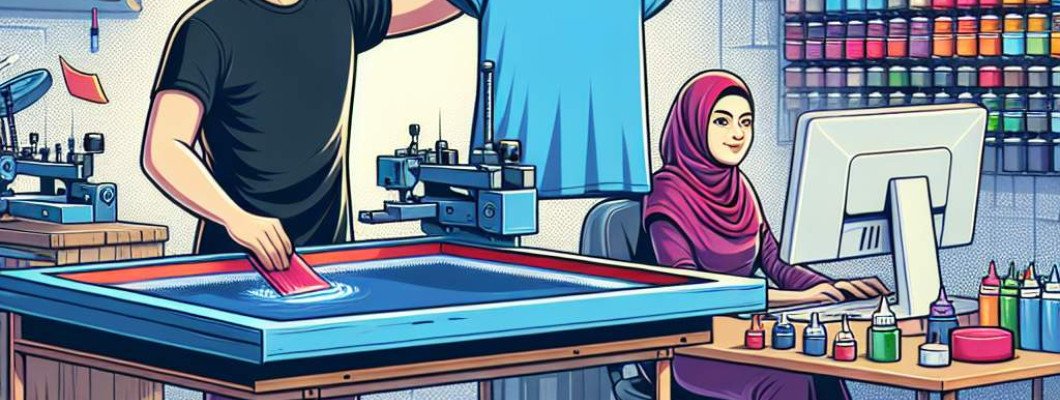
Are you struggling to turn your apparel ideas into a profitable startup? Do you find the costs and risks of traditional printing methods too daunting for your small or emerging brand? If these questions hit close to home, you're not alone. Many new clothing entrepreneurs face high upfront investments, large inventory risks, and longer production runs that don"t match their current demand.
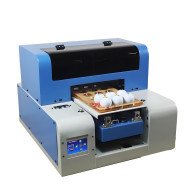
This is where technology like the A3 DTG printer changes the game. Specifically designed for short runs and low-volume printing, these printers can help you reduce startup costs, minimize waste, and test new designs quickly and effortlessly. Imagine being able to produce high-quality, custom apparel without the burdens of large batch manufacturing. That"s exactly what entry-level apparel brands are embracing today.
Understanding the Power of A3 DTG Printing for Small Brands
Direct-to-Garment (DTG) printing traditionally required big investments—high-capacity machines, extensive setup, and large minimum order quantities. Now, with the advent of A3-sized DTG printers, startup brands can enjoy several advantages:
- Cost-effective small runs: Produce exactly what you need, when you need it.
- Faster turnaround times: Quickly adapt designs or test new ideas.
- High-quality output: Crisp, detailed prints comparable to professional presses.
- Low initial investment: Smaller machines mean lower entry barriers, ideal for startups.
For example, a small brand founder I know started by printing a few custom t-shirts for local events. Using an A3 DTG, they could fulfill those orders without overspending on inventory or committing to huge batches. That flexibility allowed them to gradually expand their line based on real customer feedback.
Why Short Runs Matter in the Modern Apparel Market
In today's fast-moving fashion landscape, short runs aren"t just beneficial—they"re essential. Consumers now demand personalized, unique clothing, and brands that can meet this demand quickly have a competitive edge. Plus, the risks associated with large inventory are significant, especially when starting out.
Here's why short runs are crucial:
- Testing new designs: Launch new styles without huge upfront costs.
- Limited edition drops: Create exclusivity to increase demand.
- Reducing waste: Print only what you sell, minimizing unsold stock.
- Faster market response: Quickly adapt to trends or customer feedback.
Many top brands started small, perfecting their designs with short runs until they gained enough market traction. As an apparel startup, aligning your production with these principles can significantly improve your success chances.
Breaking Down the Cost Savings of Using A3 DTG Printers
Traditional apparel printing methods like screen printing or heat transfers often involve significant setup costs, minimum order requirements, and waste. In contrast, A3 DTG printers offer a smarter way to manage your budget:
- Lower equipment costs: Smaller, less expensive than industrial presses.
- No need for screens or chemicals: Eliminates setup fees and toxic waste.
- Minimal inventory: Print-on-demand reduces storage costs and waste.
- Reduced risk: Start small, scale gradually.
Suppose you want to test a new streetwear design. With traditional methods, you'd need to commit to hundreds of pieces upfront. With an A3 DTG printer, you can produce just a handful and see how the market responds, protecting your cash flow and reducing waste.
Case Study: From Idea to Income with A3 DTG Printing
Imagine Emily, a budding designer, who had an idea for a sustainable t-shirt line. She didn't have the funds to produce large quantities but wanted to test her concepts quickly. She invested in an A3 DTG printer and started printing small batches on-demand. Within months, her designs gained popularity online, leading to larger orders and expanded product lines.
Her success story highlights how affordable, nimble production methods supported her growth. This approach allowed her to stay lean, adapt to customer preferences swiftly, and ultimately build a profitable brand without heavy initial investment.
Choosing the Right A3 DTG Printer for Your Brand
Not all A3 DTG printers are created equal. When selecting equipment, consider:
- Print quality: Crisp, durable prints that can impress your customers.
- Ease of use: User-friendly interfaces reduce learning curves.
- Maintenance requirements: Machines that are easy to clean and maintain save time and costs.
- Cost: Balance features with your budget.
For emerging brands, investing in reliable yet affordable models is key. Visit this link for top-rated options that meet these criteria and help you keep startup risks low while focusing on your designs.
Getting Started with Short-Run Apparel Production
Introducing your apparel brand with small batches is straightforward once you understand the process:
- Design your artwork: Create eye-catching, high-resolution designs.
- Choose quality blank garments: High-quality options retain their look after multiple washes.
- Set up your A3 DTG printer: Follow manufacturer instructions or hire professional support if needed.
- Start printing: Produce small batches to fulfill customer orders or test markets.
- Market directly to your customers: Leverage social media, local events, or online stores to build buzz.
Remember, the focus is on flexibility and quality. As your brand grows, you can scale up or diversify your designs, always leveraging the efficiency of short-run, on-demand printing.
FAQ About Entry-Level Apparel and A3 DTG Printing
- Q1: Is A3 DTG printing suitable for all fabrics?
- Most A3 DTG printers work best with cotton or cotton-blend fabrics. For other fabrics like polyester, specific printers or pretreatment processes may be required.
- Q2: How durable are DTG prints on apparel?
- High-quality DTG prints can last through multiple washes if properly cured and maintained. Using the right inks and pretreatment is essential for longevity.
- Q3: Can I start small with an A3 DTG printer at home?
- Yes, many models are compact enough for home use, making them perfect for hobbyists and entrepreneurs just starting out.
- Q4: How fast can I produce a batch of shirts with an A3 DTG?
- Production speed varies by machine, but many can print an individual shirt within 10-15 minutes, suitable for low to medium volume runs.
- Q5: What are the ongoing costs associated with DTG printing?
- Inks, maintenance, and pretreatment supplies are recurring costs. However, these are generally lower compared to traditional printing setups, especially for short runs.












Leave a Comment