
Emerging Materials and DTG Printing: Challenges and Opportunities
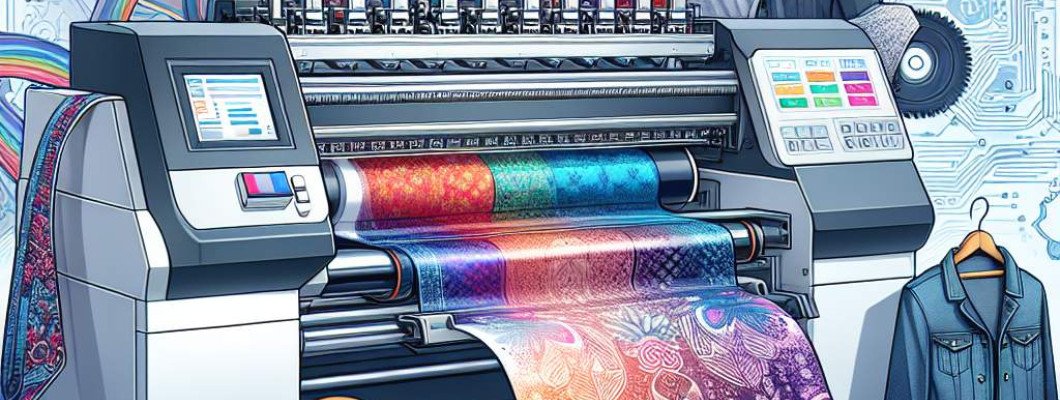
Are You Struggling to Keep Up with Emerging Materials in DTG Printing?
If you're into direct-to-garment (DTG) printing, you"ve probably noticed how quickly materials are evolving. New fabrics, blends, and innovative textiles keep appearing, promising better quality, sustainability, and greater design flexibility. But with all these innovations, comes a fair share of challenges. So, how do you decide which materials are worth investing in? And what opportunities can you unlock with emerging textiles? Let's dig into these questions.
Just recently, I was chatting with a fellow printer who was nervous about switching to new eco-friendly fabrics. He was worried about compatibility with his existing setup and whether it would impact his printing quality. And honestly, these fears are valid. New materials can mean new tech requirements, so understanding the landscape is crucial.
Understanding the Challenges of Emerging Materials in DTG Printing
Compatibility and Tech Adaptation
One of the biggest hurdles is compatibility. Many emerging textiles require adjustments in your printer settings or even new equipment. For example, some sustainable fabrics have higher cotton content and are softer but can be more prone to ink bleeding. If your current printer isn't optimized for these, you'll see inconsistent results or even damage to your print head.
Additionally, some fabrics may need pre-treatment or special inks. You can't just load a new textile and expect perfect results overnight. It requires testing, calibration, and sometimes, firmware or hardware upgrades. Before jumping into new materials, do your homework and consult with suppliers or tech experts.
Sustainability and Cost Impacts
Many emerging fabrics are marketed as eco-friendly, but they often come with higher costs. Sustainable textiles—like organic cotton, bamboo, or recycled polyesters—can be more expensive per yard. This impacts your margins, so you must consider your pricing strategies carefully. Also, suppliers might have limited stock or longer lead times, which complicates inventory planning.
On the flip side, using eco-friendly materials can attract environmentally conscious customers, providing a competitive edge. It's a balancing act—cost vs. opportunity.
Print Quality and Durability
Not all new fabrics behave the same under DTG. Some may show less vibrant colors or bleed if not properly prepared. Plus, durability is key—customers want prints that last through washing and everyday wear. Some innovative textiles are softer, which can make ink absorption tricky, leading to faded or cracked prints over time.
Test your chosen fabrics thoroughly. Run wash cycles, check for color fastness, and get feedback from users before scaling up production. Failing to do so could harm your reputation for quality.
Opportunities with Emerging DTG Materials
Market Differentiation and Unique Offerings
Here's the thing—embracing emerging materials can set you apart. Consumers are increasingly interested in sustainable and innovative fashion. Offering products made from eco-friendly or high-tech textiles gives your brand a unique selling point. You might find niche markets—performance wear, eco-conscious apparel, or art-focused custom designs—that thrive on these new fabrics.
Remember, innovation today often leads to higher profit margins. If you can master new textiles early, you'll attract premium clients willing to pay more for quality and sustainability. It"s all about positioning yourself as a cutting-edge printer.
Expanding Your Product Range
New fabrics open doors to expand into new categories. For example, stretchy, odor-resistant textiles are perfect for sportswear, while ultra-soft blends suit luxury loungewear. These materials often require specialized finishes or techniques, but once mastered, they create opportunities for diversification. Think about offering individually tailored products, limited editions, or collaborations that highlight material innovation.
And because the market is evolving fast, staying ahead of trends could secure long-term growth. Keep tabs on textile developments, attend trade shows, or subscribe to industry updates.
Technical Edge and Future-Proofing
As an innovator, adopting emerging materials helps future-proof your business. Technologies like DTG printing are always advancing, but materials need to keep pace. By experimenting with cutting-edge fabrics now, you'll develop expertise that keeps you competitive when others lag behind.
Plus, there"s a lot of room for creative problem-solving. You might develop new pre-treatment techniques or inks suited specifically for these fabrics, giving you a technical edge over competitors who stick to traditional textiles.
How to Successfully Incorporate Emerging Materials into Your DTG Printing Business
Start Small and Test Rigorously
- Order small quantities of new fabrics for testing.
- Run comprehensive testing—print trials, wash tests, color fastness.
- Document results and note any adjustments needed.
Build Relationships with Material Suppliers
Work closely with suppliers to understand fabric properties and recommended print settings. They can often provide technical support and samples tailored to your needs.
Invest in Equipment and Software Updates
If your printer or software needs upgrades to handle new textiles, consider investing early. Check the specs of your current setup and consult your manufacturer about necessary changes.
Educate Your Team
Training your staff on handling new fabrics is key. They need to know about pre-treatment, curing, and troubleshooting common issues.
Promote Your Innovation
Don't hesitate to market your expertise in emerging materials. Show off your latest projects, highlight eco-friendly fabrics, and tell stories behind your unique textiles to attract customers looking for one-of-a-kind products.
FAQs About Emerging Materials and DTG Printing
- Q1: Can I use my existing DTG printer for new textiles?
- A1: It depends. Many printers require adjustments or upgrades for certain fabrics. Consulting with your manufacturer is key.
- Q2: Are eco-friendly fabrics more expensive?
- A2: Generally, yes. But the added value of sustainability can justify higher prices in a niche market.
- Q3: How do I test new fabrics effectively?
- A3: Run print trials, check for color vibrancy, wash durability, and compare results with your standards. Keep detailed notes.
- Q4: What are some popular emerging textiles for DTG?
- A4: Organic cotton, bamboo blends, recycled polyesters, and ultra-soft performance fabrics are trending.
- Q5: How can I stay ahead of textile trends?
- A5: Follow industry trade shows, subscribe to textile publications, and engage with suppliers and tech forums regularly.
If you"re serious about mastering emerging materials in DTG printing, understanding these challenges and opportunities is your first step. The right approach can turn these innovations into your competitive advantage.
For those ready to upgrade their setup or explore new textiles, check out this A3 DTG Printer. It"s designed to handle a wide range of materials and gives you the flexibility to experiment with emerging textiles confidently.














Leave a Comment