
Emerging fashion startups gain an edge using sustainable DTG printer technology
Emerging fashion startups gain an edge using sustainable DTG printer technology
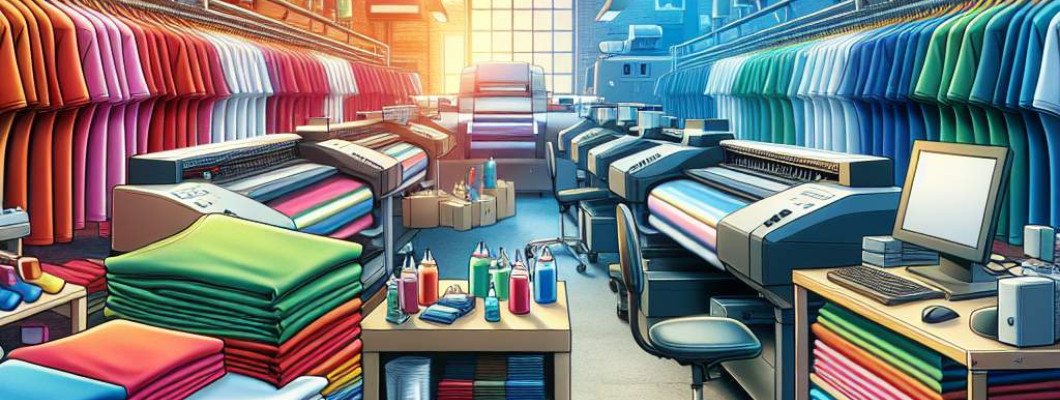
In the fast-paced world of fashion innovation, startups are constantly seeking ways to differentiate themselves while remaining environmentally responsible. One game-changing development is the adoption of sustainable Direct-to-Garment (DTG) printing technology. This cutting-edge approach not only allows emerging brands to produce high-quality, custom apparel but also aligns with the growing consumer demand for eco-friendly products. As sustainability becomes a key factor in purchasing decisions, fashion startups leveraging green DTG solutions are gaining a significant competitive advantage and setting new industry standards.
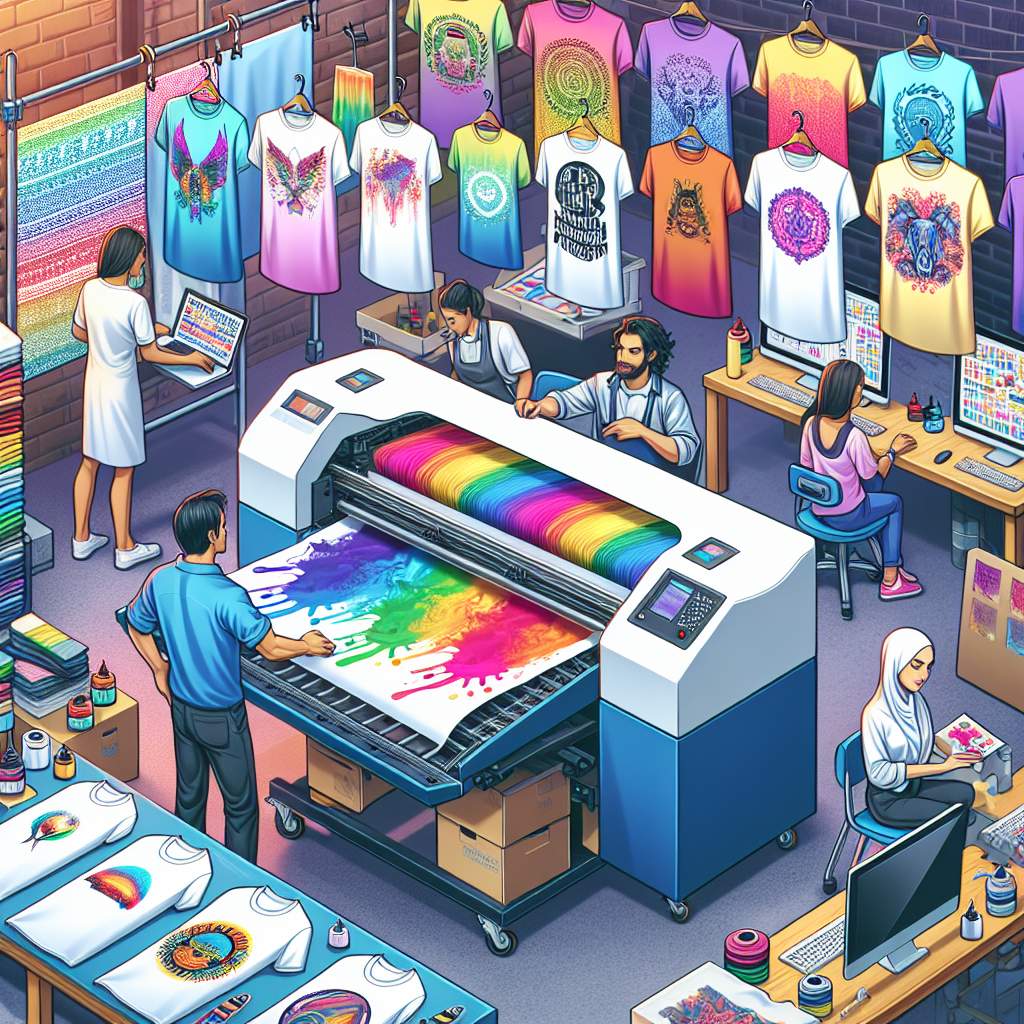
Traditional garment printing methods often involve high water consumption, chemical dyes, and energy-intensive processes that contribute to pollution and environmental degradation. In contrast, sustainable DTG printers utilize water-based inks and environmentally friendly processes that drastically reduce waste and water usage. These innovations enable startups to produce vibrant, durable prints without compromising the planet's health. The ability to create detailed designs directly onto apparel simplifies production workflows, shortens time-to-market, and minimizes excess inventory—factors that are particularly beneficial for startups with limited resources.
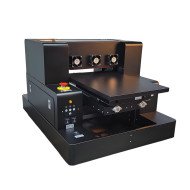
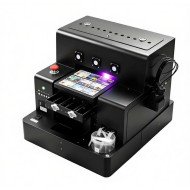
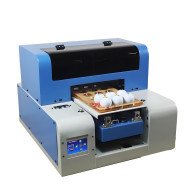
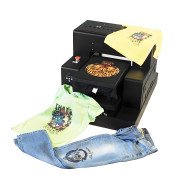
Moreover, the flexibility of DTG technology empowers small-scale fashion brands to offer on-demand printing, allowing for personalized apparel that appeals to niche markets. This customization potential not only enhances customer satisfaction but also minimizes overproduction—a common challenge in traditional manufacturing. By adopting sustainable DTG printers, startups can swiftly respond to fashion trends, test new designs, and adjust their offerings with minimal waste. This agility is vital for new brands aiming to establish a strong presence in a competitive industry. For more insights into top-tier DTG printers, check out A3 DTG Printer and see how they can elevate your fashion business.
Environmental and Economic Benefits of Sustainable DTG Printing
The environmental advantages of sustainable DTG printing are profound. Using water-based inks reduces chemical runoff, and the process's lower energy demands contribute to a smaller carbon footprint. Many green DTG solutions also promote the use of biodegradable inks and recyclable materials, supporting brands committed to circular fashion. For startups, these eco-friendly practices not only appeal to environmentally conscious consumers but can also result in cost savings over time. Reduced water and chemical use lower disposal and treatment expenses, while on-demand printing minimizes excess inventory and waste—saving money and resources. Such economic benefits are crucial for emerging brands operating on lean budgets, allowing them to scale responsibly and sustainably.
The Role of Technology and Innovation in Sustainable Fashion
Technology-driven solutions like sustainable DTG printers are transforming how fashion startups approach manufacturing and branding. Advanced printers now offer improved print quality, faster production times, and greater color accuracy—matching or surpassing traditional screen printing methods. The integration of digital tools enables precise design customization, which is essential for brands catering to a diverse and global customer base. Sustainable DTG solutions also promote ethical manufacturing practices by reducing hazardous waste and energy consumption, aligning brand values with consumer expectations for social responsibility. As sustainability becomes a core aspect of business strategy, investing in eco-friendly printing technologies positions startups as forward-thinking innovators committed to positive change.
Startups Leading the Charge in Eco-Friendly Fashion
Many emerging fashion brands are already embracing sustainable DTG printing as part of their ethos. These startups often highlight their environmental efforts in branding, marketing, and consumer engagement, thereby building trust and loyalty. By choosing eco-conscious printing methods, they demonstrate a genuine commitment to reducing their ecological impact, which resonates with today's socially aware shoppers. Incorporating sustainable DTG technology also fosters a culture of innovation and responsibility within the company, inspiring teams and partners to prioritize green practices. As the industry continues to evolve, these pioneering startups set a precedent, encouraging larger brands and manufacturers to adopt similar sustainable solutions.
Challenges and Future Outlook
While sustainable DTG printing offers substantial benefits, some challenges remain. Higher initial investment costs and the need for specialized training can be barriers for small startups with tight budgets. However, as technology advances and economies of scale kick in, prices are gradually decreasing, making eco-friendly printers more accessible. Additionally, ongoing improvements in ink formulations and printer efficiency promise to enhance sustainability further. The future of sustainable fashion hinges on continuous innovation and collaboration across industry stakeholders, from manufacturers to consumers. As awareness grows, it is expected that more startups will integrate green printing solutions to meet environmental commitments and market demand. Embracing these sustainable technologies will be vital for brands aiming to thrive in a future where sustainability is not just a trend but a standard.
Final Thoughts: How Startups Can Get Started
Transitioning to sustainable DTG printing is a strategic move that can differentiate startups from their competitors. Start with assessing your brand"s values, target audience, and production needs. Research various green DTG printers and request demonstrations or samples to gauge quality and performance. Partnering with reputable suppliers, like Gnfei, can provide reliable equipment and ongoing support. When choosing a printer, consider features such as ink compatibility, size, speed, and customer service. Investing in training and maintenance will ensure smooth operations and consistent output. Ultimately, adopting sustainable printing technology aligns your startup with the future of fashion—one that is innovative, responsible, and eco-friendly. Your commitment to sustainability can not only enhance brand reputation but also contribute positively to our planet"s wellbeing.






Leave a Comment