Edible Printing Meets Industrial Infrastructure

Edible Printing Meets Industrial Infrastructure
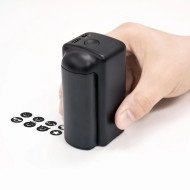
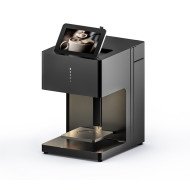
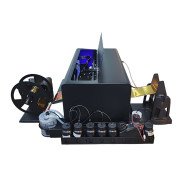
In the sphere of high-precision manufacturing, adopting innovative printing technologies presents unique challenges. Cake Printer, Pizza Printer, and Edible Food Printer are pivotal inventions reshaping culinary production. Yet, the integration of these systems into industrial infrastructure demands strategic foresight. The intricate balance between food safety protocols and high-throughput printing must be examined under rigorous scrutiny.
Technical Deep-Dive
Hardware Specifications
These printers utilize precise printheads capable of emitting ink droplets in picoliters (pl), ensuring fine-tuned, edible outputs. Comparing systems, the Cake Printer operates at 1200 dpi, while the Pizza Printer delivers broader substrates at 800 dpi.
Printhead Physics
Analyzing the impact of nozzle size variation, the printers maintain micron-level precision across varying viscosities. For instance, a cake's icing requires different shear rates compared to tomato sauce on a pizza.
Ink Chemistry
Edible inks must comply with food grade standards, offering colors that remain vibrant post baking or chilling. Formulations are continually tweaked (water-based vs. sugar-based) to align with substrate needs.
Thermal Management
Proper thermal management within the food printer is critical. These printers operate within a specific temperature range (45-75°C) to ensure stability of edible inks.
Compliance Standards
Catering to diverse regional regulations requires printers to be adaptable, meeting various compliance standards without compromising on output quality.
| Printer Type | DPI | Ink Type | Temperature Range |
|---|---|---|---|
| Cake Printer | 1200 | Water-based | 45-60°C |
| Pizza Printer | 800 | Sugar-based | 50-75°C |
Scenario Analysis
Consider a gourmet bakery striving for high-end customization. A Cake Printer can provide intricate designs, enhancing customer experience with personalized touches. Conversely, a fast-food chain implementing Pizza Printers can offer rapid, bespoke orders, reducing wait times and enhancing throughput.
For large-scale events, deploying multiple Edible Food Printers allows caterers to produce vast numbers of decorated goods efficiently, adhering to tight schedules without sacrificing quality.
Expert FAQ
- How do printhead specifications impact output quality? Printhead size and precision directly affect the resolution and clarity of edible prints.
- What are the maintenance demands of food printers? Regular cleaning cycles are crucial to maintain hygiene and print quality.
- Can these printers handle non-standard substrates? Yes, but calibration is necessary to ensure output consistency.
- What is the expected lifecycle of a food printer? Roughly five years, depending on usage frequency and maintenance regimes.
- How do compliance standards vary globally? Each region has unique food safety codes; printers must be versatile to comply with all.
Strategic Verdict
The trajectory of edible printing technology in industrial settings shows promise, yet demands careful alignment with existing infrastructure. As integration processes evolve, these devices will become even more indispensable in culinary arts.