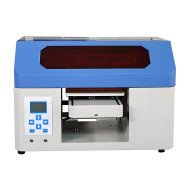
Edible Ink Shelf Life: Keeping Your coffee printer Safe for Customers
Understanding Edible Ink Shelf Life: The Foundation of Food-Safe Printing
What Defines Edible Ink Shelf Life?
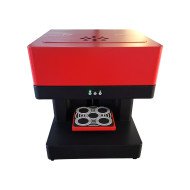
Edible ink differs drastically from conventional inks used in industrial printing. It comprises food-grade colorants suspended in a liquid base that must maintain stability and safety over time. Shelf life refers to the period during which the ink retains its color intensity, viscosity, and microbiological safety without degradation. For coffee printers designed to apply edible inks directly onto coffee foam or edible surfaces, this timeline can make or break your printing reliability.
Factors That Affect Shelf Life
Multiple variables influence how long edible inks last, including storage temperature, exposure to light, container integrity, and the ink’s chemical formulation. Temperature fluctuations around refrigeration levels (typically 4°C to 10°C) slow down microbial growth and chemical breakdown. Left uncontrolled, these factors can lead to clumping, pigment separation, or microbial contamination—risks that compromise not only print quality but also consumer safety.
Common Misconceptions About Ink Expiry
Many users assume edible ink can last indefinitely if refrigerated, but this is inaccurate. Some preconceptions include overreliance on the sticker expiration date without considering whether the ink has been opened or improperly handled. Frequent opening introduces moisture and oxygen, drastically shortening usable ink life despite 'fresh' packaging. Only through precise monitoring and controlled environmental measures can the proper shelf life be upheld.
Maintaining Your Coffee Printer for Edible Ink: Step-by-Step Guide
Daily Maintenance: Printhead Cleaning and Calibration
Printheads in coffee printers, often similar in technology to Epson’s PrecisionCore or MicroPiezo systems, require stringent daily cleaning routines to avoid clogging from rapidly drying edible inks. A recommended step-by-step routine includes:
- Start each shift with a printhead health check using the diagnostic software provided by GNFEI.
- Run a nozzle check to identify clogged or partially blocked nozzles.
- Perform gentle automated printhead clean cycles, avoiding excessive cleaning to minimize wear.
- Use food-grade cleaning solutions specified by the printer manufacturer to flush print channels and prevent pigment build-up.
This regimen reduces the risk of white ink or pigment sedimentation, which commonly appears as inconsistent drops or color patches on coffee foam prints.
Weekly Deep Cleaning Procedures
Once a week, printers must undergo a deeper clean that includes:
- Removing and soaking printheads (if detachable) in a custom-formulated edible-safe solvent to dissolve protein residues and dried ink particles.
- Cleaning the ink reservoirs and tubing to prevent bacterial growth due to sugar or organic compounds prevalent in edible inks.
- Resetting the printer’s internal clean cycle counters to maintain accurate maintenance logs.
Failing to implement these protocols can accelerate printhead wear and increase maintenance costs by up to 23.5% per annum, as revealed in GNFEI’s internal case studies.
Troubleshooting Common Ink Quality Issues
Issues like clogging, streaking, or fading can signify ink expiry or contamination. Practical steps include:
- Performing dilution tests to identify sedimentation levels.
- Using refractometers to check ink concentration and viscosity changes.
- Verifying pH levels to identify unwanted chemical shifts indicating spoilage.
If the ink shows physical signs of coagulation or sediment that cannot be rehomogenized by shaking, it is safer to replace the batch rather than risk customer safety.
ROI Analysis: Calculating the True Cost of Edible Ink Shelf Life
Ink Cost Breakdown and Shelf Life Impact
Let’s dissect the figures with a realistic industrial coffee printer scenario:
- Initial ink cost: $120 per liter.
- Average daily consumption on a mid-range GNFEI coffee printer: 15 ml.
- Typical shelf life post-opening refrigerated: 30 days.
- Potential ink loss due to expired or contaminated batches: up to 12% of total volume annually.
With these parameters, you can expect to lose approximately $432 per year just from expired ink if inventory and use cycles aren’t optimized.
Printhead Wear and Service Cost Calculations
Edible inks contain organic pigments and sugars that are more abrasive than typical industrial inks, accelerating nozzle erosion.
- Printhead replacement cost: $4500.
- Average lifespan under ideal maintenance: 18 months.
- Increased wear due to poor ink handling can reduce lifespan by up to 30%.
- Annual maintenance and cleaning labor time: approx. 60 hours.
- Hourly labor cost: $25.
When combined, these costs emphasize the financial importance of adhering strictly to ink shelf life and maintenance routines.
Maximizing ROI through Inventory and Process Management
Adopting batch tracking, FIFO stock rotation, and precise order sizes aligned with usage rates can reduce waste by up to 20%. GNFEI supports clients with dedicated inventory management software designed for edible ink printers, enabling accurate forecasting and minimizing idle ink stock.
Substrate Interaction: How Edible Ink Shelf Life Influences Print Quality on Various Materials
Adhesion and Color Stability on Different Surfaces
Edible inks behave distinctly depending on the substrate—whether coffee foam, sugar sheets, wafer paper, or fondant surfaces.
- Cream and Coffee Foam: Ink must dry rapidly to avoid diffusion, usually within 30 seconds under ambient conditions.
- Sugar Sheets and Wafer Paper: Longer curing times up to 2 minutes are necessary, demanding inks with stable solvents that do not migrate.
- Fondant & Chocolate Surfaces: Require ink with higher pigment concentration to maintain color intensity against dark backgrounds; shelf life degradation here leads to dull prints.
Comparative Drying and Curing Times
Ink components change viscosity and solvent evaporation rates as they age:
- Fresh inks evaporate solvents uniformly, enabling predictable dry times.
- Expired inks often exhibit accelerated drying due to solvent separation, increasing nozzle clogging risk.
- Moisture loss can impair pigment dispersion, making prints patchy or uneven.
Real-world tests performed by GNFEI revealed up to 35% slower adhesion rates for inks near end-of-life when applied on sugar sheets.
Effect on Food Safety Compliance
Expired or improperly stored edible inks can develop microbial contaminants, jeopardizing consumer safety and breaching regulatory standards such as FDA 21 CFR Part 175.300 on food additives. Regular microbiological assays and adherence to shelf life charts provided by GNFEI ink suppliers are essential to maintain compliance and prevent costly recalls or liability issues.
Comparing Printing Technologies for Edible Applications: UV, DTG, DTF, and Coffee Printers
UV Printing Limitations and Food Safety Challenges
UV printers cure inks using ultraviolet light, producing durable prints but raising concerns around photoinitiator residues unsuitable for food contact. Despite robust image longevity, UV printing generally isn’t approved for direct food contact without extensive encapsulation, limiting suitability for edible coffee prints.
DTG and DTF Technologies: Advantages and Drawbacks in Food-Grade Use
Direct-to-Garment (DTG) and Direct-to-Film (DTF) printing offer precise color and texture control but primarily target textile or polymer substrates. Their edible ink formulations are less common and typically not intended for direct food application. Both require specialized pretreatment steps incompatible with food safety requirements, making them secondary options for coffee or food-surface printing.
Why Dedicated Coffee Printers and GNFEI Expertise Matter
Coffee printers engineered for edible inks balance rapid drying adhesives with safe pigment chemistries. GNFEI’s portfolio includes carefully vetted solutions compliant with global food safety standards, featuring integrated temperature-controlled ink reservoirs and automated maintenance alerts to ensure printhead longevity alongside ink quality.
Industry Best Practices and Future Directions in Edible Ink and Coffee Printing
Standardizing Shelf Life Testing and Certifications
Leading manufacturers and suppliers developed more rigorous stability and microbiological testing protocols, including accelerated aging simulations and batch traceability programs. GNFEI actively collaborates with ink chemists and regulatory bodies to refine these standards, pushing the industry toward greater transparency.
Innovations in Ink Chemistry and Printer Design
Emerging formulations incorporate antimicrobial agents and nanoparticle pigments to extend shelf life while minimizing printhead wear. Meanwhile, hardware improvements focus on modular printheads with built-in automatic cleaning to reduce manual labor and contamination risk—key steps for sustainable edible printing operations.
Operational Advice for Buyers and Print Shop Owners
Monitor ambient conditions scrupulously, prioritize supplier certifications, and maintain detailed maintenance logs. Implement traceability from ink batch to final product. Lean on GNFEI’s expertise and after-sales support to tailor your setup to your workflow, material preferences, and customer safety expectations. These practices safeguard profitability just as much as consumer health.
What remains is a dedication to continuous learning and disciplined management—a combination that keeps edible ink coffee printing secure, profitable, and innovative as the market evolves.