
Edible ink safety standards evolve alongside increasing coffee printer market expansion

In recent years, the coffee industry has experienced a remarkable transformation with the advent of innovative printing technologies, particularly the rise of coffee printers that allow for customized, visually appealing beverages. This advancement offers baristas and coffee enthusiasts alike the opportunity to personalize drinks with intricate latte art, logos, or decorative patterns, making each cup a unique masterpiece

Initially, the concept of edible inks was confined to traditional food decoration and bakery products, where safety standards were well-established under food-grade regulations. However, the integration of edible inks into coffee printers presents new challenges that require updates to existing standards. Unlike conventional food coloring, edible inks used in coffee printers must satisfy specific criteria including heat stability, solubility in liquids, and compatibility with beverage ingredients, all while ensuring microbial safety and non-toxicity . As the market expands, regulatory bodies such as the FDA (Food and Drug Administration), EFSA (European Food Safety Authority), and other national agencies have enhanced their food safety protocols to cover these advanced applications. Recent developments include comprehensive testing procedures for edible ink compositions, strict guidelines on the permissible additives, and standardized manufacturing processes to minimize contamination risks. These evolving regulations serve to safeguard consumers from potential health hazards associated with improperly formulated inks or substandard production practices.
One of the key drivers behind the evolution of edible ink safety standards is the increasing consumer demand for healthier and safer food and beverage options. As more coffee shops, cafes, and even large chains incorporate coffee printers into their menus, customers become more aware of the ingredients used and expect transparency regarding food safety. This shift has prompted manufacturers and suppliers of edible inks to adhere to more rigorous quality assurance protocols. For example, many now source food-grade pigments approved for direct contact with beverages and have implemented multi-stage testing for microbial contamination, stability over shelf life, and compatibility with various coffee compositions . Companies are also investing in research to develop improved formulations that resist temperature fluctuation and do not alter the taste or aroma of the coffee. Such innovations not only enhance safety but also improve the overall user experience, pushing the market towards higher standards and wider acceptance.
Furthermore, the industry is witnessing a growing emphasis on sustainable and eco-friendly practices in edible ink production. As environmental concerns gain global attention, regulators and manufacturers are working together to develop inks with biodegradable components and reduced chemical footprints. These efforts are reflected in updated standards that prioritize the use of natural, non-toxic colors derived from plant extracts, minerals, and other sustainable sources . This trend aligns with the broader movement toward green food technology and positions safety standards as not only a question of health but also environmental responsibility. Compliance with these updated standards is crucial for brands seeking certification and consumer trust in an increasingly conscious marketplace.
In addition to regulatory updates, technological advancements are playing a significant role in elevating safety standards. Modern coffee printers now incorporate closed-loop systems, sterilization modules, and real-time monitoring of ink quality to prevent contamination and ensure consistent safety parameters . The integration of IoT (Internet of Things) technology enables manufacturers and operators to track each batch of edible ink from production to application, facilitating transparency and traceability. Such innovations are instrumental in meeting the stringent safety regulations and fostering confidence among consumers and business partners alike. Manufacturers of these printers and inks are also collaborating closely with food safety authorities to develop standardized testing benchmarks, ensuring that new formulations undergo rigorous safety assessments before reaching the market.
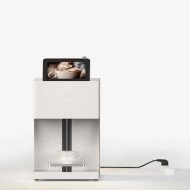
If you're interested in integrating coffee printing technology with assured safety standards, explore products that are compliant with international regulations. For instance, the 3D Latte Coffee Printer Food Printer offers advanced solutions designed with safety and quality in mind, supporting the growing demand for intricate and safe beverage decoration. Partnering with reputable manufacturers ensures that your offerings remain compliant with current safety standards while delivering innovative and eye-catching coffee experiences to your customers .
Looking ahead, the trajectory of edible ink safety standards suggests a future where technological innovation and regulatory oversight will continue to evolve hand-in-hand. Ongoing research into biocompatible and natural ingredients, coupled with stricter manufacturing practices, promises to enhance consumer confidence and promote wider adoption of coffee printing solutions. Manufacturers are also expected to participate actively in international standards organizations to harmonize safety protocols, making it easier for products to meet global market requirements . These concerted efforts will ensure that as the coffee printer market grows, safety remains a central pillar, protecting consumers while enabling creative expression through customized beverages.
In conclusion, the expansion of the coffee printing industry has prompted a parallel evolution in edible ink safety standards. From stricter testing protocols to sustainable formulations and innovative printing technologies, the industry is taking comprehensive measures to ensure product safety and quality. As both regulatory bodies and manufacturers work together, customers can enjoy beautifully printed coffee beverages with confidence, knowing that their safety is prioritized at every step. The continual development of these standards not only supports market growth but also reinforces the commitment of the food and beverage industry toward health, safety, and sustainability. Embracing these advancements will be crucial for businesses aiming to stay competitive and compliant in an increasingly innovative and conscious marketplace.














Leave a Comment