Edible Food Printing Challenges and Infrastructure Integration
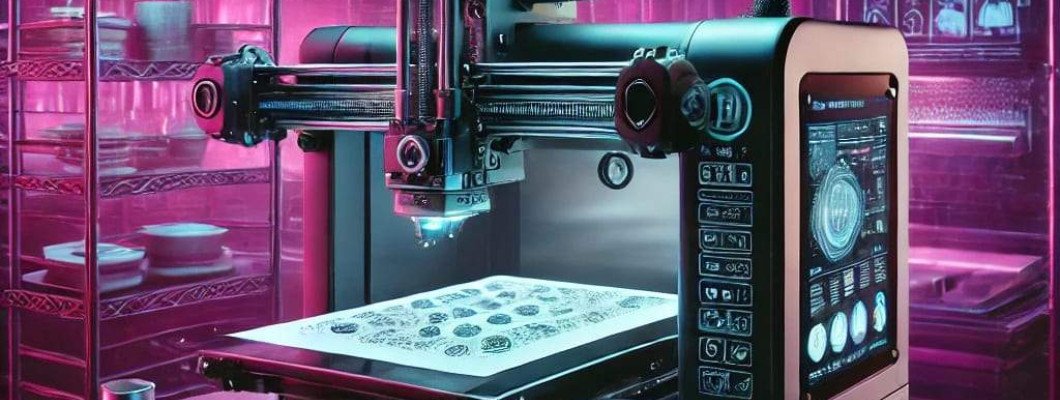
The Industrial Reality of Edible Food Printing
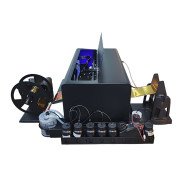
In the world of specialized printing technologies, edible food printing stands as an intriguing challenge. The aspiration to produce high-quality, edible prints involves a complex labyrinth of technical considerations. Imagine a bustling bakery, successfully integrating an A4-sized edible food printer into its operations. But the devil lies in the details and the reality of infrastructure integration poses unique hurdles. From ensuring food-grade compliance to optimizing connectivity within existing networks, the path is riddled with technical intricacies.
Understanding Infrastructure Integration in Edible Printing
Connectivity and Workflow Optimization
Integrating an A4 edible food printer into a production line isn't as simple as plugging it in and hitting 'print'. Achieving seamless connectivity with existing systems involves network configuration, bandwidth allocation, and a robust server infrastructure capable of handling potentially large print files. The printer must fit into the existing workflow with minimal disruption, requiring a detailed analysis of network protocols and data transfer speeds.
Food-Grade Compliance and Safety Standards
Food safety compliance is non-negotiable. The materials and inks used must adhere to stringent health standards, ensuring no contamination occurs during the printing process. This extends beyond just the printer, necessitating adjustments in the infrastructure to maintain a clean and regulated production environment. Compliance checks and certifications become routine, impacting the operational throughput and necessitating specialized training.
Maintenance and Downtime Mitigation
Edible printers are susceptible to frequent maintenance cycles due to the delicate nature of edible inks. Maintaining uptime requires a robust maintenance plan, including regular inspections and timely replacements of key components. Understanding the physics behind printhead operations and ink chemistry is crucial for predicting wear and preventing downtime incidents.
Integration Costs and Financial Implications
The financial implications of integrating an edible printer into existing infrastructure cannot be overlooked. Cost analyses must consider hardware compatibility, potential upgrades, installation, and ongoing maintenance costs. These figures impact CAPEX and OPEX, challenging financial controllers to balance immediate expenditure with long-term ROI.
Environmental Impact and Sustainability
Environmental and safety compliance extends to sustainability practices. The edible printing process must align with eco-friendly practices, from waste management to energy consumption. Assessing the printer's lifecycle impact, including ink and substrate disposal, is critical for an environmentally responsible operation.
| Integration Factor | A4 Edible Printer | Standard 3D Printer |
|---|---|---|
| Connectivity Requirements | High bandwidth, stable network | Standard connection |
| Food-Grade Compliance | Mandatory | Not applicable |
| Maintenance Frequency | High due to edible inks | Moderate |
| Environmental Impact | Considerable | Variable |
Scenario Analysis: Implementing Edible Printing
Bakery Production Enhancement
A bakery decides to integrate edible food printing to personalize cakes at scale. The printer becomes a central hub, necessitating reliable network configuration to handle peak demands during festive seasons. Ensuring food-grade compliance impacts initial setup, requiring investment in specialized cleaning procedures and staff training.
Event Catering Logistics
In the catering industry, customization leads to competitive advantage. Integrating an edible printer requires infrastructure capable of supporting mobile setups. Portable power solutions and network versatility become essential, as does a keen eye on maintenance to ensure operational readiness at events.
Chocolate Manufacturing Innovation
A chocolate manufacturer explores edible printing to create intricate designs on their products. The integration requires reevaluating ink chemistry compatibility with chocolate substrates, as well as adjusting environmental controls. The focus shifts to throughput maximization with minimal waste impact.
Expert FAQ on Edible Printing Integration
How does network stability affect edible printer operations?
Network stability is crucial; unstable connections can lead to print interruptions, impacting product quality and workflow efficiency.
What are the hidden costs in edible printer maintenance?
Hidden costs include frequent ink replenishment, specialized cleaning solutions, and periodic component replacements. These can accumulate over time, affecting operational budgets.
Can edible printers be easily integrated into existing production lines?
Integration is complex; requires thorough analysis of workflow compatibility, network configurations, and compliance adherence to ensure smooth transitions.
What environmental considerations are specific to edible printing?
Focus on sustainable ink disposal, energy consumption during operations, and minimizing substrate waste aligns with broader environmental goals.
How does technology impact edible print quality?
Advanced printhead technology and ink chemistry are pivotal in achieving high-quality edible outputs, demanding continual improvements and adjustments.
Strategic Verdict on Edible Printing Trajectory
The trajectory of edible food printing is defined by ongoing advancements in infrastructure integration and component technology. The industry faces hurdles in maintaining food safety standards while optimizing operational efficiency. As technology evolves, opportunities for precision and innovation grow, forecasting a dynamic shift for businesses willing to adapt.