
Eco-friendly textile trends boosting demand for dtg printer with water-based inks and sustainable printing methods

Struggling to meet the growing demand for eco-friendly textiles? You"re not alone. It"s no secret that consumers are increasingly seeking sustainable clothing options. But here"s the real question: how can your business stay ahead in this eco-conscious market? The answer might be simpler than you think — by adopting eco-friendly printing methods, especially with a focus on water-based inks and sustainable DTG printers .
Why Eco-Friendly Textile Trends Are Changing the Game
Over the past few years, the textile industry has experienced a significant shift towards sustainability. Consumers are now more aware of environmental issues and want to make responsible choices. This trend is pushing brands to find greener ways to produce their garments. But it"s not just about eco-awareness — it"s also about quality, durability, and cost-effectiveness.
For instance, I recently chatted with a small clothing brand owner who switched to water-based inks for their DTG (Direct-to-Garment) prints. They not only reduced their carbon footprint but also boosted their sales because customers loved the eco-friendly messaging. This change helped them stand out in a crowded market.
Key Benefits of Using Water-Based Inks and Sustainable Printing Methods
1. Environmentally Friendly
- Water-based inks are free from harmful chemicals found in traditional plastisol inks.
- They produce less pollution during manufacturing and printing.
- Completely biodegradable, reducing landfill waste.
2. Superior Print Quality
- Produces softer, more vibrant designs that appeal to eco-conscious consumers.
- Ideal for detailed artwork with multiple color layers.
- Creates a more natural hand feel on garments.
3. Cost Savings
- Reduces the need for harsh chemicals and extensive cleanup.
- Less waste and rework due to higher-quality prints.
- Potential for premium pricing on eco-friendly products.
How to Integrate Sustainable Printing into Your Business
Choosing the Right DTG Printer
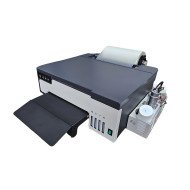
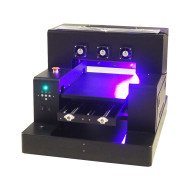
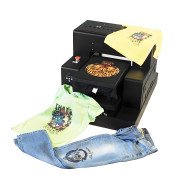
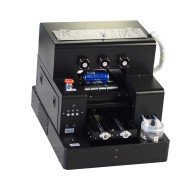
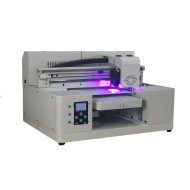
Investing in a high-quality, eco-friendly DTG printer is your first step. Look for models that support water-based inks and minimize energy use. For example, the A3 DTG Printer is designed with sustainability in mind — it offers precision, efficiency, and compatibility with eco-friendly inks .
Switching to Water-Based Inks
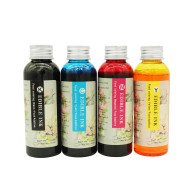
This requires some adjustments, but the benefits outweigh the effort. Coordinate with ink suppliers that specialize in water-based formulations. Test new inks on different fabrics to ensure durability and color accuracy before scaling up.
Adopting Green Printing Practices
- Use biodegradable cleaning solutions in the printing process.
- Recycle excess inks and materials whenever possible.
- Invest in energy-efficient equipment and lighting.
- Educate your team on sustainability for better implementation.
Real-Life Success Story
Take the case of a startup apparel brand I know. They transitioned fully to water-based inks and eco-friendly printing techniques about a year ago. Their customers love the story behind their products, and they've seen a 30% increase in sales. They also gained recognition in eco-conscious fashion circles, which opened new distribution channels. It"s about aligning your business with what customers want today — responsible, sustainable choices.
FAQs About Eco-Friendly Textile Printing
1. Is switching to water-based inks expensive?
Initially, there may be some setup costs, but long-term savings on chemicals and waste management often offset that. Plus, the premium positioning can boost sales.
2. Are water-based inks as durable as traditional inks?
Yes, modern water-based inks are highly durable. They can withstand repeated washings without fading or cracking if applied correctly.
3. Can I convert my existing DTG printer to use water-based inks?
Most printers need compatible inks and possibly some modifications. Consult with your manufacturer or supplier to explore upgrade options.
4. How do eco-friendly printing methods impact printing speed?
Efficiency depends on your equipment and procedures. High-quality eco-friendly printers are designed to be fast and reliable, often matching or surpassing traditional methods.
5. Are there certifications I should look for in eco-friendly inks?
Yes, certifications like OEKO-TEX Standard 100 or GOTS ensure inks meet strict environmental and health standards. Always verify supplier claims.
Switching to eco-friendly textile printing isn"t just a trend — it"s a smart move for future-proofing your business. With water-based inks and sustainable printing methods, you can meet rising consumer expectations and stand out with a greener brand. If you"re considering an upgrade, check out this A3 DTG Printer. It"s built to help you produce high-quality, eco-friendly prints with ease and confidence.





Leave a Comment