
Eco-conscious fashion labels experimenting with small-batch runs made possible by modern Cloth printer technology
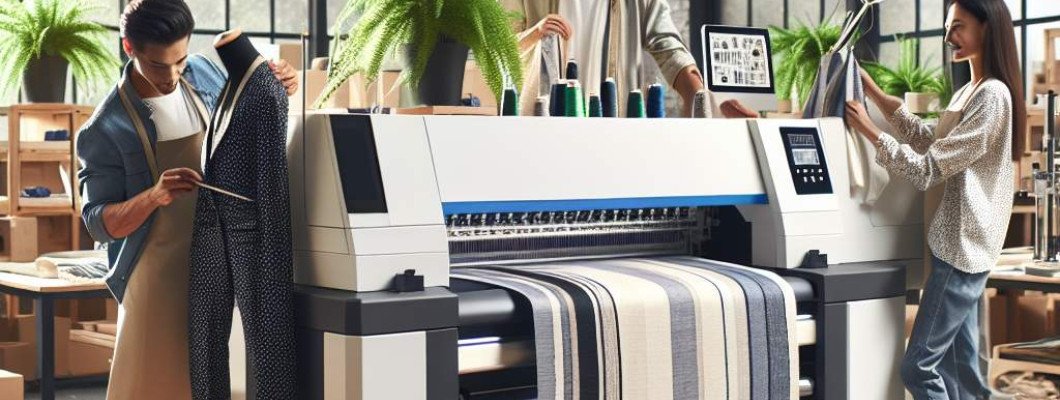
Are you passionate about sustainable fashion but unsure how some brands manage to produce eco-friendly collections without sacrificing quality or creativity? If yes, then understanding how eco-conscious fashion labels are experimenting with small-batch runs enabled by modern cloth printer technology could be a game-changer for your brand or wardrobe.
Over the past few years, the fashion industry has shifted significantly toward sustainability, driven by consumer demand for transparency and environmentally responsible manufacturing. Traditional mass production often results in excess inventory, waste, and a significant carbon footprint. Modern cloth printer technology, however, is transforming this landscape by making small-batch production not only viable but also practical for brands committed to eco-consciousness.
Why Small-Batch Runs Matter for Sustainability
Small-batch manufacturing allows brands to produce limited quantities of each design, which directly reduces waste. When you"re not overproducing, fewer unsold items end up in landfills—helping to address the environmental issues linked to fast fashion. This approach also gives brands the flexibility to quickly adapt to trends, customer preferences, or seasonal changes, without risking large unsold inventories.
By blending these small-batch runs with modern cloth printer technology, labels can create highly customized, short-run collections that cater to niche markets or sustainable fashion enthusiasts. This practice fosters a more responsible production cycle, promotes creativity, and significantly diminishes waste. Imagine a brand that can print on-demand, just in time for a new season or trend, minimizing inventory costs and environmental impact—all thanks to innovative printing solutions.
The Role of Modern Cloth Printer Technology in Sustainable Fashion
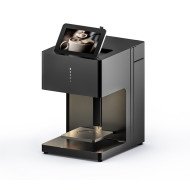
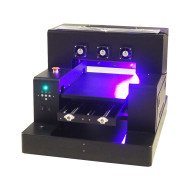
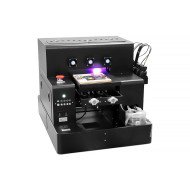
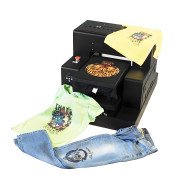
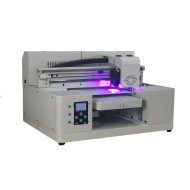
Advanced cloth printers, like those offered by GNFEI, are revolutionizing how brands produce apparel. These printers enable:
- High-quality, full-color branding and designs, directly on fabric—reducing the need for multiple production steps.
- On-demand production capabilities, meaning items are printed only when customers order them.
- Rapid turnaround times, allowing brands to produce small batches quickly and efficiently.
- Eco-friendly inks and processes that minimize water use and chemical waste.
Imagine saving hundreds of liters of water and avoiding hazardous chemicals typically used in traditional dyeing and printing processes. Modern cloth printers utilize water-based inks and digital processes, which are not only more sustainable but also produce vibrant, durable designs on various fabrics. These advantages make small-batch runs not only environmentally sound but also economically viable, opening doors for boutique brands and startups to make a mark in the eco-conscious niche.
Case Studies: Brands Leading the Way
Several innovative brands are already leveraging this technology to create eco-friendly collections. For example, a small streetwear label dedicated to sustainability uses digital printers to produce limited editions, adapting designs based on seasonal trends and customer feedback. This approach reduces waste, cuts production costs, and enhances brand loyalty among eco-minded consumers.
A friend who runs a boutique explained how they switched from bulk screen printing to on-demand cloth printing. This shift allowed them to test new designs without fear of excess inventory, respond rapidly to eco trends, and appeal to environmentally conscious shoppers. His brand now reports significantly less waste and higher customer satisfaction. This real-world example highlights the value-add of integrating modern cloth printer technology in small-batch runs.
Implementing Small-Batch Runs with Cloth Printer Technology
If you're a designer or brand owner ready to adopt this approach, consider the following steps:
- Partner with a reliable cloth printer that offers eco-friendly inks and digital printing options. Review their capabilities to meet your design needs.
- Optimize your design process for digital printing—simplify artwork, choose durable yet eco-friendly inks, and plan for flexible production schedules.
- Adjust your supply chain to support on-demand printing, including integrating e-commerce platforms for seamless order fulfillment.
- Market your collections emphasizing sustainability and limited-edition exclusivity to attract eco-conscious customers.
In addition, educating consumers about how small-batch, digitally printed clothing minimizes waste and environmental impact can boost your brand's credibility. Explaining your eco-conscious practices fosters trust and loyalty among a growing demographic committed to sustainable choices.
Emerging Trends and Future Outlook
As technology continues to evolve, expect even more sustainable innovations in digital and cloth printing. Advances in biodegradable inks, faster printing speeds, and AI-driven design customization will further empower brands to produce eco-friendly collections efficiently at scale. The trend of small-batch runs, backed by modern printing, is likely to become a standard model for pioneering fashion labels dedicated to planetary health.
In this landscape, brands that embrace these tools and methodologies will gain a competitive edge—offering consumers premium products that reflect their values. The marriage of sustainability and technology is shaping a new era where fashion is both innovative and responsible.
Frequently Asked Questions
- How sustainable is digital cloth printing compared to traditional methods?
Digital cloth printing minimizes water and chemical use, reduces waste, and produces less pollution overall, making it significantly more sustainable than traditional dyeing and screen printing.
- Can small-batch printing meet high-volume demands?
While primarily designed for small runs, advances in printing technology are making faster turnaround times possible, which can support larger orders with proper planning.
- What types of fabrics are compatible with digital printing?
Most natural and synthetic fabrics like cotton, polyester, bamboo, and blends are compatible, but it's important to verify fabric compatibility with your chosen printer.
- How does on-demand printing affect inventory costs?
It significantly reduces inventory costs by eliminating excess stock, allowing brands to produce only what has been sold or ordered.
- Is digital printing quality comparable to traditional screen printing?
Modern digital printers produce vibrant, durable designs comparable to traditional methods, with the added benefit of faster, more flexible production.




Leave a Comment