
Eco-conscious designers unlock niche markets with water-based dtg printer systems
Eco-conscious Designers Unlock Niche Markets with Water-Based DTG Printer Systems
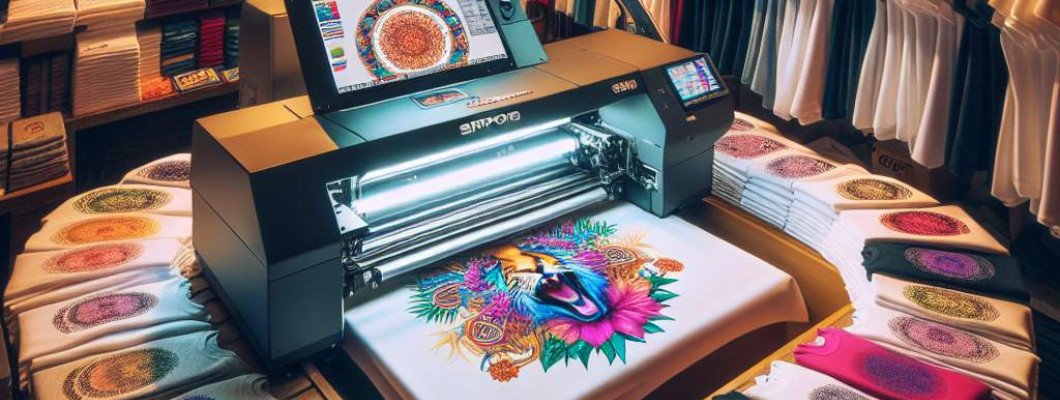
In today's fashion industry, sustainability is no longer just a trend—it's a necessity. Eco-conscious designers are leading the charge towards environmentally responsible manufacturing methods, and one technology at the forefront of this movement is water-based Direct-to-Garment (DTG) printing. This innovative approach allows designers to produce vibrant, high-quality apparel while minimizing environmental impact. By adopting water-based DTG printer systems, creative entrepreneurs can access niche markets eager for eco-friendly products, positioning themselves as pioneers in sustainable fashion.
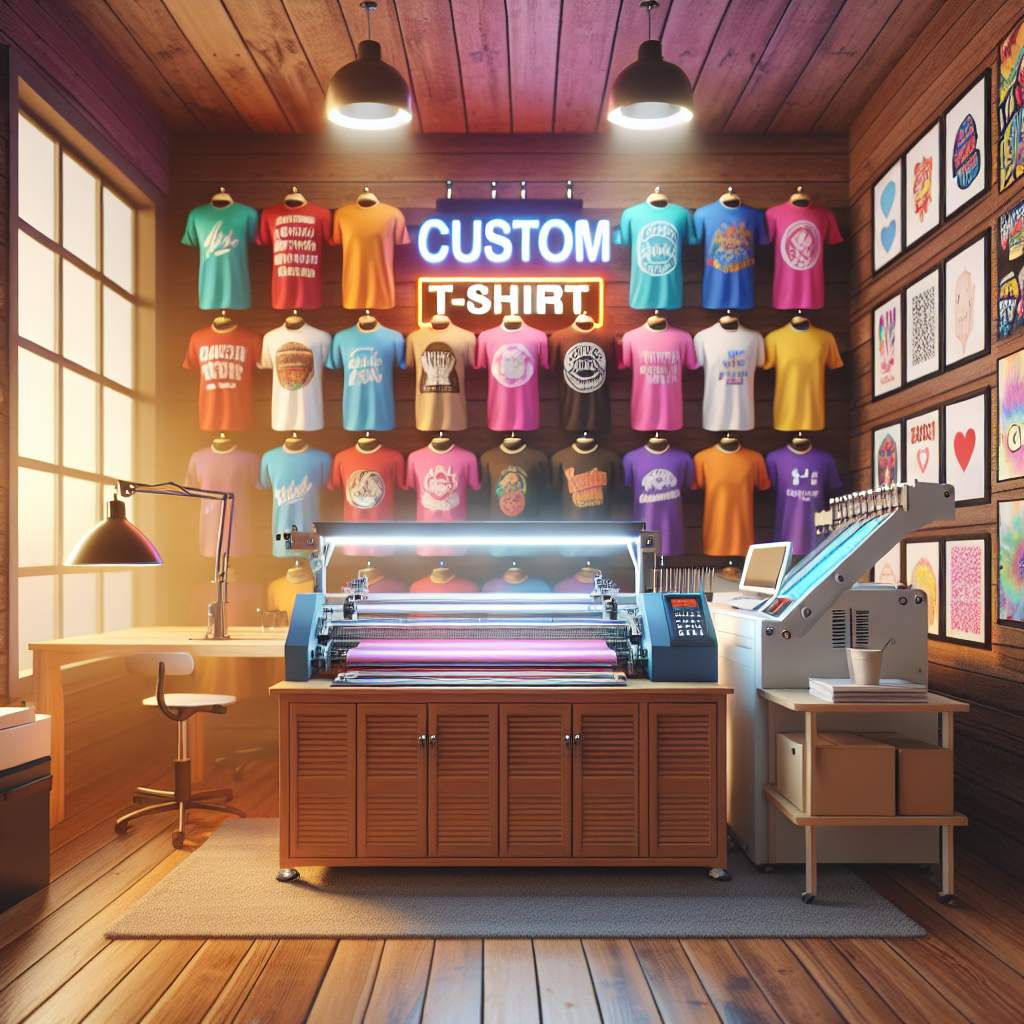
Traditional printing methods, such as plastisol inks, have long been associated with environmental concerns, including the use of hazardous chemicals and significant waste generation. Water-based inks, however, offer a greener alternative. These inks are derived from natural and eco-friendly components, reducing VOC emissions and making the entire printing process safer for both workers and consumers. For designers committed to sustainability, choosing water-based DTG systems aligns brand values with environmentally conscious production. Moreover, these systems enable the creation of intricate designs with a soft hand feel, satisfying consumers seeking both style and sustainability.
One of the key advantages of water-based DTG printers is their ability to produce detailed, vibrant images on various fabric types. This flexibility opens doors to niche markets such as organic apparel, eco-friendly streetwear, and custom sustainable fashion. As consumers become more aware of environmental issues, they are increasingly willing to pay premium prices for products that align with their values. By leveraging water-based DTG technology, designers can differentiate their brands in a crowded marketplace and build loyalty among eco-conscious buyers. This not only boosts profits but also establishes the brand as a responsible leader in sustainable fashion.
In addition to environmental benefits, water-based DTG printers offer operational advantages. They typically require less maintenance and produce less waste compared to traditional ink systems. This reduces overall production costs and streamlines workflows, making them an attractive investment for small to medium-sized enterprises. Furthermore, the ability to produce short runs with quick turnaround times is vital for niche markets that thrive on limited edition releases and personalized products. This agility allows designers to test new designs rapidly and respond to market trends, ensuring relevance in a fast-paced industry.
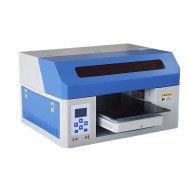
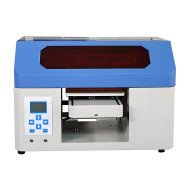
For designers exploring the transition to sustainable printing, choosing the right water-based DTG printer is crucial. The A3 DTG Printer by GNF Efi exemplifies cutting-edge technology suited for eco-conscious brands. Its advanced ink delivery system, compatibility with water-based inks, and user-friendly interface make it an ideal choice for those committed to sustainability and high-quality output. Investing in reliable equipment ensures consistent results, reduces downtime, and enhances your brand's reputation as an eco-friendly innovator.
How Water-Based DTG Printing Empowers Niche Market Growth
Understanding the power of niche markets is essential for any designer aiming to expand their reach sustainably. These specialized segments—such as vegan fashion, yoga wear, or handcrafted boutique apparel—are driven by consumer desire for authenticity and environmental responsibility. Water-based DTG printers enable craft-oriented brands to produce limited editions with intricate designs, eco-friendly dyes, and superior quality. As a result, brands can effectively cater to these specific audiences, fostering a loyal customer base that values sustainability as much as style. This strategic alignment not only elevates brand image but also promotes ecological responsibility within the fashion industry.
Challenges and Opportunities in Eco-Friendly Digital Printing
While the benefits are substantial, transitioning to water-based DTG technology also presents challenges. Some concerns include initial equipment costs, specific maintenance requirements, and the need for operator training. However, these challenges are offset by long-term advantages such as reduced consumables, lower waste disposal costs, and openness to eco-conscious consumers. As awareness around environmental issues continues to grow, the market for sustainable apparel is expanding rapidly. Early adopters who invest in water-based DTG systems position themselves as industry leaders and tap into lucrative niche markets that value ethical production. Education and partnership with reliable equipment providers can ease the transition and maximize returns.
The Future of Eco-Friendly Fashion
Looking ahead, eco-conscious designers will play a pivotal role in shaping the future of the fashion industry. Continuous improvements in water-based ink formulations, printer efficiency, and recycling practices will make sustainable digital printing more accessible and cost-effective. Additionally, certifications and eco-labels will help consumers identify and support brands that prioritize environmental responsibility. Embracing water-based DTG technology underscores a commitment to innovation, quality, and sustainability—all key drivers behind consumer loyalty and brand value. For designers eager to make an impact, integrating eco-friendly printing systems today ensures they remain ahead in this evolving landscape.
In conclusion, water-based DTG printer systems are more than just a technological upgrade—they are a strategic tool for eco-conscious designers aiming to unlock niche markets and promote sustainable fashion. By adopting this eco-friendly printing method, brands can produce high-quality, vibrant designs that resonate with environmentally aware consumers. The combination of environmental benefits, operational efficiencies, and market differentiation makes water-based DTG systems a wise investment for the future of sustainable apparel. Whether you are launching a new eco-conscious brand or transforming your existing line, embracing water-based digital printing is a step toward a greener, more innovative industry.














Leave a Comment