
DTG vs. Screen Printing: The Definitive Cost and Quality Breakdown for Startups
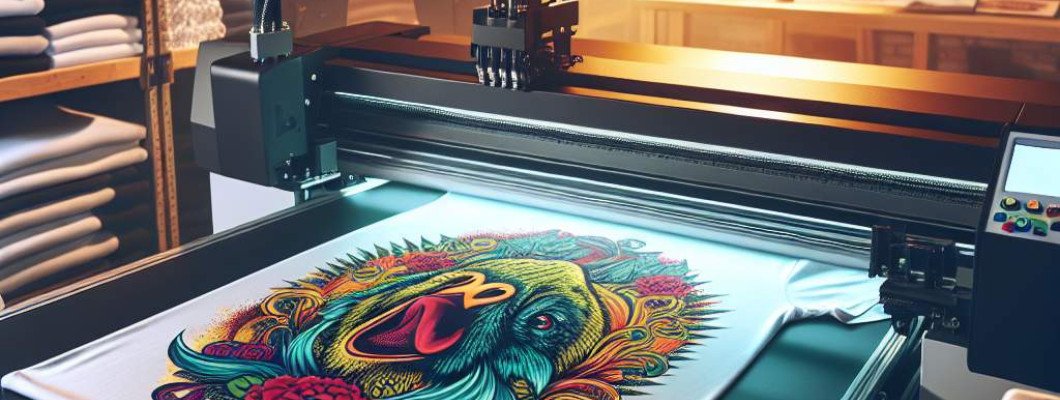
Struggling to choose between DTG and screen printing for your startup? You"re not alone. Starting a custom apparel business means making a lot of decisions, and one of the biggest is how to print your designs. Both DTG (Direct-to-Garment) and screen printing have their fans — but which one is right for you? Let"s break down the costs, quality, and practical differences so you can make an informed choice.
Understanding the Basics: DTG vs. Screen Printing
What is DTG Printing?
DTG, or Direct-to-Garment printing, is like using a giant inkjet printer right on fabric. It sprays ink directly onto the shirt, allowing for detailed and colorful designs. The process is quick and perfect for full-color images or limited runs.
What is Screen Printing?
Screen printing involves pushing ink through a mesh screen onto fabric. Each color needs its own screen, which makes it great for bold designs with fewer colors. It"s known for high volume runs and durability.
Cost Breakdown: Which Fits Your Budget?
Initial Setup Costs
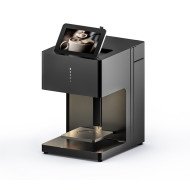
- DTG: You"ll need a good DTG printer (like the A3 DTG Printer). The costs range from $10,000 to $20,000 depending on the model. Setup is faster, but the machine isn"t cheap.
- Screen Printing: The main cost is making screens. A basic setup might cost $1,000-$3,000. For small runs, this is relatively cheap, but the screens need to be made for each design.
So, if you plan to print a small batch or different designs often, DTG's higher upfront investment might pay off. But for larger runs of the same design, screen printing saves you money over time.
Per-Item Cost
- DTG: The cost per shirt is usually lower for small runs — often under $10. It"s cost-effective for fashion brands with frequent design changes.
- Screen Printing: Per shirt costs decrease with volume — roughly $3-$5 per shirt for large orders. However, small batches might cost more per piece.
In essence, DTG is more economical for small-order customization, while screen printing scales well for big batches.
Quality & Durability: What Should You Expect?
Print Quality & Detail
DTG offers incredibly detailed images and full-color designs that look vibrant. It"s perfect for photos or complex artwork. However, sometimes subtle color gradients might not look as smooth, depending on the printer and ink quality.
Color Brightness & Consistency
Screen printing tends to produce brighter, more opaque colors that pop. The inks are thicker, so the print feels more solid and can last longer.
If you want a vintage or bold look, screen printing"s thick ink coverage offers that classic feel. For detailed images or multi-color designs, DTG excels.
Durability & Longevity
Both methods produce durable prints, but screen printing generally lasts longer, especially after multiple washes. That"s why it"s popular for sports jerseys and merchandise expected to see lots of wear.
Speed & Scalability: How Fast Can You Grow?
Production Speed
DTG shines with short runs and fast turnarounds. You can print a handful of shirts in a matter of minutes, making it ideal for small businesses testing the waters.
Screen printing takes longer upfront due to screen creation but can produce hundreds of shirts in a single session once set up. It"s the go-to for bulk orders.
Ease of Setup
Setting up a DTG printer is simpler and less labor-intensive. Just load your design and print. No screens to fix or prepare. It"s flexible if your design changes often.
Screen printing setup involves making screens, which can take hours for each new design. It"s less flexible for quick changes but more cost-efficient for large orders.
Environmental Impact & Sustainability
Both methods have environmental considerations. DTG uses water-based inks, which are generally eco-friendlier. Screen printing inks vary—solvent-based inks can be harsher.
If sustainability is part of your brand, look for eco-friendly inks and processes. DTG"s water-based inks are a plus.
Real-Life Example: Picking the Right Print Method
I chatted with a friend launching a streetwear line. She was torn — she needed colorful, detailed designs but also wanted small batches initially. She ended up using DTG for her first collections because of low setup costs and quick turnaround. Once her brand grew, she shifted to screen printing for larger, repeat batches because of the better per-shirt price and durability. That flexibility helped her manage costs and quality without overcommitting early on.
Where to Find the Best Equipment?
If you"re leaning toward DTG, check out the A3 DTG Printer. It"s reliable, easy to use, and perfect for startups.
FAQs
- Which printing method is better for detailed images? DTG is generally better for complex, multi-color designs with fine details.
- Can I switch from DTG to screen printing later? Yes, many brands start with DTG and move to screen printing as they scale up.
- How long do printed shirts last? Both methods produce long-lasting prints, but screen printing tends to hold up longer after repeated washes.
- Is one method more eco-friendly? DTG uses water-based inks, usually making it more sustainable, but always check specific suppliers.
- What"s the best choice if I want quick turnaround for small orders? DTG offers faster setup and printing, ideal for small or custom runs.
Choosing the right printing method for your startup comes down to your specific needs: volume, design complexity, budget, and growth plans. Both DTG and screen printing have their strengths. Think about where you want to go, and pick what helps you get there fastest and most efficiently. Ready to start? Check out the A3 DTG Printer to kick off your journey in custom apparel printing.











Leave a Comment