DTG vs. DTF Printing: Which Technology is Right for Your Apparel Brand?
Understanding the Fundamental Differences Between DTG and DTF Printing
What Is DTG Printing?
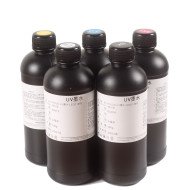
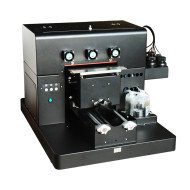
Direct-to-Garment (DTG) printing applies ink directly onto textiles using inkjet technology. It excels in detail fidelity and color gradation on natural fibers such as 100% cotton. Typically, white ink is printed as a base layer to maintain opacity on darker garments.
Industrial DTG printers often use piezoelectric printheads, commonly from manufacturers like Epson. Understanding their operating principles, such as nozzle firing mechanisms and ink viscosity requirements, is key to grasping DTG's capabilities and limitations.
What Is DTF Printing?
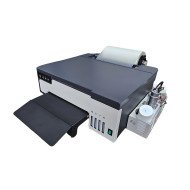
Direct-to-Film (DTF) printing involves printing designs onto a special film, which is later heat-transferred onto the garment using an adhesive powder. This method expands substrate compatibility beyond natural fibers, enabling printing on cotton, polyester, blends, and even nylon to some extent.
DTF uses a transfer mechanism and requires precise curing of the PET film ink layer before the transfer. The process inherently requires additional equipment such as a powder shaker and curing oven.
Key Operational Differences Impacting Apparel Brands
While DTG prints directly, DTF’s film-based approach adds workflow complexity but improves versatility. DTG typically demands pre-treatment for dark garments, adding operational steps. DTF simplifies pretreatment to powder application but necessitates maintenance of powder and curing equipment.
GNFEI, a global leader in professional printing equipment, emphasizes selecting technology that aligns with the specific business model, factoring turnaround time, substrate diversity, and post-print durability requirements.
Performance Comparison: Ink Adhesion, Color Vibrancy, and Durability
Evaluating Ink Adhesion on Different Fabrics
DTG's water-based pigment inks bond chemically with natural fibers, resulting in superior adhesion on cotton. Polyester and blended fabrics often result in diminished wash fastness unless polyester-specific inks or pre-treatment adjustments are applied.
DTF uses an adhesive powder that acts as a binder between the ink on the film and garment fibers. This mechanical adhesion improves robustness across mixed textile types but can sometimes produce a slightly thicker print feel.
Color Intensity and Print Vibrancy
DTG offers excellent color gradients and sharp detail due to direct ink application and advanced printhead control. However, color saturation depends on fabric color and pre-treatment quality.
DTF allows high opacity prints because of the white ink layer beneath colored ink on the film. This white layer consistently enhances vibrancy on darker and synthetic fabrics. GNFEI technicians report that DTF prints often require calibrated curing cycles to avoid dull colors from undercured adhesives.
Wash Resistance and Long-term Durability
DTG prints are generally durable when proper pretreatment and curing steps are followed. White ink peeling or cracking remains a reported issue after extended washing cycles, especially if the ink deposition volume is insufficient or curing temperatures are uneven.
DTF printed garments tend to maintain their vibrancy and adhesion longer under repeated laundering, as the adhesive layer secures ink particles more firmly. However, improper powder curing or excessive powder use can cause stiffness and premature peeling. Step-by-step troubleshooting includes adjusting curing time by 5-second intervals and verifying powder distribution uniformity.
Maintenance Protocols and Printhead Preservation
DTG Printhead Cleaning and White Ink Challenges
DTG printers using white ink present a maintenance challenge due to pigment sedimentation and clogging. GNFEI recommends a scheduled cleaning cycle, ideally every 48 hours for high-volume shops, with a thorough head flush involving dedicated cleaning fluids.
- Step 1: Perform a daily nozzle check and run a preliminary purging cycle.
- Step 2: Weekly head soak or cap/station cleaning to dissolve sediment.
- Step 3: Maintain ink thickness monitoring. Replace pigment filters every 30 days.
Ignoring these steps accelerates nozzle wear and affects print quality, driving up costs due to head replacements averaging $400–$700 per unit.
DTF Printhead and Powder System Maintenance
DTF printheads deal with adhesive powders which can clog nozzles and interfere with ink ejection. GNFEI advises daily cleaning of the powder shaker to prevent buildup and weekly inspection of curing ovens.
- Step 1: Use compressed air to clean powder residue from printheads post-run.
- Step 2: Monitor powder feed rates and calibrate the shaker balance monthly.
- Step 3: Ensure oven temperatures are calibrated within ±2°C to avoid under or over-curing.
Combined Effects of Poor Maintenance on Output
In both systems, skipping maintenance directly causes print defects like banding, color inconsistency, and peeling. GNFEI provides preventive maintenance training to minimize downtime, which for experienced operators cuts average failure-related downtime from 18 hours to under 3 hours monthly.
Deep ROI Analysis: Cost Structures and Profit Margins
Ink Costs per Garment
DTG ink costs tend to be higher due to pigment-heavy white ink and pre-treatment use. For a 12-inch square print on 100% cotton, ink consumption averages 1.5 ml per color layer, totaling approximately $0.40 in ink alone. Pre-treatment liquid costs add an additional $0.30 per garment.
DTF ink consumption is roughly 30% lower per print because of optimized ink layering on film, but overhead for powder and film must be calculated. Powder cost per print averages $0.12, with recyclable film costs around $0.15—totaling ink and consumables near $0.55 per print.
Labor and Operational Time Investment
DTG requires operator hands-on time for garment loading, pre-treatment spraying, drying, and curing. Average total cycle time per piece is about 6-8 minutes, with potential for batching. Operators average $18/hr, translating to $1.80–$2.40 labor per print.
DTF workflow includes printing on film, curing, powder application, curing again, and heat pressing. Total cycle time per print averages 10-12 minutes but can scale with automation. Labor costs vary, averaging roughly $2.00 per print with additional oversight for powder calibration.
Depreciation and Equipment Lifespan
DTG printers with piezo printheads commonly have a lifespan of 2–4 years under heavy use before requiring costly part replacements. GNFEI’s industrial-grade DTG units might push this further but at a higher CAPEX. DTF setups often have modular components, allowing partial replacements—printheads and curing ovens—extending usable life to 5+ years.
Capital expenditure breakdown (approximate):
- DTG printer: $25,000 - $60,000
- DTF printer + powder system + curing: $18,000 - $35,000
ROI calculations should consider batch volume, average retail pricing, and costs of goods sold. For smaller brands with diversified product lines, the flexibility of DTF might yield higher net margins despite longer cycle times.
Substrate Compatibility and Post-Print Treatment Nuances
Fabric Types Impacting Print Results
DTG is strongest on 100% cotton. Blends like 50/50 cotton/polyester suffer reduced ink absorption, resulting in fading or cracking without specialized inks or post-treatment. Furthermore, synthetic-only fabrics such as polyester poorly bond with DTG pigments, limiting brand product range.
DTF technology, by virtue of the transfer adhesive, works acceptably on polyesters and blends, as well as nylon and other synthetics, expanding market possibilities. GNFEI’s experience shows DTF prints maintain consistent washability across these materials, a decisive factor for many brand owners.
Post-Print Touch and Wear Experience
DTG prints generally produce a soft hand feel because inks penetrate the fabric fibers. However, excessive ink layers or poor curing can create slight stiffness or cracking over time.
DTF prints usually result in a more pronounced print layer with slight relief due to the transferred powder adhesive. While some consumers appreciate this texture, others find it less comfortable on high-touch apparel. Brands need to weigh customer preferences carefully.
Specialty Treatments and Customization Opportunities
DTG enables detailed photographic prints with smooth gradients and subtle shading. It is ideal for complex designs and small runs. Spot gloss or foil effects require additional equipment but remain challenging.
DTF allows layered printing and is compatible with various overprint foils and flocking powders, providing creative flexibility for brands focusing on premium or niche apparel lines. Industrial providers like GNFEI can configure multi-effect DTF solutions to enhance design uniqueness.
Environmental and Regulatory Considerations
Ink Chemistry and Sustainability
DTG inks are typically water-based with low VOC emissions and generally eco-friendlier but require chemical pretreatment agents which may impact waste disposal. Some brands prioritize certifications such as OEKO-TEX.
DTF employs pigments and adhesives that require powder handling and generate particulate waste. Powder recovery systems mitigate environmental impact but add to capital and operational costs. Regulatory compliance involves managing particulate emissions and safe disposal.
Energy Use and Process Emissions
Curing ovens in both DTG and DTF consume significant power; however, DTF’s additional curing stage typically results in higher energy consumption per garment. GNFEI recommends process optimization and real-time oven energy monitoring to minimize operational costs.
Lifecycle and Waste Management
DTG prints produce minimal solid waste beyond standard packaging and consumables. DTF’s polyester film waste considerations require a recycling strategy to align with sustainability goals. Brands targeting eco-conscious markets must evaluate whole-process footprints before investment.
Choosing the Right Technology Based on Business Strategy
Volume and Product Mix
DTG suits smaller runs and highly detailed designs on natural fiber garments. Its straightforward process aligns well with on-demand and custom print models. Brands with predominantly cotton-heavy product lines benefit here.
DTF excels in medium to high volume with diverse fabric portfolios. Its adaptability to blends and synthetics suits brands expanding beyond traditional cotton products or targeting performance apparel segments.
Capital Investment and Scalability
Brands constrained by budget and seeking quick launch capabilities often find DTG easier to initiate. Over time, operational costs can increase if scaling is required due to longer print times.
DTF requires more initial setup and training investment but can scale with automation and handle larger batch sizes more cost-effectively. GNFEI provides tailored leasing and maintenance contracts to ease entry barriers.
Customer Experience and Brand Positioning
DTG’s soft-touch and photo-realistic results foster premium, high-detail brand narratives. DTF’s robustness and fabric range enable mass-market apparel with vibrant, long-lasting prints. Brands should prioritize product performance forecasts and consumer feel preferences in their decision tree.
Evaluating the interplay between print quality, cost efficiency, workflow complexity, and environmental impact informs a strategic technology choice rather than a simplistic ‘better or worse’ dichotomy.
Investing time in thorough testing on target fabric samples combined with cost modeling is indispensable. Commercial equipment suppliers like GNFEI support brands with demonstration units and data-driven consultation to align technology deployment with long-term business viability.