DTG T Shirt Printer Machine Owners Are Losing Thousands by Ignoring This Overlooked Maintenance Issue
DTG T Shirt Printer Machine Owners Are Losing Thousands by Ignoring This Overlooked Maintenance Issue
In today’s fast-paced garment printing industry, the dtg t shirt printer machine has rapidly gained momentum as the go-to solution for vibrant, high-resolution t-shirt printing with no minimum order quantities. Yet, many owners are unknowingly allowing poor maintenance practices to wreak havoc on their machines, costing them thousands in repair expenses, production delays, and lost revenue. This article dives into the most frequently neglected aspect of DTG printer maintenance, why it impacts your bottom line, and how to avoid these common yet costly mistakes.
Whether you’re a seasoned print shop owner or a new entrant in the custom-apparel business, adhering to routine servicing protocols can mean the difference between seamless profitability and an operational nightmare. Read on to uncover advanced insights into maintaining your DTG t shirt printer machine for optimal performance and output.
Understanding How a DTG T Shirt Printer Machine Works
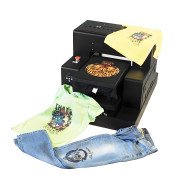
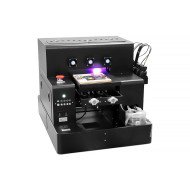
The DTG (Direct-to-Garment) printing process uses inkjet technology to spray water-based textile inks directly onto a fabric’s surface. Unlike traditional screen printing, which requires meticulous stencil preparation, the dtg t shirt printer machine offers unparalleled convenience by allowing custom designs, small-batch orders, and quick turnaround times. But what makes this innovation so prone to maintenance issues?
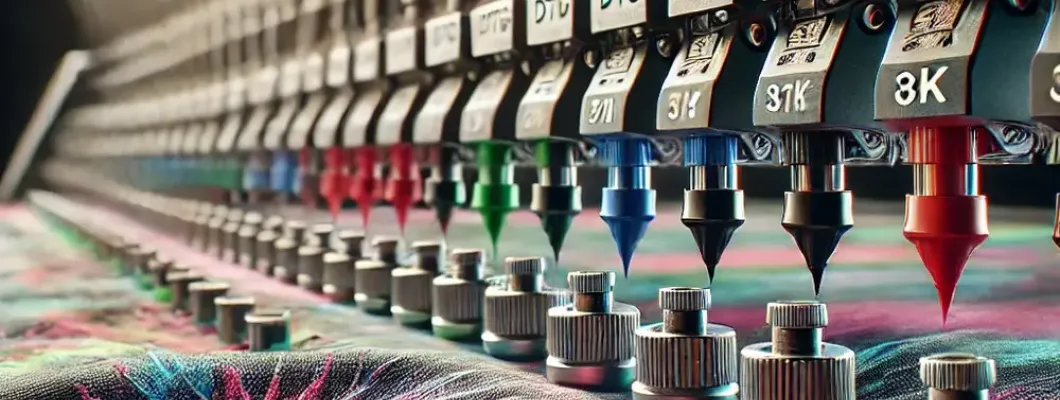
- Micro-Piezo Print Heads: These are the heart of a DTG machine, delivering precision ink placement. However, they can clog easily if proper care isn’t taken.
- Pre-Treatment Components: The pre-treatment of garments ensures ink adherence, but mismanaging the spray system often leads to irregular prints and ink wastage.
- Operational Humidity: A DTG t shirt printer machine performs best in controlled environments. Excessive dryness or moisture can severely impact print quality and machine longevity.
The Cost of Neglect: What Happens When Maintenance Is Ignored?
Dismissing regular maintenance for your dtg t shirt printer machine can cascade into several problems that are not only frustrating to resolve but can also drain your profits. Some key issues include:
1. Clogged Print Heads
Failing to run daily cleaning cycles or operate the printer regularly can result in ink drying inside the nozzles. This clogging not only wastes ink but also requires costly replacements or extensive servicing. Print head repairs can cost up to 30% of the machine’s total price—an expense that consistent maintenance could avoid.
2. Pre-Treatment Inconsistencies
Most operators overlook calibrating the pre-treatment process. Uneven or inconsistent pre-treatment layers can cause patchy designs or ink bleeding, which translates into costly reprints and wasted garments.
3. Ink Waste and Color Fading
Sub-optimal calibration of your DTG machine can increase ink usage by nearly 20%. Additionally, neglecting the cleaning of white ink lines—which are particularly prone to blockages—could result in poorly rendered color fidelity.
Proactive Maintenance Steps for Your DTG T Shirt Printer Machine
Ensuring your dtg t shirt printer machine operates at peak performance requires a combination of daily, weekly, and monthly maintenance tasks. Here’s a detailed breakdown of what you should be doing and why it matters:
Daily Maintenance Tasks
Dedicate a few minutes at the end of each workday to these essential steps:
- Run Cleaning Cycles: This prevents ink from drying in the print heads, minimizing the risk of expensive clogs.
- Wipe Down the Capping Station: Keep the capping station free of dried ink to ensure a proper seal with the print heads.
- Inspect Nozzle Checks: Running a nozzle check alerts you to any inconsistencies in ink flow early, allowing for targeted adjustments.
Weekly Maintenance Tasks
- Flush Ink Lines: White ink, in particular, is notorious for settling and thickening inside lines. Regular flushing minimizes waste and keeps ink flow consistent.
- Pre-Treatment Spray Unit Cleaning: Prevent build-up in the spray nozzles to maintain uniform pre-treatment application.
- Software Updates: Check for firmware or RIP software updates that optimize your DTG printer’s operation.
Monthly Maintenance Tasks
- Replace Maintenance Consumables: Items like wiper blades and filters should be swapped out on a monthly basis to avoid wear-induced inefficiencies.
- Humidity and Temperature Check: Ensure your workspace meets the ideal environmental conditions (typically 40-60% humidity at a temperature of 18-25°C).
- Perform Deep Cleaning: This includes cleaning under the print plate, replacing ink cartridges as needed, and conducting full-system diagnostics.
ROI Analysis: How Proper Maintenance Boosts Profitability
Every hour of downtime for your DTG t shirt printer machine equates to missed revenue and frustrated customers. Conversely, a well-maintained machine yields the following business advantages:
- Extended Lifespan: With consistent care, your DTG printer could last 7-10 years, outliving poorly maintained counterparts by several years.
- Reduced Operational Costs: Fewer repair needs, reduced ink waste, and longer-lasting parts translate into significant savings.
- Faster Production Times: Well-maintained machines run at their highest capacity, enabling you to fulfill orders quicker and improve customer satisfaction.
Factoring in these benefits, it becomes evident that rigorous maintenance isn’t just a technical necessity—it’s a financial imperative.
Expert Verdict on dtg t shirt printer machine Investment
As the apparel printing industry grows, so does the demand for cutting-edge DTG technology. Owning a dtg t shirt printer machine offers a gateway to premium print quality, complex design capabilities, and impressive ROI for large-scale operations or boutique print shops. However, its exceptional capacity can only be maximized when paired with diligent, routine upkeep.
Ignoring maintenance might seem like an insignificant oversight, but repairing neglected components often leads to downtime, frustrated clients, and expensive service bills. On the other hand, by implementing a structured maintenance schedule, you not only protect your investment but also ensure seamless operations, reduced costs, and higher profits over time.