
DTG Printing Industry Responds to Global Shift Toward Digital Transformation in Textile Sector

DTG Printing Industry Responds to Global Shift Toward Digital Transformation in Textile Sector
The textile industry is undergoing a remarkable transformation driven by rapid technological advances and changing consumer demands. Among these innovations, Direct-to-Garment (DTG) printing has emerged as a game-changer, enabling brands and manufacturers to produce high-quality, customized apparel with unprecedented efficiency. As the world leans toward digital solutions, the DTG printing industry is actively adapting to this global shift, integrating cutting-edge technology to revolutionize textile production processes. This revolutionary change not only enhances printing quality and speed but also significantly reduces environmental impact, aligning with the growing push for sustainable manufacturing practices.
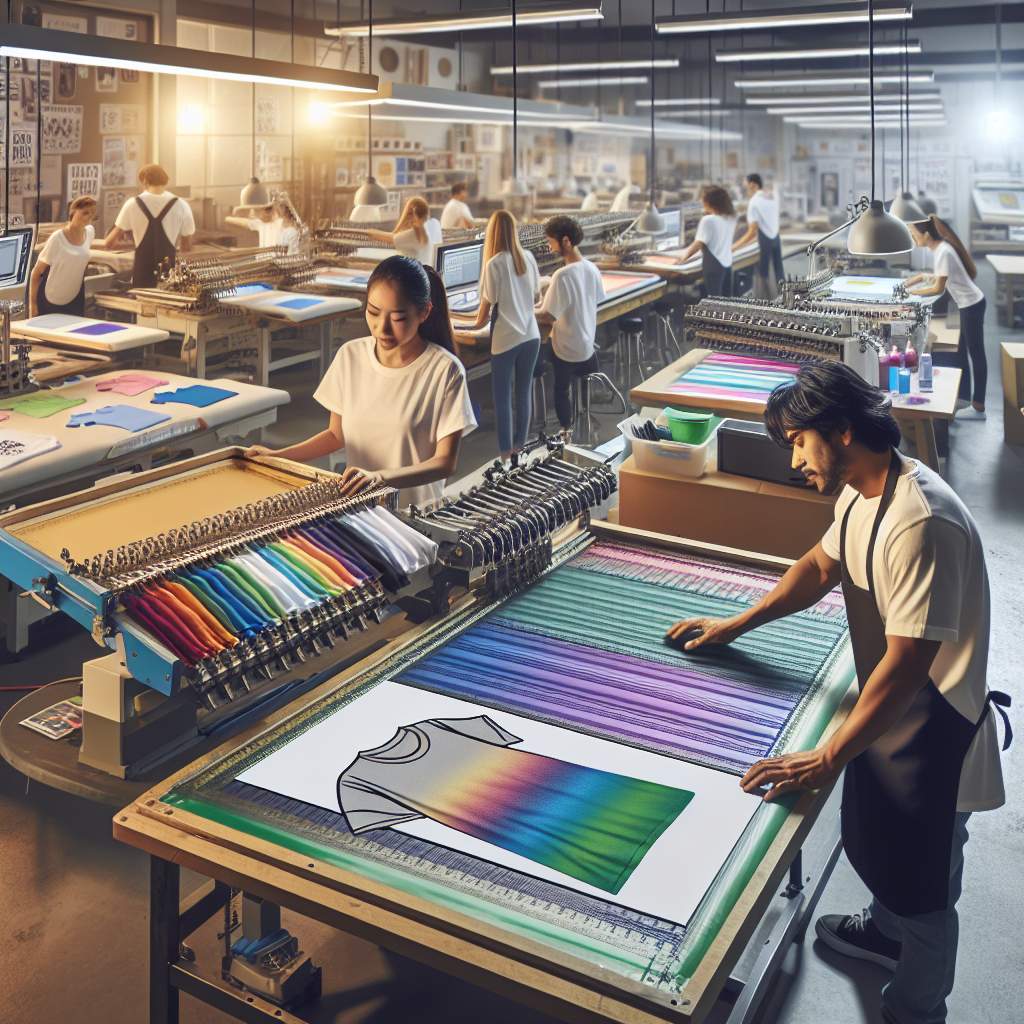
Over the past decade, digital transformation has been a catalyst for change across various industries, and textiles are no exception. Traditional printing methods like screen printing and heat transfer have served the industry for years, but they often involve longer lead times, higher costs, and larger minimum order quantities. In contrast, DTG printing offers a flexible, on-demand production model that caters to the increasing demand for personalized fashion, promotional items, and small batch runs. This shift toward digitization has empowered designers, small businesses, and large brands alike to innovate rapidly and respond swiftly to market trends. Consequently, the industry is witnessing a surge in investment in advanced DTG printers and digital workflow solutions.
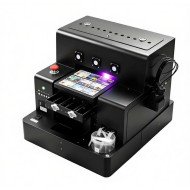
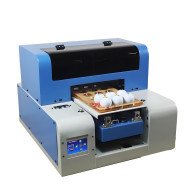
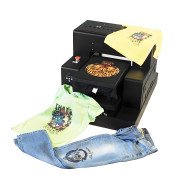
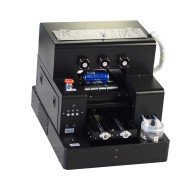
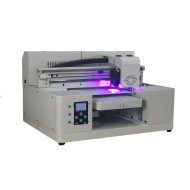
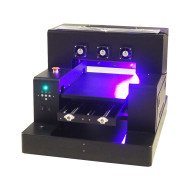
One of the driving factors behind this digital revolution is the development of sophisticated DTG printers that can handle complex designs with vibrant colors and fine details. For example, models like the A3 DTG Printer exemplify the leap forward in print technology, combining high-resolution output with fast turnaround times. These machines utilize advanced inkjet technology optimized for textiles, ensuring durability and washability while maintaining eco-friendly ink formulations. As a result, manufacturers can produce top-quality garments that meet stringent sustainability standards, which is increasingly important to environmentally conscious consumers worldwide.
The integration of digital technology in textile production extends beyond printing. It involves the entire workflow, from design creation to final output. Digital design tools enable intricate artwork that can be easily modified and customized, fostering a culture of personalization. Moreover, cloud-based management systems facilitate seamless order processing, inventory control, and real-time monitoring of production status. This holistic digital approach streamlines operations, reduces waste, and minimizes lead times—key factors in an industry that is driven by fast fashion and instant gratification. As more companies adopt these solutions, the industry is witnessing a paradigm shift towards smarter, more sustainable manufacturing models.
Furthermore, the global COVID-19 pandemic accelerated the adoption of digital solutions by forcing manufacturers to rethink traditional production models. Smaller batch sizes, on-demand printing, and e-commerce integration became essential for survival and growth. The crisis highlighted the importance of flexible, adaptable textile manufacturing processes, catalyzing investments in state-of-the-art DTG printers and digital workflow infrastructure. As a result, industries in regions like Asia, North America, and Europe are now leading the charge in digital innovation, with manufacturers eager to maintain their competitive edge by offering faster turnaround times and high-quality, customizable products.
Environmental sustainability is another critical aspect driving the industry's digital transformation. Traditional textile printing techniques often involve excessive water usage, chemical-intensive inks, and waste generation. Conversely, modern DTG printing uses water-based, eco-friendly inks that are safer for workers and the environment. Additionally, digital printing reduces material waste, as it allows for precise application without the need for extensive setup or excess screens. This alignment with sustainable practices has garnered support from eco-conscious brands and consumers alike, pushing the industry toward more responsible manufacturing standards. These advances exemplify how digital transformation can simultaneously enhance quality and sustainability.
Another significant development is the rise of automation and artificial intelligence (AI) in textile manufacturing. Automated calibration, color matching, and quality control systems are now common, reducing human error and increasing consistency. AI algorithms can analyze design feasibility, optimize ink usage, and predict maintenance needs, further enhancing overall efficiency. Such innovations not only lower production costs but also enable manufacturers to meet tight deadlines without compromising quality. As AI-powered solutions become more accessible, small and medium-sized enterprises can now compete globally, fostering a more dynamic and innovative textile market.
The future of the DTG printing industry appears promising, with ongoing research into new inks, materials, and printhead technologies that promise even greater color vibrancy, durability, and speed. Industry leaders are investing heavily in R&D to develop printers capable of printing on a broader range of fabrics, including polyester blends, leather, and sustainable textiles. This expansion will open new markets and applications, such as home furnishings, medical textiles, and technical apparel. Furthermore, integration with digital supply chain solutions will strengthen just-in-time production, minimizing excess inventory and further reducing environmental footprint. Overall, the industry"s response to the global shift toward digital transformation illustrates a resilient, innovative sector poised for sustained growth.
In conclusion, the DTG printing industry is at the forefront of a broader digital revolution sweeping the textile sector. By embracing advanced printing technologies, automating workflows, and prioritizing sustainability, manufacturers are better equipped to meet evolving consumer expectations and environmental standards. The ongoing innovations provide exciting opportunities for designers, brands, and factories worldwide to stay competitive, agile, and responsible. For those seeking top-tier DTG printing solutions, the A3 DTG Printer exemplifies the cutting-edge capabilities that are shaping the industry's future. As digital transformation continues to accelerate, the textile sector will undoubtedly become more dynamic, personalized, and sustainable than ever before.






Leave a Comment