
DTG Printers vs. Screen Printing: What the 2025 Market Data Reveals
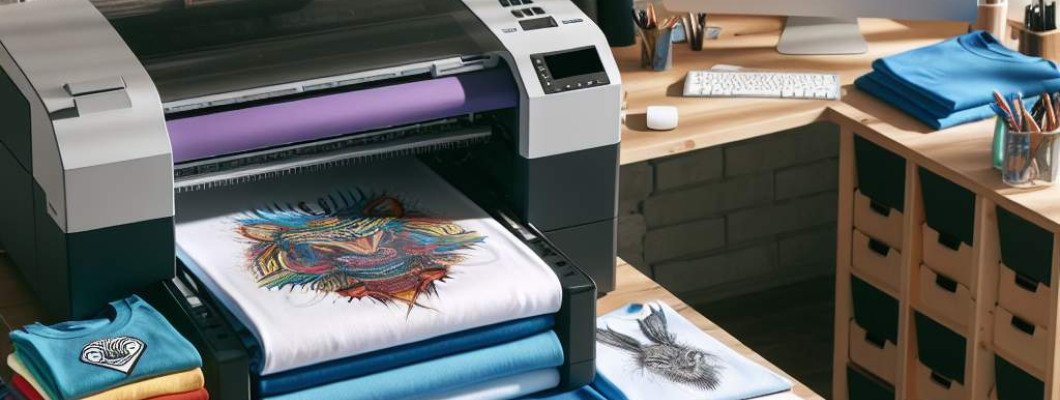
As the printing industry continues to evolve rapidly, two technologies have taken center stage for producing vibrant, high-quality garments: Direct-to-Garment (DTG) printing and traditional screen printing. With advancements in digital printing and a shifting market landscape, understanding the current and forecasted trends for 2025 is crucial for small businesses, large manufacturers, and entrepreneurs looking to stay competitive. In this comprehensive analysis, we"ll compare DTG printers and screen printing, revealing what the latest 2025 market data indicates about their growth, efficiency, and long-term viability. The insights presented here will help you make informed decisions about your printing investments and operational strategies.
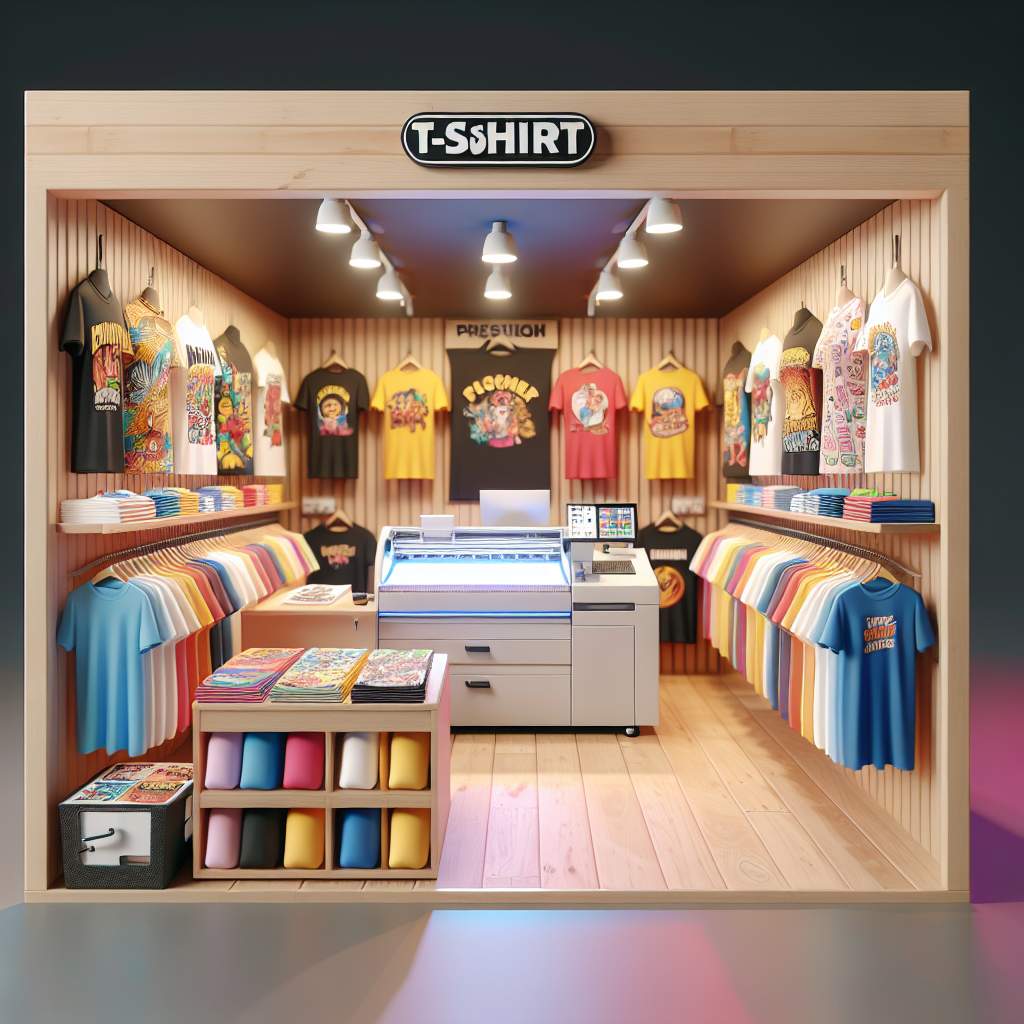
Understanding DTG Printing and Screen Printing
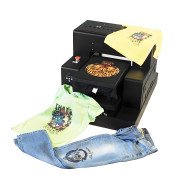
DTG printing is a method that directly applies water-based ink onto textiles using specialized inkjet technology. It offers high-resolution, full-color prints with intricate detail, making it ideal for small runs, personalized designs, and complex artwork. Its digital nature means shorter setup times and less waste, appealing to businesses prioritizing customization and rapid turnaround.
Conversely, screen printing relies on creating stencils—screens—that apply ink onto fabric in layers. This traditional method is known for its durability, cost-effectiveness for large runs, and vibrant colors, especially on bulk orders. Screen printing has been the industry standard for decades, but it involves longer setup times and is less flexible when it comes to quick changes or small batches.
Market Trends and Data for 2025
Recent industry reports and market surveys forecast significant shifts in the printing landscape by 2025. A key focus is on technological adoption, with digital printing methods like DTG expanding rapidly due to their flexibility and ability to handle complex, full-color designs effortlessly. According to data from market research firms, the DTG segment is expected to grow at a compound annual growth rate (CAGR) of approximately 10% over the next two years, reflecting its increasing popularity among small to medium-sized enterprises and custom apparel brands.
In contrast, traditional screen printing is projected to experience a more modest growth rate, around 3-4% annually, primarily driven by its cost advantages for bulk production and established manufacturing infrastructure. However, the market data suggests a decreasing trend in new investments in screen printing equipment, favoring digital solutions that align with current consumer demand for personalized products. These insights reveal a pivot in the industry"s focus toward more flexible, digital manufacturing methods.
Technology Adoption and Industry Preferences
One of the most notable trends is the increasing adoption of DTG printers for small batch, on-demand, and customization-heavy orders. As e-commerce and direct-to-consumer brands grow, the ability to produce small quantity, high-quality prints quickly is invaluable. The 2025 data indicates that nearly 65% of new apparel printing investments are directed toward DTG equipment, highlighting its dominant role in future market expansion.
Meanwhile, screen printing still holds significant ground when it comes to high-volume orders, especially for apparel companies producing large quantities of identical items. Its cost per unit decreases substantially with volume, making it favorable for sports teams, promotional products, and fashion brands with steady demand. Despite this, the initial investment and setup time make it less appealing for small-scale, fast-turnaround projects. Industry forecasts show a gradual decline in new screen printing facility openings, favoring digital solutions.
Environmental Impact and Sustainability
Sustainability is a critical concern in the printing industry. DTG printers employ water-based, eco-friendly inks that produce less waste and have a lower carbon footprint compared to traditional methods. According to 2025 market research, the adoption of environmentally sustainable printing practices is expected to surge, with over 70% of new investments going into digital printers that prioritize eco-conscious inks and processes.
Screen printing, while traditionally resource-intensive—requiring chemical emulsions, large amounts of water, and energy—has seen innovations such as water-based inks and waste reduction techniques. Nonetheless, it remains less sustainable overall, which could limit its growth prospects in environmentally conscious markets. Companies aiming to enhance their green credentials will likely favor digital printing solutions in the coming years.
Cost Analysis and Investment Considerations
Starting costs and operational expenses are vital in choosing between DTG and screen printing. DTG printers involve a higher initial investment, often ranging from $15,000 to $50,000 for quality models, but they offer lower per-print costs and shorter setup times. As the market data indicates, the growing demand for customized, small batch production supports a trend of increased investment in DTG technology as a cost-effective solution over time.
Screen printing, on the other hand, has a lower barrier to entry with equipment costs often under $10,000, especially for basic setups. Its cost efficiency becomes apparent at large-scale productions, where the per-unit cost drops significantly. However, the costs associated with screens, inks, and manual labor can accumulate, particularly if quick turnaround and flexibility are required. Industry forecasts suggest that smaller firms may increasingly shift their investments toward digital solutions like DTG to stay agile and responsive.
Future Outlook and Strategic Recommendations
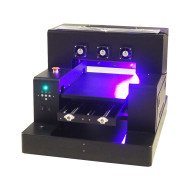
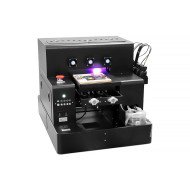
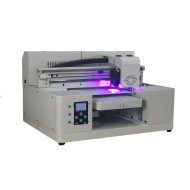
Based on the projected data for 2025, it"s clear that digital printing, led by DTG technology, will be the dominant force shaping the apparel and textile printing industries. Its advantages—speed, customization, quality, and environmental benefits—align well with evolving consumer preferences and industry standards. Businesses looking to future-proof their operations should consider investing in high-quality DTG printers. Learn more about our latest offerings at Gnfei DTG printers.
However, for high-volume, standardized production runs, traditional screen printing remains relevant and cost-effective. Companies should evaluate their production scale, customization needs, and sustainability goals to choose the most suitable method. A hybrid approach, integrating both digital and traditional techniques, could provide maximum flexibility and efficiency in a competitive market.
In conclusion, the 2025 market data clearly shows a shift towards digital printing methods, with DTG leading the way due to its adaptability and alignment with modern consumer demands. Staying ahead in this dynamic landscape will require investments in technology, sustainable practices, and strategies that leverage the strengths of both printing methods. Embracing the digital transformation now can provide a significant advantage as the industry moves forward.




Leave a Comment