
DTG Printer vs DTF Printing: Which Technology is Right for Your Business?

DTG Printer vs DTF Printing: Which Technology is Right for Your Business?
Understanding the Core Differences Between DTG and DTF
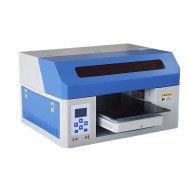
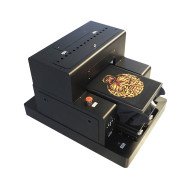
At its foundation, the choice between Direct-to-Garment (DTG) and Direct-to-Film (DTF) printing comes down to how each method applies ink and the substrates they are best suited for. DTG printers, such as those utilising Epson print heads like the XP600, TX800, or L805, are designed to print directly onto textiles. These printers work seamlessly with pre-treated fabrics, delivering exceptional colour accuracy and a soft hand feel. The heart of DTG lies in its reliance on water-based pigment inks, which are absorbed into the fibres of the garment, making it ideal for cotton and cotton-blend materials.
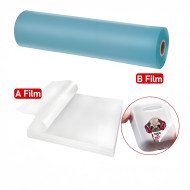
On the other hand, DTF printing involves printing a design onto a special PET film, which is then transferred to a garment using heat and pressure. This process often uses print heads such as the Epson i3200 for precision and durability. Unlike DTG, DTF is not limited to cotton; it works effectively on a wide range of fabrics, including polyester, nylon, and even leather. Additionally, the adhesive powder applied during the DTF process ensures the design adheres firmly to the fabric, offering strong wash durability and flexibility for custom printing businesses seeking versatility.
While both technologies use RIP software like AcroRIP and Maintop to manage colour profiles and print settings, DTF often requires additional steps such as powder curing. This adds complexity but expands the range of applications. Deciding between these technologies depends on your target market, production volume, and fabric types you plan to work with. DTG excels in high-end, soft-feel cotton prints, whereas DTF shines in multi-fabric, cost-effective versatility.
Hardware Considerations: Print Heads, Durability, and Ink Systems
One of the most critical factors when comparing DTG and DTF printers is the hardware. DTG printers often utilise piezoelectric print heads such as the Epson L805, which are known for precision and smooth ink delivery. High-end models like the TX800 and i3200 offer even greater resolution and speed, making them suitable for detailed designs and large production runs. DTF printers, in contrast, frequently incorporate the XP600 or i3200 print heads, which are optimised for the thicker and more viscous inks used in DTF printing. These print heads are also designed to handle the additional wear caused by adhesive powders and curing processes.
Durability is another key consideration. Look for printers with features like linear guide rails and ball screws for enhanced mechanical stability. These components ensure smoother movement of the print head, reducing vibration and improving print quality over time. An advanced ink circulation system is particularly important for white ink, which has a tendency to settle and clog. Many DTG and DTF printers come equipped with automated circulation systems to keep the ink in motion, minimising downtime and maintenance costs.
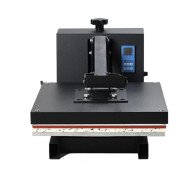
UV LED curing power is another differentiator, especially in DTF workflows. While DTG relies on heat presses for curing, DTF may require additional UV curing equipment to set the adhesive powder. This can increase initial setup costs but offers the advantage of faster curing times and improved durability for the printed designs. If you’re considering DTF, ensure your chosen printer and curing unit are compatible to achieve optimal results without compromising on quality.
Cost Analysis: Initial Investment and Long-Term Maintenance
When comparing DTG and DTF printing, the initial investment and ongoing maintenance costs are critical to evaluate. Entry-level DTG printers like the Epson L805 are often more affordable and straightforward to operate, making them suitable for smaller businesses or startups. However, high-end DTG printers with advanced features and multiple print heads can significantly increase the upfront cost. DTF printers, while generally more affordable initially, require additional investments in PET films, adhesive powders, and curing units, which can offset the lower printer cost.
Consumables also play a significant role in cost considerations. DTG ink, especially white ink, is known to be expensive and requires careful storage and maintenance to avoid clogs. DTF inks and adhesive powders are often more cost-effective per print, but the additional material requirements and curing processes can add to the operational complexity. When calculating costs, it’s essential to factor in the price of consumables, expected yield per litre of ink, and the number of prints per roll of PET film.
Maintenance is another aspect to consider. DTG printers require regular cleaning of the print heads and capping stations to prevent clogs, especially if white ink is used frequently. DTF printers also need maintenance, particularly in the film handling and powder application areas, to ensure consistent quality. Both technologies benefit from automated cleaning and ink circulation systems, which can save significant time and reduce the risk of costly repairs.
Choosing the Right Technology for Your Business
Your decision between DTG and DTF ultimately hinges on your business model and customer base. If your primary focus is on high-quality, soft-feel prints on cotton garments, DTG printing with a machine like the TX800 or L805 would be an excellent choice. It’s particularly well-suited for businesses targeting premium markets or specialising in custom T-shirts for small to medium orders. Furthermore, DTG's minimal setup time and straightforward operation make it ideal for on-demand printing services.
Conversely, if your business demands versatility across a broader range of materials, DTF printing may be the better option. With its ability to print on polyester, synthetic blends, and even hard-to-print surfaces, DTF expands your product offerings significantly. The process is especially advantageous for producing bulk orders with consistent quality, making it a go-to choice for promotional products, sportswear, and workwear businesses. The XP600 and i3200 print heads ensure crisp image quality and reliable performance, even for complex designs.
Before committing to either technology, it’s wise to evaluate your current customer base and projected growth. Consider factors like the types of materials you plan to print on, the volume of orders you expect, and your willingness to invest in maintenance and consumables. It’s also worth discussing your needs with a trusted supplier who can provide guidance on the best equipment for your specific application. At GNFEI, we’re here to help custom printing businesses like yours make informed decisions. Feel free to reach out to our team for tailored advice and support.











Leave a Comment