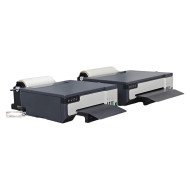
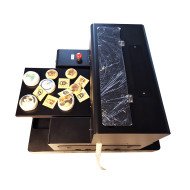
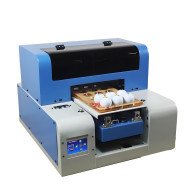
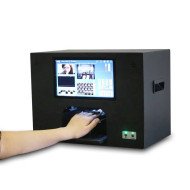
DTG printer technology eliminates traditional screen printing bottlenecks.
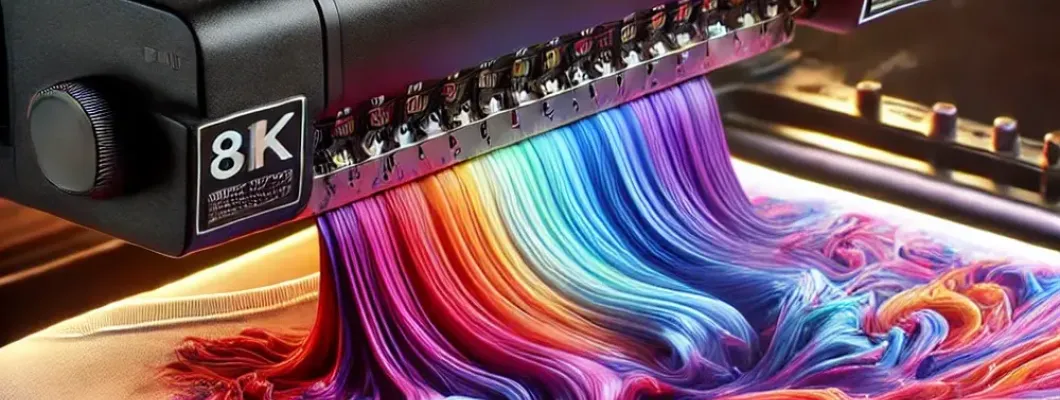
DTG printer technology eliminates traditional screen printing bottlenecks.
What is a DTG Printer? Understanding the Technology
A DTG printer, or Direct-to-Garment printer, revolutionizes textile printing by enabling high-definition, full-color designs to be printed directly onto fabrics. Unlike traditional screen printing, which requires meticulous setup with screens and stencils, DTG printers bypass the bottlenecks by operating digitally. This makes them ideal for businesses that need versatility without compromising on precision or efficiency.
Using inkjet technology adapted for apparel, DTG printers deliver vibrant, durable prints that adhere impeccably to cotton-rich textiles. Whether printing custom t-shirts, hoodies, or tote bags, the process allows for on-demand production without the minimum order restrictions typically required in screen printing workflows.
Advantages of DTG Printer Technology Over Screen Printing
DTG technology is rapidly replacing traditional printing methods in the garment industry. Here’s why:
- Cost Efficiency: Screen printing demands investment in stencils and labor, leading to higher costs for custom designs or short runs. A DTG printer eliminates these expenses, offering scalable printing at a lower cost per unit.
- Unmatched Color Fidelity: DTG printers utilize CMYK and white ink combinations, allowing for photographic precision. Traditional screen printing struggles with complex gradients and multi-color artwork.
- Environmental Benefits: DTG printing minimizes ink waste as designs are applied directly, unlike screen printing which involves excess ink usage and cleaning chemicals.
- Speed and Flexibility: The digital interface in DTG technology allows operators to switch between designs instantly. This enables quick turnaround times, perfect for businesses catering to e-commerce or custom orders.
Industrial Durability of DTG Printers
Modern DTG printers, particularly those built by leading manufacturers like GNFEI TECHNOLOGY, are engineered for industrial use. Designed with robust steel frames, these machines withstand continuous operation while delivering unparalleled printing accuracy. Key enhancements include:
- Automatic Maintenance Systems: Advanced DTG models feature self-cleaning mechanisms and ink circulation systems to maintain peak performance with reduced upkeep.
- Laser Height Adjustment: Integrated sensors detect garment thickness, ensuring optimal ink application regardless of fabric type.
- Longevity: GNFEI’s DTG printers, with high wear-resistant parts, consistently perform for years with minimal downtime.
DTG Printer ROI: A Cost-Benefit Analysis
Investing in a DTG printer has proven to be a profitable decision for many businesses. Here’s a simplified breakdown of why:
- Low Initial Setup Costs: Unlike screen printing, DTG printers require no frames or stencils, saving up to 30% in setup expenses.
- Per Unit Printing Costs: DTG printing typically costs $1-$3 per garment for ink, versus $5+ for traditional screen printing.
- Profit Margins: Custom-printed garments sell at premium prices. For instance, a printed t-shirt made for $4 can retail between $25 to $35.
- Scalability: DTG printers allow businesses to scale with fluctuating demand. Smaller orders incur no premium costs, enabling businesses to maintain profitability across various order sizes.
Applications: How Businesses Leverage DTG Printers
From custom t-shirt startups to large-scale textile manufacturers, DTG printers are finding niches across multiple industries:
- E-Commerce Personalization: Online stores leverage DTG technology for one-off or small-batch custom designs, catering to individualized customer requests.
- Promotional Merchandise: DTG printers enable short-run high-margin printing of branded apparel for corporate events, giveaways, or marketing campaigns.
- Diverse Textile Printing: Beyond t-shirts, DTG printers are increasingly used for hoodies, tote bags, pillowcases, and even shoes.
Choosing the Right DTG Printer for Your Business
Finding the best DTG printer requires evaluating your specific production needs. Here are key considerations:
- Production Volume: Smaller models suit boutique businesses, while industrial DTG printers with larger platen sizes are ideal for high-volume manufacturers.
- Color Handling: Machines like GNFEI’s A3 DTG printer offer superior ink color blending for intricate multi-toned designs.
- Maintenance Features: Look for automated cleaning systems and ink flow regulation to simplify machine upkeep.
- Warranty: A solid warranty, such as GNFEI’s extended coverage, ensures you’re protected against potential production disruptions.
Future Trends in DTG Printer Technology
The DTG printer industry is consistently advancing, and businesses are poised to benefit from several developing trends:
- Hybrid Printing Systems: DTG printers combined with Direct-to-Film (DTF) capabilities are increasingly available, enhancing print versatility.
- Eco-Friendly Inks: Manufacturers are focusing on water-based inks to make DTG printing greener and more sustainable.
- Increased Automation: Newer models integrate AI for heightened print accuracy and reduced manual intervention.
Expert Verdict on DTG Printer Investment
A DTG printer is more than a printing device—it's a business growth tool. The technology’s unmatched efficiency, precision, and scalability position it as a top choice for any entrepreneur or enterprise looking to innovate in textile printing. By choosing reliable, high-performing models like GNFEI's A3 DTG printer, you can elevate your production process while unlocking lucrative profit margins.