DTG printer machine reliability depends entirely on proper maintenance routines
DTG printer machine reliability depends entirely on proper maintenance routines
For any business operating with a dtg printer machine, ensuring its consistent performance boils down to one critical factor: proper maintenance. While DTG printers are celebrated for their ability to produce vibrant designs on fabric with unparalleled precision, neglecting routine upkeep can lead to reduced print quality, higher operational costs, and unscheduled downtimes. In this guide, we will explore essential maintenance practices, enhanced ROI strategies for garment manufacturers, and how a well-cared-for DTG printer machine can elevate your business output to professional standards.
Understanding the Core Mechanisms of a DTG Printer Machine
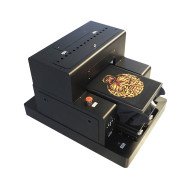
Before diving into maintenance procedures, it's crucial to understand how a DTG printer machine works. A DTG printer, or direct-to-garment printer, utilizes inkjet technology to apply specialized textile inks directly to fabric. This advanced printing process enables the machine to create detailed graphics, intricate gradients, and photo-realistic designs on garments, making it an ideal solution for custom apparel businesses.
The core components of DTG printer machines include:
- Print Head: The heart of the machine, responsible for precision inkjet application.
- Platen: A flatbed component that holds your garment securely in place during printing.
- Ink System: A complex system managing CMYK and white inks to produce high-quality prints.
- Pre-Treatment Application: A crucial step for applying white ink to dark fabrics, ensuring sharp and durable designs.
Each of these components requires routine care and strategic operator knowledge to deliver superior results for every job.
Why Proper Maintenance is Essential for DTG Printer Machine Performance
The high-performance potential of a DTG printer machine comes with a responsibility: diligent maintenance ensures the longevity of your machine while reducing operational expenses. Let’s break down the key reasons maintenance is indispensable:
1. Preserving Print Head Longevity
The print head is the most critical (and costly) component of any DTG printer machine. Since it dispenses minuscule droplets of ink onto fabric, even minor blockages can disrupt the print quality. Regular maintenance, including nozzle checks and head cleanings, prevents ink clogs and ensures consistent results, especially during peak production times.
2. Optimizing Color Accuracy and Ink Management
Inconsistent ink flow or expired ink can lead to patchy colors and design discrepancies. DTG machines rely on a harmonious balance between CMYK and white ink to create vibrant, detailed prints. Cleaning ink lines, using fresh ink, and properly flushing the system during downtime are imperative for maximum color accuracy.
3. Preventing Mechanical Failures
Neglecting daily and periodic maintenance can result in worn-out platens, misaligned garments, and mechanical breakdowns. These issues not only sacrifice fabric precision but could also halt production entirely. By scheduling planned maintenance, businesses can minimize unplanned interruptions and safeguard their revenue streams.
Daily, Weekly, and Monthly Maintenance Checklist for Your DTG Printer Machine
To keep your DTG printer machine in peak condition, adhere to the following maintenance schedule:
Daily Maintenance Tasks
- Run a nozzle check before starting any print job to ensure proper ink flow.
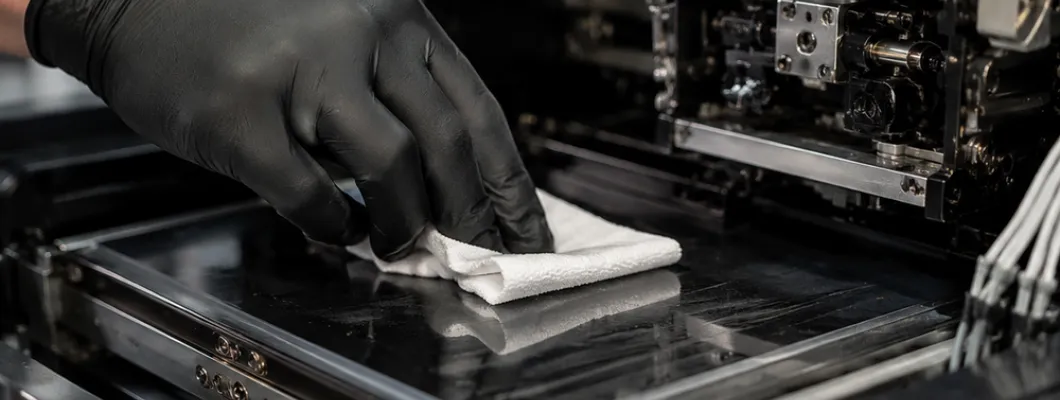
- Wipe the print head with a lint-free cloth and an approved cleaning solution to remove excess ink build-up.
- Shake white ink cartridges daily to prevent settling and crystallization.
- Inspect the platen for lint, debris, or residue that may interfere with garment positioning.
Weekly Maintenance Tasks
- Flush the ink lines with cleaning fluid to remove any clog-prone residue.
- Calibrate the print head alignment to ensure precise image placement on garments.
- Vacuum or wipe down the machine's internal and external surfaces to maintain a dust-free environment.
Monthly Maintenance Tasks
- Perform a full system cleaning, including the ink tanks, lines, and capping stations.
- Update the printer’s firmware to benefit from new features and bug fixes released by the manufacturer.
- Evaluate the platen’s condition and replace it if it no longer secures garments evenly.
How to Maximize ROI with Your DTG Printer Machine
Investing in a DTG printer machine isn’t just about acquiring cutting-edge equipment; it’s about how well that equipment integrates into your operations to drive profitability. Here are actionable strategies to maximize ROI with your DTG machine:
1. Streamline Your Workflow
A well-maintained printer reduces downtime, ensuring consistent production capabilities. Consider using automated pre-treatment machines and conveyor dryers to enhance your efficiency further.
2. Leverage Diverse Print Capabilities
Take advantage of your DTG printer machine’s ability to print on a variety of mediums, including cotton, polyester blends, hoodies, and tote bags. Expanding your product range increases sales opportunities.
3. Reduce Ink Waste
Using high-quality textile-specific inks and practicing proper storage techniques minimizes waste and operational costs. Pre-treat garments uniformly to reduce excess white ink application when printing on dark fabrics.
4. Upskill Operators
Train staff on advanced maintenance techniques and software functions of your DTG printer. Skilled operators improve machine usage and minimize common printing errors.
The Future of Your DTG Printer Machine with GNFEI Technology
GNFEI Technology, a leader in industrial printing solutions, offers a range of high-performance DTG printers that cater to businesses of all sizes. Whether you’re a small business owner exploring garment printing or an enterprise scaling up production, GNFEI’s DTG machines provide reliability, precision, and return on investment.
By integrating regular maintenance practices into your operations and leveraging the advanced features of GNFEI’s cutting-edge DTG printer machines, your business can achieve scalable growth and consistently deliver premium products to your clients.