
DTG Printer Complete Guide 2026: How It Works, What It Prints & Which Machine to Buy
What Is a DTG Printer?
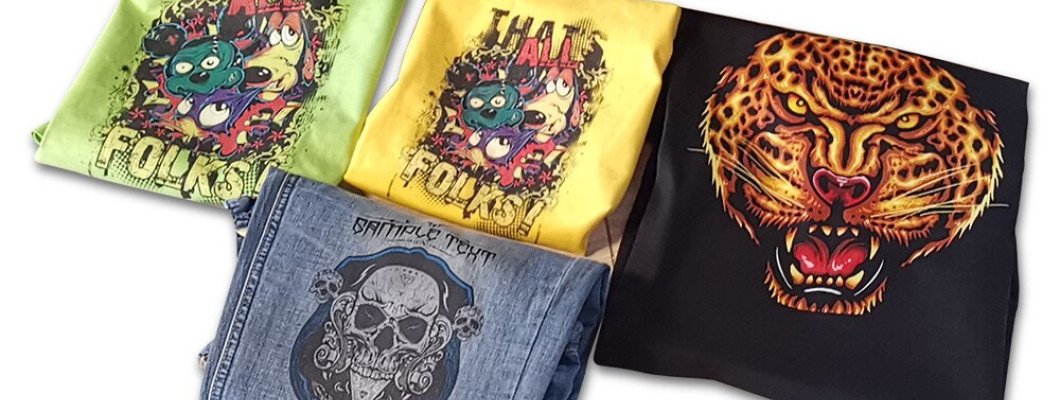
A DTG (Direct-to-Garment) printer works like a regular inkjet printer — but instead of paper, it prints directly onto fabric. DTG technology uses water-based inks that bond with the fibers of the garment, producing vibrant, full-color prints that wash well and last for years.
Unlike screen printing, DTG requires no setup fees, no minimum orders, and can reproduce photographic-quality images in minutes. It is the go-to solution for custom t-shirt businesses, print-on-demand services, and anyone who needs short-run garment printing.
How Does DTG Printing Work?
The DTG printing process involves four key steps:
1. Pretreatment
For dark or colored garments, a pretreatment solution is applied first. This solution helps the white ink adhere properly and ensures the final colors pop. Light-colored or white garments typically skip this step.
2. Loading the Garment
The garment is loaded flat onto the printer platen — a flat board that holds the fabric taut during printing. Correct positioning is critical for print accuracy.
3. Printing
The print head moves across the garment, depositing ink layer by layer. Most DTG printers use CMYK color channels plus a dedicated white ink channel for dark fabrics. A standard A3 DTG print takes 3–8 minutes depending on design complexity.
4. Curing
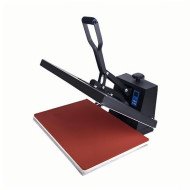
After printing, the garment goes through a heat press or conveyor dryer to cure the ink permanently. This step bonds the ink to the fabric fibers and ensures wash durability.
What Fabrics Work Best with DTG?
- 100% cotton — The gold standard. Cotton absorbs water-based inks beautifully, producing sharp lines and vivid colors.
- Cotton-polyester blends (80/20 or higher cotton) — Works well, though colors may appear slightly less vivid than on pure cotton.
- Organic cotton & bamboo blends — Increasingly popular as eco-conscious customers demand sustainable apparel options.
High-polyester fabrics (above 50% polyester) are not ideal for DTG — for those, DTF or sublimation printing typically produces better results.
DTG vs DTF: Which Is Better for Your Business?
| Feature | DTG Printer | DTF Printer |
|---|---|---|
| Best fabric | 100% cotton | Any fabric including polyester |
| Pretreatment needed | Yes (dark garments) | Not required |
| Minimum order | 1 piece | 1 piece |
| Print durability | Excellent on cotton | Excellent on all fabrics |
| Print area | A4 / A3 / A2 | Roll (unlimited length) |
If your customers primarily order 100% cotton t-shirts, DTG is hard to beat. If you print on polyester sportswear, caps, or bags, DTF offers more flexibility.
What to Look for When Buying a DTG Printer
Print Area
Most small businesses start with an A3 DTG printer (29.7 x 42 cm), which covers a standard adult front or back chest print. For oversized prints on hoodies or tote bags, consider an A2 DTG printer.
White Ink Performance
White ink is the most technically demanding aspect of DTG printing. Look for a machine with an effective white ink recirculation system to prevent clogging and maintain consistent opacity on dark garments.
Auto Maintenance System
Machines with automated daily head cleaning and flushing cycles significantly reduce maintenance burden and downtime — essential for a profitable business operation.
Factory-Direct Pricing
Buying factory-direct typically saves 20–40% compared to local resellers, and comes with direct technical support from the manufacturer engineering team.
GNFEI DTG Printer Lineup
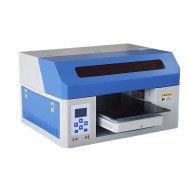
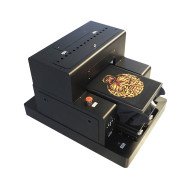
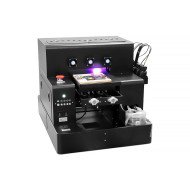
- A3 DTG Printer F85G3 — Ideal for startups and print shops. Vibrant full-color on cotton with white + CMYK ink, auto maintenance, industrial print head.
- A2 DTG Printer — Large-format for oversized prints on t-shirts, hoodies, and tote bags.
- A4 DTG Printer — Compact entry-level machine for small designs and limited workspace.
All GNFEI DTG printers ship factory-direct with full technical support and worldwide shipping. View the full DTG printer range
Is a DTG Printer Worth It for a Small Business?
Yes — if you regularly print custom garments in small quantities (1–50 pieces per order), a DTG printer pays for itself quickly. Unlike screen printing, there is no minimum order and no setup cost per design. Many small businesses recoup their investment within 3–6 months of consistent operation.
An A3 DTG printer running efficiently can produce 20–40 finished prints per hour. The key is a streamlined workflow: pretreatment, print, cure, quality check, ship.











Leave a Comment