
DTF Transfers vs. Screen Printing: Which Is Better for Short Runs?
DTF Transfers vs. Screen Printing: Which Is Better for Short Runs?
When it comes to customizing apparel and creating eye-catching designs, choosing the right printing method is essential—particularly for short production runs. Two popular options are Direct-to-Film (DTF) transfers and traditional screen printing. Each method has its own unique advantages and challenges, making it crucial to understand which one aligns best with your specific needs. Whether you're a small business owner, a hobbyist, or an event organizer, this guide will help you compare DTF transfers and screen printing to make an informed decision for your short-run projects.
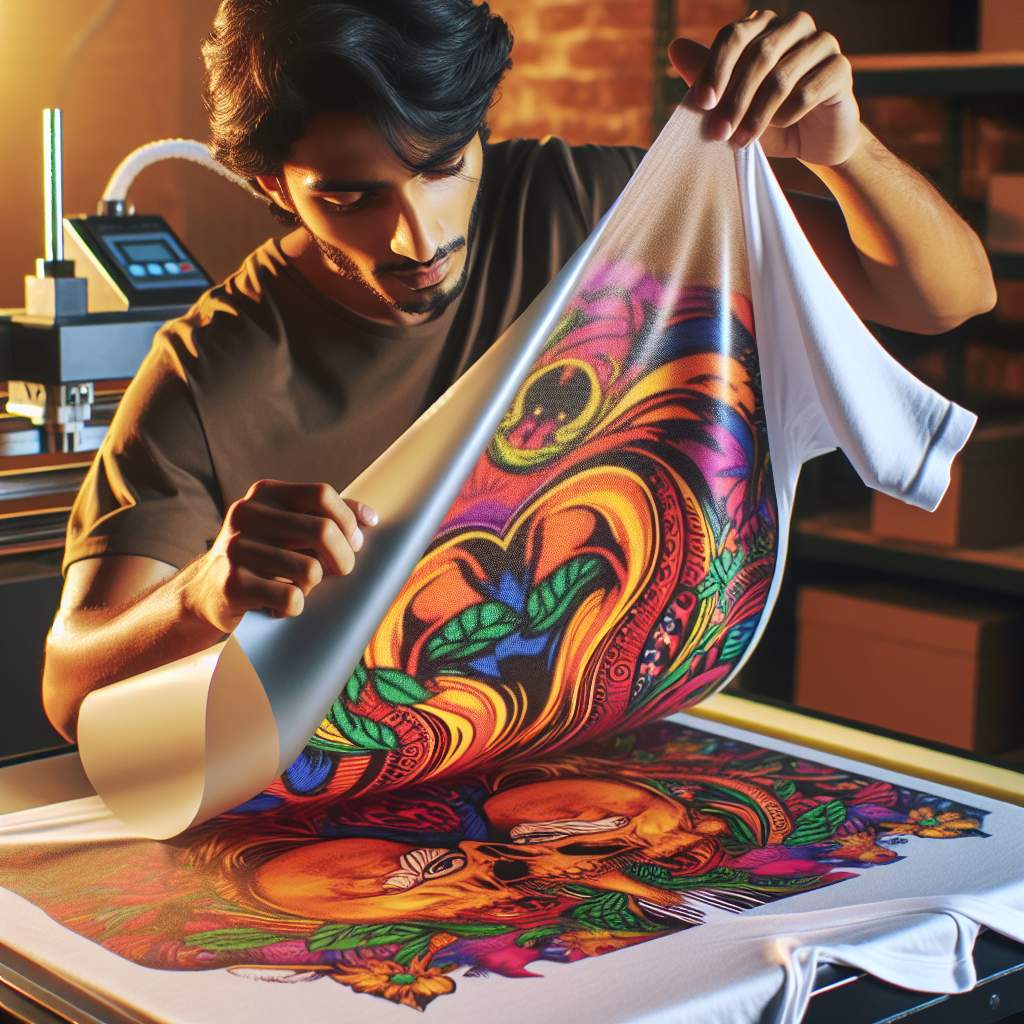
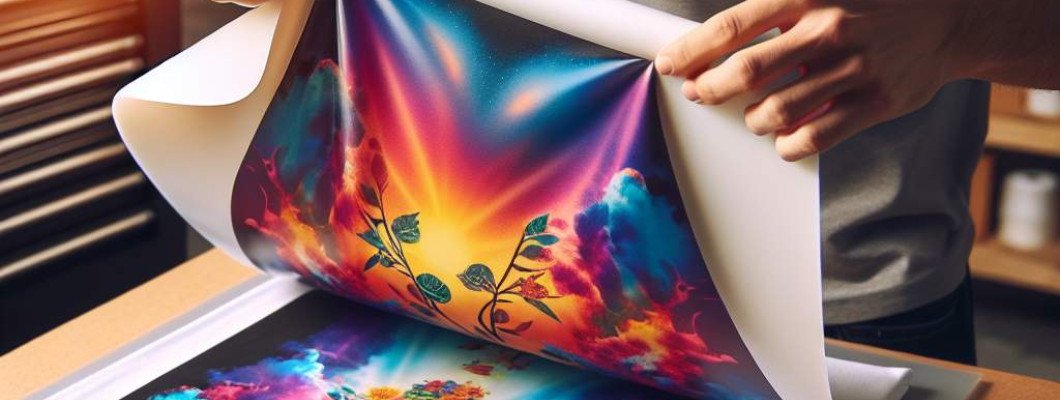
DTF transfers have gained widespread popularity recently because of their versatility and affordability for small quantities. This process involves printing designs onto a special transfer film using a digital printer, which is then heat pressed onto garments. The result is a vibrant, durable image that retains its quality through repeated washes. Additionally, DTF offers high-resolution prints with intricate details and a wide array of colors, making it an excellent choice for complex or multi-colored designs. The setup costs are relatively low compared to traditional methods, which makes DTF particularly appealing for short runs or quick-turnaround projects.
On the other hand, traditional screen printing is a time-tested technique with a long history. It involves creating a stencil (or screen) for each color and pushing ink through the mesh onto the fabric. Screen printing is renowned for producing bold, opaque colors and affordable per-unit costs when printing large quantities. However, for short runs—say, under 50 or 100 garments—screen printing can become less cost-effective due to the higher setup costs associated with creating screens and preparing inks. Despite this, many find that the vibrant, long-lasting results of screen printing make it worth considering for their specific needs.
Cost Considerations for Short Runs
Pricing can be a significant factor in choosing between DTF transfers and screen printing for short orders. DTF transfers typically involve a one-time cost for printing a design onto a transfer sheet, which can then be used repeatedly. This flexibility reduces upfront expenses when working with small quantities. Plus, because the printing process doesn't require individual screens, there"s minimal initial investment and no per-color setup fees. This makes DTF very cost-effective for small batches or prototypes.
Conversely, screen printing incurs higher initial costs due to the need to prepare stencils and set up machinery. For small orders, these fixed costs can inflate the price per garment, making screen printing less economical at low volumes. However, if you're planning to scale up and print in larger quantities, the cost per unit drops significantly, providing long-term savings. Therefore, for one-off designs or limited runs, DTF often provides a more budget-friendly option, while screen printing may be better suited for slightly larger short runs where setup costs can be amortized over more units.
Design Complexity and Quality
Design intricacy is another critical factor. DTF transfers excel with full-color, highly detailed images, including gradients, photographic images, and complex patterns. The digital printing process on transfer films captures fine details and vibrant colors with ease. Furthermore, DTF produces prints that are soft, flexible, and durable, with excellent washability. This makes DTF ideal for designs that require precision and color richness.
Screen printing, by contrast, is traditionally better suited for simple, bold designs with fewer colors. While it can produce highly vibrant and long-lasting prints, reproducing detailed images or photographs can be challenging and may require multiple screens for each color. This can increase costs and complexity for short runs. Nonetheless, for straightforward designs with limited colors, screen printing delivers a bold, opaque finish with outstanding durability.
Turnaround Time and Production Speed
When deadlines are tight, turnaround time becomes a vital consideration. DTF transfers generally have a faster production cycle for small batches because they involve digital printing and heat pressing, both of which can be completed quickly. With minimal setup, you can go from design to finished product in a matter of hours, making DTF a strong candidate for urgent projects.
Screen printing, on the other hand, requires more time upfront to create screens and prepare inks. For small runs, this setup phase can lengthen the time before production begins. While the actual printing process for screen printing is fast, delays in setup can make it less suitable for urgent short-run jobs unless you have an established workflow and equipment ready to go. If speed is a priority, DTF transfers often have the edge for small quantities with quick turnaround demands.
Durability and Washability
Durability is a key factor, especially for apparel that sees regular washing. DTF transfers produce prints with excellent durability, maintaining vibrant colors and detailed images even after multiple washes. Their adhesive layer helps them bond well to fabrics, making them resistant to cracking, peeling, and fading.
Screen-printed garments generally outperform in durability, especially with 100% plastisol inks, which are designed to withstand repeated washing without significant degradation. The ink bonds tightly to the fabric, resulting in long-lasting designs that resist cracking and fading. For short runs where longevity matters, both methods can deliver durable results, but screen printing often has the edge when it comes to heavy-duty wear.
Environmental Impact and Sustainability
Environmental considerations are increasingly important. DTF transfers tend to generate less waste and utilize digital printing technologies that produce minimal excess ink. Additionally, many transfer films and inks are formulated to be eco-friendly, making DTF a potentially greener option for small-batch printing. It also reduces water and energy consumption compared to traditional screen printing, especially when producing short runs.
Screen printing can have a higher environmental footprint due to the use of large quantities of water in screen cleaning and production, as well as the disposal of chemicals and inks. However, advances in water-based inks and eco-friendly emulsions are helping to mitigate these concerns, making screen printing more sustainable. When choosing the ideal method, it's worth considering your sustainability goals in addition to other factors.
Who Should Choose DTF Transfers?
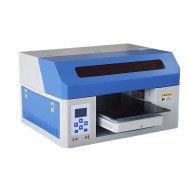
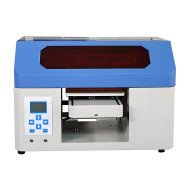
DTF transfers are ideal for businesses or individuals looking for quick, cost-effective, highly detailed, and colorful prints in small quantities. If you're creating custom shirts for an event, limited edition designs, or testing new concepts without the need for large orders, DTF offers flexibility and speed. For more information on high-quality DTF printers and how they can benefit your projects, visit this product page.
Who Should Opt for Screen Printing?
Screen printing tends to be a better choice for designs with limited colors, bold imagery, or when producing large quantities of the same design. It offers superior durability and vibrant color payoff, making it suitable for merchandise, sportswear, or promotional apparel meant to last through many washes. If you're planning to scale your production in the future, screen printing can deliver impressive economies of scale for short to medium runs.
Final Thoughts
Deciding between DTF transfers and screen printing for short runs depends on your specific project requirements, budget, design complexity, and turnaround needs. DTF offers versatility, affordability for small quantities, and high-resolution printing, making it perfect for personalized or limited-edition items. Meanwhile, screen printing provides durability, vibrant colors, and cost efficiency when printing larger short runs with simple designs.
Ultimately, evaluating your priorities—whether it's cost, speed, design detail, or environmental impact—will guide you toward the optimal choice. Given the rapid evolution of printing technologies, it's worthwhile to explore and test both methods to see which best suits your business or personal needs.













Leave a Comment