DTF printer technology burns through traditional limits in textile printing
DTF printer technology burns through traditional limits in textile printing
In the ever-evolving world of textile and apparel printing, the dtf printer (Direct to Film printer) is redefining possibilities. Unlike traditional methods like screen printing or DTG (Direct to Garment), DTF printing offers unmatched versatility, precision, and cost-effectiveness. Whether you’re an entrepreneur launching a custom t-shirt line or an industrial workshop scaling production capabilities, the dtf printer brings cutting-edge innovation to your business. This comprehensive guide dives deep into the technical advantages, key features, and ROI impact that make DTF printers a must-have tool for textile printing.
What is a DTF Printer and How Does It Work?
A DTF printer (Direct to Film printer) is a specialized digital printing machine that produces high-quality, full-color designs on PET (polyethylene terephthalate) film. The process involves printing a design in reverse using CMYK and white inks, applying a powdered adhesive, and fusing the image onto a garment using a heat press. This printing method opens up endless customization possibilities and results in vibrant, durable prints that adhere seamlessly to various fabric types, including cotton, polyester, blends, and even leather.
Key Components of a DTF Printer
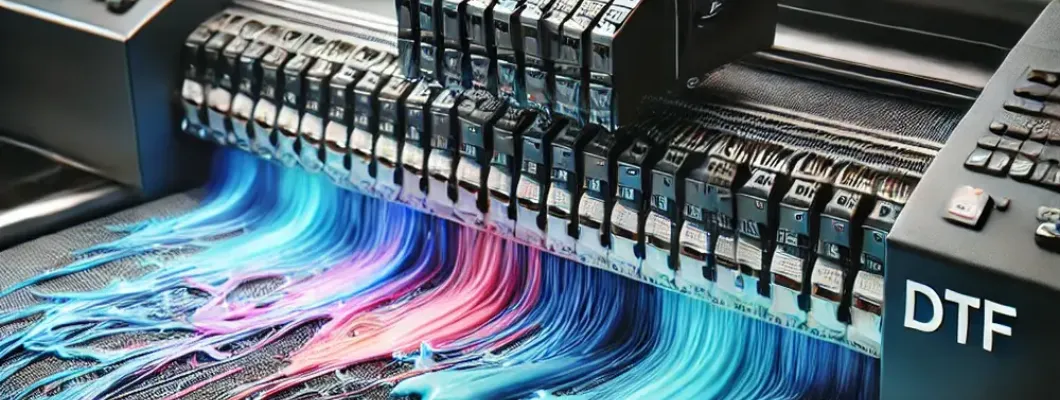
- Printhead Technology: Most DTF printers, like those equipped with Epson XP600 printheads, deliver high-resolution imagery with robust durability, offering a perfect balance of performance and cost-efficiency.
- White Ink Circulation System: Automatic white ink circulation prevents clogs and ensures consistent print quality. This feature is critical for businesses looking to maintain uptime and optimize output.
- RIP Software: Specialized software allows users to control colors, layers, and ink density, ensuring precise reproduction of even the most intricate designs.
Why Choose a DTF Printer Over Other Printing Methods?
To fully understand the impact of a DTF printer, it’s essential to compare it with other popular printing technologies like DTG and screen printing. Each approach has its strengths, but DTF printing clearly outshines when it comes to versatility, cost-efficiency, and scalability.
DTF Printer vs. DTG Printer
- Material Compatibility: While DTG is limited to printing on cotton, DTF printers excel on virtually any fabric, from polyester to leather.
- Durability: DTF prints boast superior wash resistance and elasticity, ensuring longer-lasting designs.
- Startup Costs: DTF systems generally have a lower entry cost, making them an accessible option for startups and small businesses.
DTF Printing vs. Screen Printing
- Setup Time: Unlike screen printing, which requires extensive prep work and stenciling, DTF offers a plug-and-play solution.
- Small-Batch Production: Screen printing is cost-effective at higher volumes, but for short runs, DTF printers deliver unbeatable flexibility and cost savings.
- Design Versatility: With no need for pre-production screen setups, DTF printers allow for intricate, detail-rich graphics to be effortlessly reproduced.
Unlocking the Business Potential of the DTF Printer
The adoption of DTF printers has skyrocketed among small businesses, medium-scale workshops, and industrial users alike. This surge can be attributed to several key factors that align directly with business goals such as profitability, scalability, and customer satisfaction.
The ROI Advantage of Investing in a DTF Printer
- Lower Consumables Cost: DTF printing eliminates the need for costly pre-production materials like screens and emulsions.
- High Profit Margins: Multi-fabric compatibility and vibrant print quality enable businesses to sell premium products at a remarkable markup.
- Fast Turnaround: DTF printers streamline production operations, allowing businesses to fulfill orders quickly and efficiently.
Applications in Key Industries
The versatility of a DTF printer makes it valuable across numerous industries:
- Fashion and Apparel: From custom t-shirts and hoodies to caps and gloves, expand your portfolio with low-cost, high-quality garments.
- Corporate Branding: Easily produce branded uniforms, totes, and promotional items with unmatched detail.
- Sportswear: Print breathable, durable graphics on performance fabrics for athletic teams and events.
Advanced Features to Look for in a DTF Printer
Not all DTF printers are created equal. While every model offers basic direct-to-film printing capabilities, advanced features can elevate a printer from functional to game-changing:
- Fully Automated Operation: Systems with auto white ink circulation and real-time printhead cleaning reduce maintenance overheads and production downtime.
- Multi-Size Formats: Models like A3 roll-fed DTF printers support batch production with minimal errors, while A4 sheet-fed printers are perfect for beginners and smaller businesses.
- Eco-Friendly Solutions: Look for systems that use non-toxic, water-based inks to meet sustainability goals while maintaining exceptional print quality.
Expert Verdict: Is the DTF Printer Right for Your Business?
Adopting a dtf printer is no longer just an option—it’s a strategic investment for businesses aiming to stay ahead in the competitive textile printing industry. Offering speed, versatility, and durability, DTF technology not only delivers superior printing quality but also creates new revenue opportunities across industries. As you assess your options, remember that features such as reliable printhead technology, robust ink systems, and scalable software integrations can amplify your productivity and profit margins.