DTF Printer Maintenance Costs Nobody Warns You About
DTF Printer Maintenance Costs Nobody Warns You About
If you're exploring innovative garment printing solutions, a dtf printer (Direct-to-Film printer) might be at the top of your list. Boasting versatility and jaw-dropping print quality for apparel customization, a DTF printer is an attractive investment for small businesses and seasoned print shops alike. However, while most resources celebrate its benefits, few dive into the hidden and ongoing maintenance costs that can significantly impact your bottom line. This article offers an in-depth breakdown of what you need to know about maintaining your DTF printer to ensure it remains a profitable asset in your business operations.
Understanding the Core Components of a DTF Printer
Before discussing maintenance, it's essential to understand the intricacies of a DTF printer. These machines are comprised of several critical parts, each requiring regular upkeep to ensure seamless performance. Key components include:
- Printhead: Often the most delicate and expensive part, the printhead handles the precise ink application onto transfer films.
- White Ink Circulation System: Prevents white ink (heavily used in DTF printing) from settling or clogging, which is a frequent issue.
- Heating Mechanism: Integral for curing the film during the printing process to ensure adhesion of the ink to substrates.
- Roller or Film Feeding System: Enables accurate movement of transfer films throughout the printing process without misalignment.
- RIP Software: The driver software that ensures precise color rendering and proper print settings for high-quality output.
Maintaining these components isn’t just about occasional cleanups; it requires a robust strategy to maximize the operational lifespan and prevent costly repairs.
DTF Printer Running Costs: More Than Just Ink
Many new users underestimate how maintenance expenses can sneak up on them. Here’s a breakdown of the major costs involved in running and maintaining a DTF printer beyond the initial purchase:
1. White Ink Management
White ink, a staple in DTF printing, is notoriously prone to sedimentation, leading to clogging and eventual damage to the printhead if not circulated regularly. Automated white ink circulation systems can minimize risk, but even they require monitoring, periodic cleaning, and refills. Additionally, white ink typically costs more than colored inks, and its frequent use will significantly add to your overheads.
2. Printhead Cleaning and Replacement
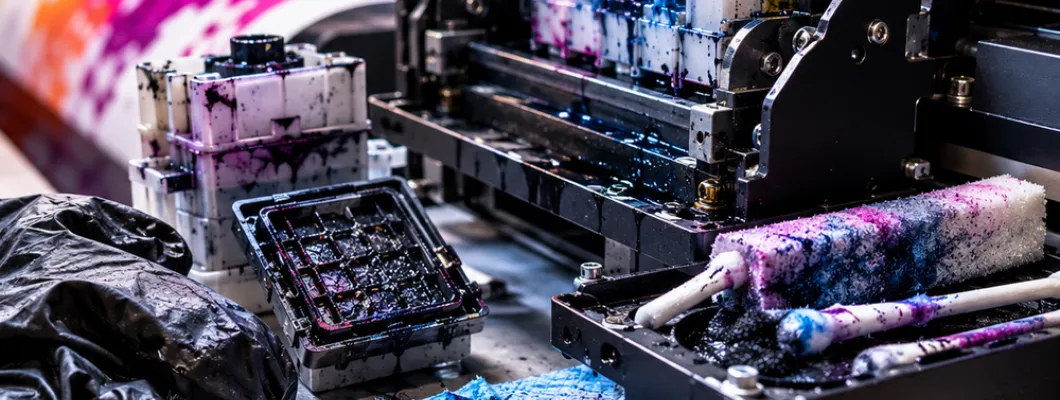
The printhead is often the single most expensive replaceable part of a DTF printer. Without proper maintenance, ink clogs and dried residue could degrade its performance. DTF printers require daily cleaning procedures, especially if used for high-volume printing. Failure to do so can lead to replacement costs ranging from hundreds to thousands of dollars, depending on your model.
3. Film and Powder Waste
Film rolls and powder adhesive are essential consumables for the DTF process. However, improper calibration or alignment of these materials can lead to wastage. Left-hand or right-hand misalignments during printing, uneven powder application, or jams in the film feeding system can all result in unnecessary material discard, which directly impacts your profitability.
4. Software Updates and Calibration
RIP software updates are critical for keeping your DTF printer’s performance optimized. Often overlooked, outdated software can cause glitches in color profiles and increase material waste due to improper print settings. Some manufacturers offer free updates, but others may require periodic licensing fees.
5. Electricity Usage
High-performance DTF printers often feature heating systems to cure the film and ink. These heating functions, when running for extended periods, can consume significant amounts of electricity, subtly adding to your running costs.
Preventative Maintenance Tips for Your DTF Printer
Prevention is better than costly repairs or downtime. Implement the following strategies to optimize the lifespan of your DTF printer:
Daily Cleaning Routine
Establish a daily cleaning regimen to remove residual ink from the printhead, nozzles, and surrounding areas. Use only manufacturer-approved cleaning solutions to avoid further damage.
Implement White Ink Circulation Protocol
Activate white ink circulation daily, even if the printer isn’t in use. For extended downtime, it’s recommended to flush the ink system entirely to prevent clogs. Some premium models offer automatic circulation, reducing the manual workload.
Monitor Temperature and Humidity
Environment plays a significant role in the performance of your DTF printer. Extreme temperatures or high humidity levels can affect ink viscosity and film adhesion. Aim to maintain a stable printing environment with controlled humidity between 40-60%.
Scheduled Servicing
Partner with an authorized service center for periodic check-ups. This might include deep cleaning, calibration, and replacing worn-out parts. Scheduled maintenance can often prevent sudden, more expensive repairs.
Proper Use of DPI Settings
Using higher DPI (dots per inch) settings results in greater ink consumption. Optimize your DPI configuration for the specific job at hand to strike the perfect balance between print quality and material usage.
Balancing Maintenance Costs with ROI
The maintenance costs of a DTF printer might appear daunting, but these expenses are part of ensuring it delivers high ROI over time. Key actions such as reducing print waste, sourcing consumables in bulk, and implementing a strict maintenance protocol can maximize overall profitability. Pairing sophisticated DTF technology with diligent upkeep will allow businesses to stay competitive while consistently providing vibrant, durable prints for customers.
Expert Advice: Making Informed DTF Printer Investments
Not all DTF printers are created equal. When considering your purchase, opt for models designed with durability and ease of maintenance in mind. For instance, GNFEI’s A3 roll DTF printer is engineered with smart features such as auto white ink circulation and effortless cleaning systems, specifically tailored for professional-grade performance without overwhelming maintenance demands.
By choosing the right equipment and maintaining it meticulously, you can enjoy unparalleled printing quality, meet customer demands effectively, and maintain a cost-efficient printing operation.