
Discovering the Power of DTG and T-Shirt Printers for Custom Apparel
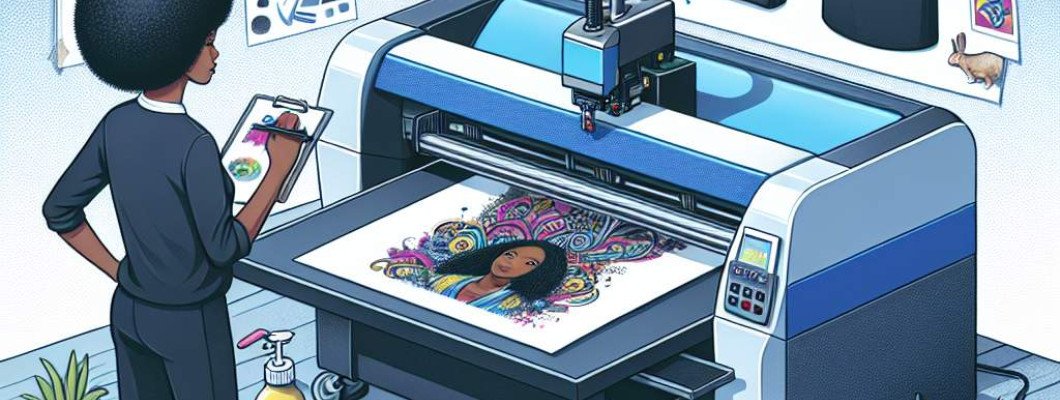
Struggling to find the right printing technology for your custom apparel business?
If you"ve been dabbling in t-shirt printing or considering starting a small-business venture, you've probably come across terms like DTG printer and T-shirt printer. It can feel overwhelming trying to figure out which is best for your needs.
I've been there too. When I first started, I wasted a lot of time and money experimenting with different methods. But once I understood how a DTG printer differs from traditional T-shirt printers, my workflow became smoother, and my designs looked more professional. If you're serious about quality and efficiency, understanding these printers is key.
What exactly is a DTG printer, and how does it stack up against traditional T-shirt printers?
Understanding Direct-to-Garment (DTG) Printing
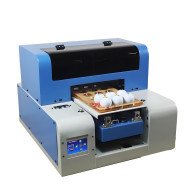
A DTG printer essentially works like an inkjet printer for paper but is designed specifically for fabric. It sprays specialized textile inks directly onto garments, producing high-resolution images with vibrant colours. The process is incredible for detailed designs or multi-colour artwork.
This method has gained popularity because it allows for on-demand printing without minimum orders. You can print a single shirt with a complex or colourful design, with results that are smooth and durable.
How Does a Traditional T-Shirt Printer Differ?
Traditional T-shirt printing methods include screen printing, heat transfers, or vinyl cutting. These methods are often less expensive initially but may have limitations:
- Screen printing: Best for bulk orders; less cost-effective for small runs or 1-offs.
- Heat transfers/Vinyl: Good for custom designs but can crack or peel over time.
- Cost: Setup costs can be higher or lower depending on the method, but the per-shirt cost tends to be higher for small batches.
Traditional methods usually require creating screens or cutting dies upfront, which adds time and expenses. They work well for simple, repeated designs but lack the flexibility of DTG printing for complex, full-colour images.
Why consider a DTG printer for your business?
Advantages of Direct-to-Garment Printing
- High detail and colour richness: Perfect for intricate designs and full-colour images.
- Low setup costs: No need for screens or dies—just create your design and print.
- Fast turnaround: Ideal for small runs or custom orders.
- No minimum orders: Flexibility to print just one shirt or hundreds.
- Soft feel: The ink is absorbed into the fabric, resulting in a print that feels natural.
Limitations to keep in mind
- Initial investment: Quality DTG printers can be costly upfront.
- Maintenance: Regular cleaning is required to keep print quality high.
- Fabric compatibility: Works best on certain fabrics like 100% cotton.
- Speed: Not ideal for high-volume production compared to screen printing.
Choosing the right T-shirt or DTG printer for your needs
Factors to consider
- Business size and volume: Do you want small custom runs or large batch production?
- Design complexity: Do your designs feature many colours or intricate details?
- Budget: What's your initial investment capacity versus long-term operational costs?
- Space and maintenance: Do you have dedicated space for printer upkeep?
For those starting small or aiming for high-detail prints, a reliable DTG printer can be a game-changer. It allows flexibility, quick turnaround, and impressive quality without high minimum orders, making it ideal for entrepreneurs and hobbyists alike.
Real-world example: How a friend turned her t-shirt side hustle into a thriving business
Tell you about my friend Lisa. She started her custom t-shirt business from her garage, using a basic heat transfer setup. It worked okay, but she wanted more vibrant colours and detailed designs. She invested in a mid-range DTG printer, and her orders shot up instantly.
She no longer had to run batches as large as possible; now she could produce single, personalised shirts for her clients on demand. The quality improvement was clear. Her customers kept coming back because her shirts looked as good as the big brands. That decision to upgrade her printer made a real difference.
Where to buy a reliable DTG or T-shirt printer
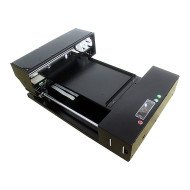
If you're ready to upgrade or start fresh, check out trusted brands and suppliers. A good starting point is visiting this product page. Look for features like:
- Ease of use
- Quality of print
- Customer support
- Cost of consumables
Investing in the right machine can save you headaches and money long-term. Take your time to research and, if possible, see live demos or get feedback from other users.
FAQs about DTG and T-Shirt Printers
- Is DTG printing suitable for all fabric types? Not all fabrics; best on 100% cotton or cotton blends. Avoid polyester or fabrics with high stretch.
- How durable are DTG prints? When properly cured, DTG prints can last several washes without fading. Proper maintenance matters.
- Can I use a DTG printer for bulk orders? While possible, other methods like screen printing are more cost-effective for large-scale production.
- What is the initial cost of a good DTG printer? Range varies from around $10,000 to over $30,000, depending on features and brand.
- What are ongoing costs? Ink, maintenance, and cleaning supplies are recurring expenses; plan your budget accordingly.












Leave a Comment