
Discover Innovative Solutions with the Latest T-Shirt Printing Machines
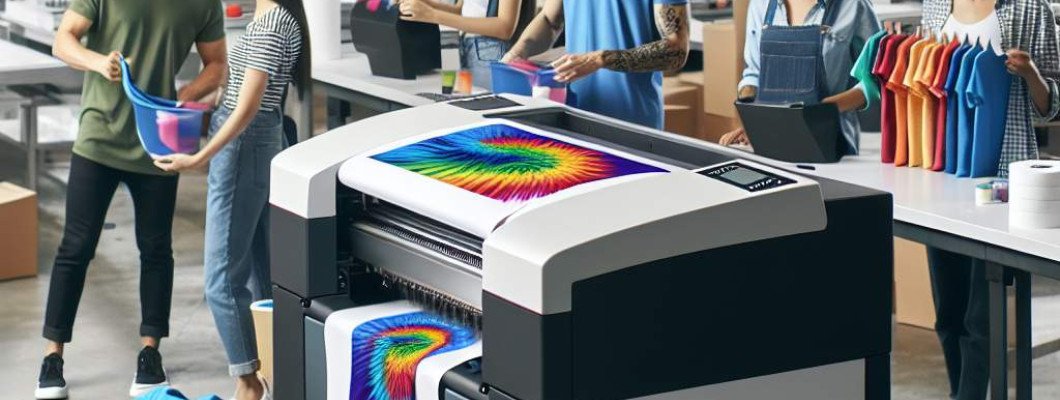
Struggling to find the right t-shirt printing machine that keeps up with your business goals?
If you're venturing into custom apparel or looking to upgrade your existing setup, chances are you've heard about DTG printers. These machines are revolutionising how we print on garments, making the process faster, more vibrant, and incredibly detailed. But with so many options out there, it"s tough to know which one actually fits your needs. I"ve been there myself — trying to figure out what works best, especially for small batches or large orders.
Why a DTG Printer is a Game-Changer for T-Shirt Printing
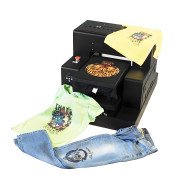
Imagine printing full-colour, photo-quality designs directly onto t-shirts without the hassle of screens or transfers. That"s the power of a DTG printer. Unlike traditional screen printing, DTG (Direct-to-Garment) technology applies ink directly onto fabric, producing crisp images and smooth gradients.
This type of machine is perfect if you"re into custom designs, variable data printing, or if you want flexibility for short runs. Plus, the setup is minimal — no need for creating screens or plates. That saves you both time and money in the long run.
How Does a T-Shirt Printing Machine with DTG Work?
- Design Preparation: You upload your artwork to specialised software, making sure the resolution and colours are just right.
- Preparation of Garment: The t-shirt is pre-treated with a liquid that helps the ink bond better with the fabric — an essential step for vibrant and durable prints.
- Printing Process: The DTG printer applies water-based inks directly onto the garment, following your digital design.
- Curing and Finishing: After printing, the shirt goes through a curing process, either with a heat press or a conveyor dryer, to set the ink.
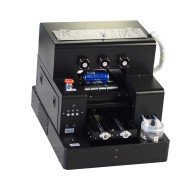
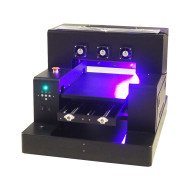
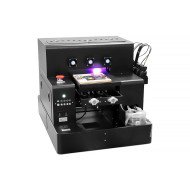
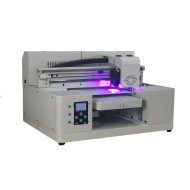
This flow is smooth and fast, especially with a high-quality A3 DTG Printer. It"s a reliable choice if you want professional results without the fuss of traditional methods.
Choosing the Right T-Shirt Printing Machine for Your Business
Factors to Consider
- Production volume: Are you printing a few shirts a week or hundreds? The machine size and speed matter.
- Design complexity: Do you need to print detailed images or simple logos? DTG handles rich details well.
- Budget: Entry-level models are more affordable but may lack some features of high-end printers.
- Space constraints: Smaller workshops benefit from compact machines without sacrificing quality.
Popular Features to Look For
- High resolution printing for detailed artwork.
- Automatic cleaning and maintenance to reduce downtime.
- Compatibility with different garment types— from cotton shirts to blends.
- Wave technology or nozzle precision for smoother gradients and colours.
It"s worth investing in a reputable brand and checking user reviews. When I upgraded my setup, I always looked for reviews from other small business owners to see how their machines performed over time.
Maximising Quality with Your T-Shirt Printing Machine
Even the best DTG printer can underperform if not handled properly. Here are some tips I"ve learned over the years:
Pre-Treatment Is Key
A well-prepared garment ensures vibrant, long-lasting prints. Don"t skip this step, and use the recommended pre-treatment product.
Use Genuine Inks and Maintenance
Cheaping out on inks or neglecting maintenance can lead to poor print quality or machine breakdowns. Regular cleaning and using authentic supplies are worth the investment.
Optimal Design Files
- Use high-resolution images (300 DPI or higher).
- Convert colours to CMYK for a more accurate colour representation.
- Avoid overly complex designs that might cause lengthy print times or ink clogs.
Operator Training
Understanding the nuances of your DTG machine, whether it"s manual calibration or software operation, makes a huge difference. I recommend dedicating time to training or tutorials from the manufacturer.
Real-World Examples: Success Stories & Friendly Advice
One of the users I spoke with recently shared that switching to an advanced A3 DTG Printer allowed her to expand her product offerings quickly. She went from basic logo prints to detailed photo reproductions, opening new business avenues.
It"s all about reliable tech and understanding your craft. When I started, I DIY"ed my setup and learned the hard way — now I focus on quality and efficiency, thanks to good equipment and consistent practice.
FAQs About DTG Printers & T-Shirt Printing Machines
1. How long does a DTG printer last?
With proper maintenance and care, most DTG printers last 5-7 years. Regular cleaning and using quality inks extend their lifespan.
2. Can I print on different fabric types?
DTG printers work best on 100% cotton or natural fabrics. Blends can sometimes work if treated properly, but results vary.
3. Is DTG printing suitable for bulk orders?
It"s ideal for small runs or bespoke designs. For mass production, traditional methods like screen printing might be more cost-effective.
4. What"s the typical turnaround time for a shirt?
Design upload, pre-treatment, printing, and curing typically take around 15-30 minutes per shirt, depending on complexity and machine speed.
5. How do I start my own t-shirt printing business with a DTG printer?
Begin with a good quality printer, set up a small workspace, learn the software, and start with simple designs. Customer service and quality work will help you grow fast.


Leave a Comment