
Digital security and personalization trends reshaping everyday access solutions through card printer innovation
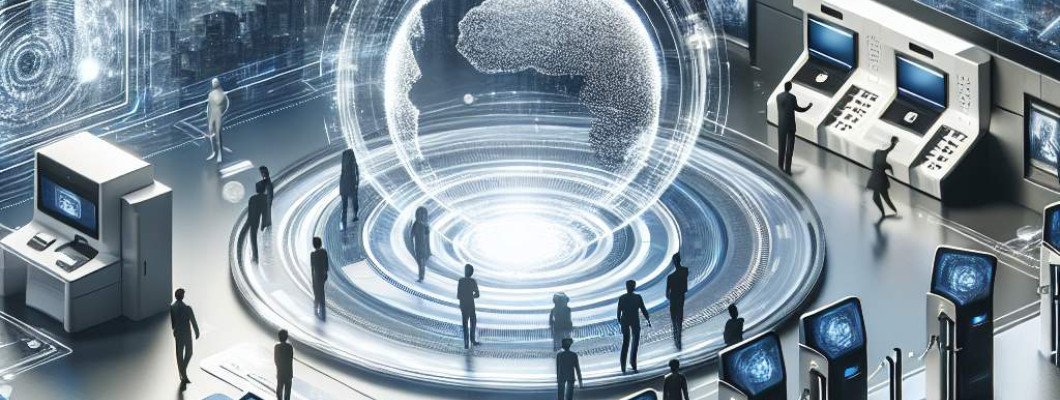
Are you struggling to keep your access control secure and personalized enough for today"s needs?
In a world where identity theft and unauthorized access are on the rise, digital security and personalization trends are transforming how we manage everyday access. From corporate ID badges to secure event passes, the way we authenticate ourselves is evolving rapidly. Have you ever wondered how businesses and institutions are using innovative card printers to stay ahead of security threats while offering tailored access? If so, you're about to discover how cutting-edge technology is reshaping access solutions globally.
Imagine chatting with a friend who works in facilities management. They mention how their company recently upgraded their access control system with new card printers that can produce highly personalized, secure ID cards instantly. Such innovations are not just convenient—they"re critical for preventing fraud, boosting security, and providing a seamless user experience. This is the power of the latest trends in digital security and personalization, driven by advanced card printer technology.
Understanding the Role of Card Printer Innovation in Enhancing Security
Card printers have come a long way from basic printing devices. Today"s models incorporate sophisticated features that directly address security concerns. What makes these innovations vital? They offer:
- Advanced encoding options: Embedding encrypted data on cards to prevent duplication and fraud.
- Holographic overlays: Adding a physical anti-counterfeit layer that"s visible to the naked eye.
- Secure printing environments: Incorporating biometric access controls where cards are issued, reducing the risk of tampering.
- Instant personalization: Creating tailored credentials for individuals on-demand.
These enhancements mean that security isn"t afterthought anymore. It"s integrated into the very fabric of the card creation process, making counterfeit and unauthorized access significantly harder. The trend is clear: digital security and personalization are becoming inseparable, thanks to innovative card printers that adapt to the evolving threat landscape. This evolution is helping organizations everywhere maintain safer premises without sacrificing efficiency or user convenience.
Personalization: Making Access More User-Friendly and Secure
Personalization, once limited to adding a name and logo, now involves complex data integration. Modern card printers can include high-quality images, individualized data, security features, and even interactive elements like QR codes or RFID chips. This trend is driven by the need to combine security with a smooth user experience. For example, a university campus can issue personalized ID cards that not only grant access to facilities but also serve as a payment method in the cafeteria. This layered approach enhances security while adding convenience, reducing the need for multiple cards or passes.
Implementing such features involves:
- Data integration from biometric databases: Ensuring the right person is issued a credential.
- High-resolution printing: For clear, durable images and text that stand up to daily wear.
- Embedded security elements: Includes UV features and holograms at the point of print.
- Mobile compatibility: Linking physical cards with digital apps or IDs for hybrid access solutions.
These capabilities are transforming access control from a simple lock-and-key model to a comprehensive security ecosystem, deploying personalization as a core feature. The result? Improved accountability, reduced fraud, and better user experience across sectors such as healthcare, banking, and government institutions.
The Future of Access Solutions: Combining Security with Personalization
The ongoing innovation in card printers is just the beginning. The future points toward even more integrated solutions that combine physical cards with digital identity management. Think about contactless cards that can be customized on the spot, with encrypted data linked directly to a user"s mobile device. These hybrid approaches leverage physical security and digital verification, creating a robust barrier against threats.
Furthermore, advancements like RFID and NFC chips embedded during printing allow instant access transfer, reducing wait times and human errors. Combining AI-powered verification with real-time personalization creates an environment where security is dynamic and adaptable, not static. This is especially crucial for large enterprises, government agencies, and event organizers who need rapid, secure, and flexible access control systems.
Already, some organizations are deploying printers that can produce smart cards with multiple security layers, including biometric data and instant personalization features, all in a matter of minutes. This disruptive trend makes it possible to tailor access credentials to individual roles, locations, or risk profiles, ensuring that digital security and personalization are seamlessly integrated. For anyone involved in access point management, adopting these innovations is critical to staying ahead of threats and improving user experience.
Choosing the Right Card Printer for Your Needs
If you"re considering upgrading your access control system with modern card printers, focus on a few key factors:
- Security Features: Look for printers with optional holographic overlays, encryption, and anti-counterfeit measures.
- Print Quality: High-resolution printing ensures clear images and text, vital for official credentials.
- Speed & Volume: Match the printer"s capacity to your issuance demands, whether for daily issuance or bulk printing.
- Compatibility: Confirm compatibility with your existing data systems and security infrastructure.
- Ease of Use: User-friendly interfaces reduce errors and training time.
Some leading models now incorporate features like contactless encoding, dual-sided printing, and integration with biometric systems. Consider consulting with a provider like UV printers to find an option tailored to your security and personalization needs.
Real-world examples of innovative access solutions
One notable example is a hospital that implemented a card printing system featuring personalized, secure ID badges with embedded RFID chips. Staff members could access different zones based on their roles, and the system could instantly update access rights remotely. This eliminated delays and reduced errors traditionally caused by manual card issuance.
Another is a large conference where attendees received personalized, hologram-enhanced badges printed on-site. The high level of security prevented counterfeit passes, while fast issuance kept registration smooth. These stories highlight how digital security and personalization in card printing directly contribute to operational efficiency and safety.
FAQs about Digital Security and Personalization in Card Printing
1. How do modern card printers enhance security?
They incorporate encrypted encoding, holographic overlays, anti-counterfeit features, and biometric verification options to make copying or tampering extremely difficult.
2. Can card printers produce personalized and secure IDs in real-time?
Yes. Many printers can produce high-quality, personalized cards instantly, often with embedded security features like RFID or QR codes for added protection.
3. What features should I look for when selecting a card printer for security purposes?
Focus on encryption capabilities, hologram options, high-resolution printing, ease of integration with security databases, and support for contactless technologies.
4. How does personalization improve user experience in access management?
It allows for quick, tailored access rights, reduces wait times, and enhances security through unique, user-specific credentials.
5. Are there any limitations to current card printing technology?
Some limitations include cost for advanced features, the need for regular maintenance, and ensuring compatibility with your overall security infrastructure. However, ongoing innovation continues to address these challenges effectively.
By integrating digital security and personalization into your access solutions through the latest card printer technology, you create a safer environment while providing a seamless experience for users around the world. Staying ahead means adopting these trends today, ensuring your organization remains protected and efficient in the years to come.






Leave a Comment