
Design-led manufacturing gaining momentum as UV printer supports rapid prototyping and short runs
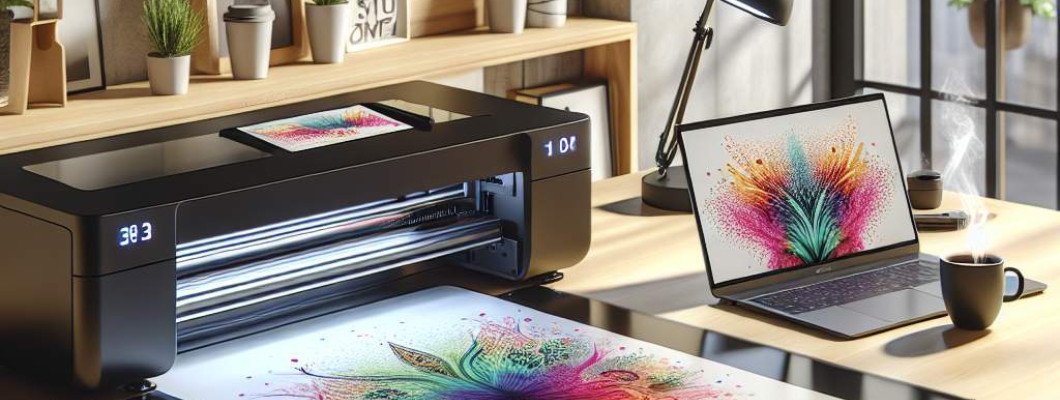
Struggling to keep up with modern manufacturing demands?
If you've been in the manufacturing game, you probably noticed how fast things are moving. Traditional methods often can't match the speed or flexibility needed for today"s quick-turnaround projects. That"s where design-led manufacturing is making a real difference, especially with innovations like UV printing. Have you seen how UV printers have transformed prototyping and small batch runs? It"s like having a mini factory at your fingertips.
Why design-led manufacturing is gaining momentum
Design-led manufacturing puts creativity and design flexibility front and center. It's about turning ideas into real products faster and more efficiently. Companies that once relied solely on large volume production are now embracing short runs and rapid prototyping — thanks to UV printing technology. No longer do you need to wait weeks for molds or setups. You can prototype, test, and tweak designs quickly, saving time and costs.
The role of UV printers in rapid prototyping
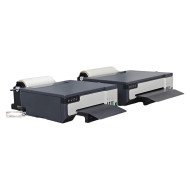
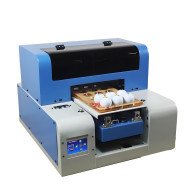
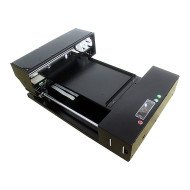
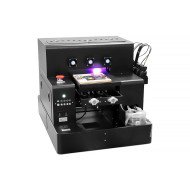
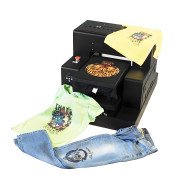
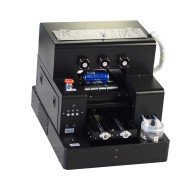
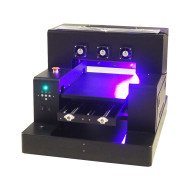
UV printers are game changers. They use ultraviolet light to instantly cure ink on various surfaces. This means you get high-quality, detailed prints in a matter of seconds. Want to see how your design looks on plastic, metal, or even paper? Just print and evaluate. It's perfect for quick iterations and testing different materials. For example, a friend of mine who designs custom packaging now creates prototypes in a day, not weeks, thanks to UV printing. That"s real agility. And here's a link to a great UV printing machine: Spot UV Printing Machine.
Advantages of UV printing for short runs
Flexibility and speed
- No need for expensive molds or setups
- Quick print turnaround, often within minutes
- Easy to switch designs between runs
High-quality finishes
- Beautiful gloss and matte effects
- Sharp detail with vibrant colors
- Ability to add textures or special effects
Cost-effective for small batches
- Reduce waste with precise control
- Lower upfront costs compared to traditional methods
- Ideal for limited editions or customized products
Imagine reducing your prototype development from weeks to days. You're not just saving time—you"re also cutting costs and increasing your capacity to innovate. It"s almost like having your own tiny factory that adapts to your needs quickly. Your customers will love seeing their ideas turn real so fast.
How companies are integrating UV printing into their workflows
Many businesses are now blending UV printing with CAD/CAM design tools. Some create digital mockups that go straight into printing. This synergy speeds up the entire process, from concept to product. For instance, a startup I know used UV printing for their promotional items. They could produce unique samples on-demand for trade shows, impressing clients with their speed and quality. That"s the kind of agility that design-led manufacturing provides.
Tips for implementing UV printing in your business
- Invest in versatile equipment: Focus on machines that handle different materials and effects.
- Train your team: Ensure staff understands printing parameters and finishing techniques.
- Integrate digital design workflows: Use CAD and graphic design tools for fast modifications.
- Start small: Experiment with short runs and prototypes before scaling up.
Take it from me, once you get comfortable with UV printers, you'll wonder how you ever managed without them. The ability to prototype, test, and produce in-house offers unmatched control and flexibility. Plus, you can offer your customers custom products with top-quality finishes that stand out.
What the future holds for design-led manufacturing and UV printing
This technology isn"t just a trend; it"s shaping the future of manufacturing. As UV printers become more affordable and advanced, expect more businesses to adopt them. The focus will shift from bulk production to personalized, on-demand items. Think about how this could revolutionize industries like packaging, promotional products, electronics, and fashion accessories. It"s an exciting time to be in manufacturing, with the ability to innovate faster than ever before.
FAQs about UV printing and design-led manufacturing
1. Is UV printing suitable for all materials?
UV printing works on many surfaces, including plastics, metals, glass, and paper. However, compatibility depends on the specific printer and ink. Check the machine specifications before purchasing.
2. How durable are UV-printed products?
UV prints are highly durable and resistant to scratches and fading. They"re ideal for items that require long-lasting finishes.
3. Can I produce small batches with high quality?
Absolutely. UV printers excel at short runs and custom jobs with high detail and excellent surface finishes.
4. What are the main costs involved in UV printing setup?
The initial investment includes the printer and inks, but ongoing costs are relatively low. You save on molds, setup time, and material waste compared to traditional methods.
5. How eco-friendly is UV printing?
UV printing produces minimal waste and uses less energy than traditional processes. Many UV inks are also environmentally friendly, making it a greener choice for manufacturing.



Leave a Comment