Deep Insights into A3 DTG Printer Technical Challenges and Opportunities
The Industrial Reality
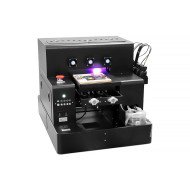
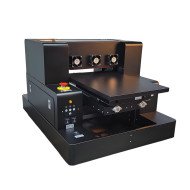
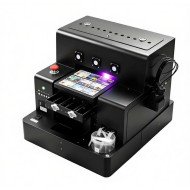
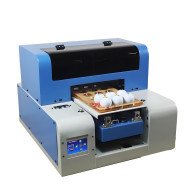
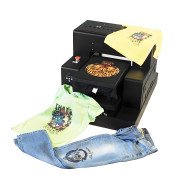
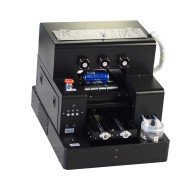
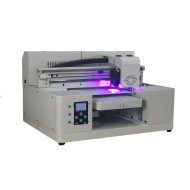
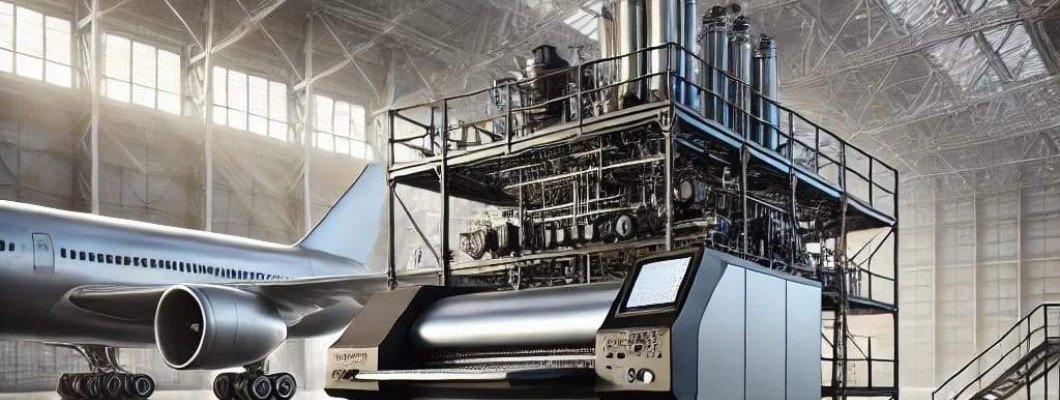
In the realm of direct-to-garment (DTG) printing, the A3 DTG Printer T-shirt Printing Machine stands as a key player. This machine is designed to deliver intricate designs directly onto textiles, but it presents a unique set of challenges that require detailed analysis. From extreme precision in printhead alignment to managing ink viscosity, the A3 DTG Printer exemplifies the complexities of industrial-grade printing technologies.
Technical Deep-Dive
Ink Chemistry and Printhead Dynamics
The fluid dynamics involved in DTG printing are critical. Maintaining consistent ink viscosity (usually between 10-15 mPa·s) ensures reliable printhead performance. Printhead plates, measured in nanometers, operate under high-frequency piezoelectric signals, creating pressure fields that affect droplet formation.
Thermal Management
Effective thermal management is pivotal. The printer typically operates at 25-30°C, balancing ambient temperature and internal heat generated from electrical components. Thermal management systems using heat sinks and fans often ensure operational stability.
Substrate Versatility
The A3 DTG Printer must adapt to various fabric substrates. Its adaptability is influenced by the platen thickness and pressure applied, requiring precision alignment (<0.1 mm variance) to ensure print quality.
Lifecycle Maintenance Costs
Regular maintenance involves printhead cleaning and ink system flushing, typically consuming 150-200 ml of cleaning solution per cycle. These tasks are essential for prolonged printhead life, often estimated at 2-3 years.
Global Supply Chain and Regional Manufacturing Realities
Supply chain constraints affect availability and pricing, with components sourced globally. Regional manufacturing differences impact final assembly procedures.
Scenario Analysis
High-Volume Production
For businesses aiming for high throughput, the printer's ability to sustain production cycles is key. Ink consumption rates, nozzle efficiency, and hardware durability are major factors determining ROI.
Artisan-Level Detail
Artisans requiring micron-level precision will benefit from enhanced color depth capabilities. This machine offers advanced control over dpi (up to 1440 dpi for fine textiles).
Infrastructure Integration
Integration with existing server infrastructure is crucial for seamless workflow management. Compatibility with current network protocols (TCP/IP, HTTP/HTTPS) supports efficient data transmission.
Expert FAQ
1. How does ink droplet size impact print quality? Droplet size, measured in picoliters (pl), affects color accuracy and detail. Smaller droplets (~5 pl) offer sharper images.
2. What maintenance tasks extend printhead life? Regular cleaning routines, including automated flushing and manual inspection, are essential.
3. How does temperature regulation affect print consistency? Maintaining stable temperature reduces ink drying issues, ensuring uniform prints.
4. What factors influence substrate compatibility? Fabric density, weave, and treatment impact how ink adheres and spreads.
5. How do supply chain dynamics affect machine cost? Fluctuations in component availability and tariffs impact pricing and delivery timelines.
Strategic Verdict
The A3 DTG Printer represents a strategic asset for businesses transitioning from DIY to industrial-grade operations. Its technical specifications allow for scalable production, while ongoing developments in printhead technology and ink chemistry promise future advancements. This machine is poised to adapt to evolving market demands.