Daily Cleaning Protocol for Your coffee latte printer to Pass Health Inspections
Understanding the Unique Cleaning Challenges of Coffee Latte Printers
Why Coffee Latte Printers Demand Specialized Cleaning
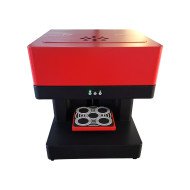
Coffee latte printers occupy a niche where food safety regulations intersect with precision manufacturing technology. Unlike traditional industrial printers, these devices handle edible inks containing milk proteins, sugars, and pigments that quickly spoil without proper cleaning. Health inspections focus intensely on preventing microbial growth, avoiding ink cross-contamination, and maintaining consistent print quality.
Misconceptions about treating coffee latte printers like standard commercial printers can cause critical downtime due to contamination, clogged nozzles, and unexpected machine failures. The organic nature of the inks necessitates frequent and detailed maintenance beyond what users of non-food printers are accustomed to.
Common Health Inspection Pitfalls
Many facilities experience failed inspections due to overlooked residue buildup inside ink conduits and printheads. Issues such as ink coagulation and microbial biofilms form rapidly without rigorous cleaning, becoming breeding grounds for pathogens like mold or bacteria. Failing to clean the printer's platen and surrounding working areas daily can also compromise overall sanitation.
Reviewing past inspection reports reveals that inspectors emphasize an auditable cleaning protocol. Simple verbal assurances or infrequent maintenance logs do not suffice. Detailed, daily documented cleaning steps aligned with manufacturer guidelines become a compliance requirement if you want to avoid fines or forced shutdowns.
Materials and Tools Required for Effective Daily Cleaning
Choosing the right cleaning agents and hardware is the foundation of an effective routine. Harsh chemicals risk damaging nozzles or food-contact surfaces, while insufficient cleaning tools fail to remove tenacious coffee residues.
- Food-grade, non-toxic solvents specifically validated for edible inks
- Microfiber cloths and lint-free swabs for gentle wiping
- Isopropyl alcohol (70%) for disinfecting non-electrical parts
- Soft brushes designed for fine nozzle cleaning
- Disposable gloves and sanitary coverings to maintain operator hygiene
GNFEI, a global leader in regulated print equipment, provides recommended cleaning kits tailored for coffee latte printers. These kits balance thorough microbial control with printhead preservation, proving more cost-effective over time than generic cleaning supplies.
Daily Step-by-Step Cleaning Process for Coffee Latte Printers
Pre-Cleaning Assessment and Preparation
Begin by powering down the machine per manufacturer instructions to avoid inadvertent damage. Inspect nozzle health via printhead test patterns; identify clogged or misfiring nozzles. Document any anomalies in the cleaning log for quality control.
Remove ink reservoirs and cartridges carefully, noting ink levels to minimize waste. Place them in a clean area protected from ambient contaminants.
Printhead Cleaning: Between Precision and Preservation
Use GNFEI-approved cleaning fluid to flush the printhead channels systematically. Follow these critical steps:
- Immerse the printhead in the cleaning solution for no more than 5 minutes to prevent ink components from drying and hardening inside the nozzles
- Use a soft brush to gently dislodge ink sediment accumulated on the nozzles without applying excessive pressure that could deform precision parts
- Perform a secondary flushing using a syringe method to remove residual fluid and debris
Observe white ink presence particularly carefully; it often tends to settle and crystallize, leading to nozzle blockages unique to coffee printing inks.
Sanitizing Food-Contact and Surrounding Components
After mechanical cleaning, sanitize platen surfaces, protective shields, and any parts directly contacting printed coffee foam using food-safe disinfectants. This step prevents microbial contamination on surfaces traced during health inspections.
Wipe down machine exteriors with microfiber cloths and isopropyl alcohol carefully avoiding electronic circuit boards to maintain system longevity.
Common Troubleshooting Scenarios During Daily Cleaning
Nozzle Clogging Despite Routine Cleaning
If clogs persist even after daily cleaning, further diagnostics are warranted. Check ink viscosity, as overly thick or expired inks drastically increase residue buildup. Adjust ambient humidity and temperature controlling ink drying rates which impact clog formation.
Perform ultrasonic cleaning cycles with manufacturer-approved devices that GNFEI endorses to disintegrate stubborn blockages beyond manual cleaning capabilities.
Printhead Degradation and Cleaning Frequency Balance
A frequent question is how to avoid accelerated printhead wear from daily cleaning. Overzealous cleaning or harsh chemicals reduce nozzle lifetime drastically. Employ quality metrics such as FLM (full life multiplier) calculations:
- Calculate printhead lifespan impact as a function of daily cleaning cycles
- Use gentle solvents balancing microbial eradication with material compatibility
Carefully logging cleaning variables helps optimize schedules, ensuring minimally necessary maintenance without risking health code violations.
Dealing with White Ink Sedimentation
White edible inks used in latte printing have unique chemistry with milk proteins and pigments prone to sedimentation. Examine physical signs such as ink thickening or color shifts which indicate imminent blockages.
- Use a centrifuge or specifically filtered systems to rejuvenate ink cartridges weekly
- Incorporate anti-settling additives approved by GNFEI for longer printhead uptime
ROI Analysis of Proper Daily Cleaning vs. Neglect
Cost Breakdown of Ink and Printhead Maintenance
Ink consumption and printhead longevity directly influence operational costs. Let’s detail baseline values per unit:
- Edible coffee latte ink costs: $120 per liter
- Average daily ink consumption: 50 ml
- Printhead replacement cost: $800 per unit, typical lifespan 6 months
Neglecting cleaning can shorten printhead life by up to 40%, incurring additional $320 replacement cost quarterly. Conversely, investing approximately $15 daily in specialized cleaning supplies and labor can extend printhead service life and prevent ink waste.
Labor and Downtime Considerations
Assuming a bi-hourly cleaning routine totaling 30 minutes daily at $20 hourly labor, the cleaning labor cost is $10 per day, offset by reductions in emergency maintenance and downtime costs averaging $100 per incident.
Long-Term Profitability Impacts
When factoring delayed replacements, fewer health inspection penalties, and improved customer satisfaction from consistent print quality, the ROI from rigorous daily cleaning can exceed 200% annually. GNFEI's case studies demonstrate clients drastically reduce unscheduled repairs by applying disciplined cleaning protocols.
Material Compatibility and Print Quality Preservation
Drying and Adhesion Differences Across Laté Surfaces
Latte art ink adhesion and curing times vary notably with surface textures and compositions. Entire cleaning considerations must integrate these factors:
- Foamed milk top layer: Requires quick-drying, low-temperature curing inks to avoid distortion from cleaning chemicals
- Glass cups: Adhesion is robust; however, cleaning residues risk streaking if platen wipes leave unwanted film
- Metal mugs: Cooling surface may slow ink curing demanding extended drying times and gentler cleaning solvents
Monitoring Print Quality Changes Post-Cleaning
Establishing a routine workflow to capture print quality indexes post-cleaning helps track protocol effectiveness. Metrics include nozzle sharpness, color fidelity, and ink layer smoothness. Deviations signal potential over-cleaning or damage requiring calibration adjustments.
Comparative Evaluation of Cleaning Methods on Different Materials
GNFEI’s in-house testing reveals:
- Alcohol-based wipes excel on glass with minimal drying time impact
- Gentle aqueous cleansers suit metal but require rinse cycles to avoid residual taste alteration
- Foamed milk’s protein matrix is best cleaned with enzymatic detergents, preventing biofilm formation
Each cleaning approach affects print pattern durability and customer tactile experience differently, informing tailored protocols for diverse laté printer environments.
Building a Sustainable Cleaning Schedule and Documentation System
Optimal Daily Cleaning Timing and Frequency
Integrate cleaning sessions strategically before and after shifts. Manufacturing data indicates a morning pre-operation clean stabilizes nozzle health, while end-of-day cleaning removes residue accumulated during peak hours. Intermediate cleans after extended printing sessions mitigate progressive ink buildup.
Comprehensive Documentation for Health Inspectors
Create a digital cleaning log linked to operational calendars recording:
- Dates, times, and personnel performing each cleaning
- Materials and fluids used, along with batch numbers for traceability
- Printhead diagnostic reports before and after cleaning
Such detailed records demonstrate compliance transparency to inspectors swiftly and form evidence in audit situations.
Training Operators for Consistent Cleaning Excellence
Invest in standardized training for all print technicians. Protocol familiarity reduces risk of inconsistent practices that lead to inspection failures. Supplement with refresher courses semi-annually and practical workshops led by GNFEI-certified specialists catalyze deeper understanding.
Ongoing education ensures awareness of ink chemistry changes or updated regulatory guidance impacting cleaning regimens.