
Customization startups finding fresh growth paths with Uv printer driven multi-material applications
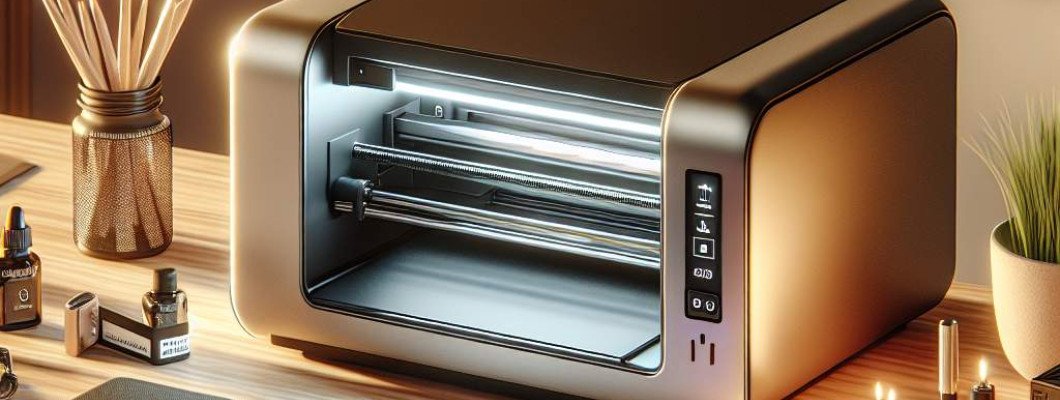
Are you a startup in the customization industry struggling to break through traditional growth barriers? Do you want to stand out in a crowded market with innovative products that attract more customers? If so, you"re not alone. Many emerging businesses are turning to advanced printing technology to unlock new growth opportunities. One game-changing tool gaining popularity is the UV printer, especially when used for multi-material applications. This powerful technology is transforming how startups approach customization, enabling them to deliver complex, high-quality products quickly and cost-effectively.
UV printing has revolutionized the personalization landscape, making it easier to produce vibrant, durable, and intricate designs on a wide variety of materials. For startups, this means breaking free from the limitations of traditional printing methods, opening the door to a world of possibilities. Imagine printing on anything from plastics and glass to metal, wood, and even leather — all with a single device. This versatility helps startups diversify their offerings, attract a broader customer base, and accelerate revenue growth.
Why are UV printers a game-changer for customization startups?
- Multi-material compatibility: UV printers can print on hard, soft, smooth, and uneven surfaces, giving startups the flexibility to create unique products.
- High-quality output: With vibrant colors, high resolution, and precise detail, UV printing produces products that stand out in competitive markets.
- Fast turnaround times: Instant curing means no waiting for inks to dry, enabling rapid production and quick order fulfillment.
- Cost efficiency: Digital processes reduce setup costs and waste, making small batch runs feasible and profitable.
- Eco-friendly operation: UV inks are low in VOCs (Volatile Organic Compounds), aligning with growing consumer demand for sustainable products.
How startups are leveraging multi-material applications to discover new growth paths
Some startups are shifting from traditional manufacturing to highly customized products, thanks to UV printers. Here"s how they"re doing it:
- Personalized accessories: Custom phone cases, jewelry, and gift items that feature intricate logos or designs tailored to individual tastes.
- Promotional items: Promotional merchandise with vibrant branding on diverse surfaces like bottles, keychains, or corporate gifts.
- Home décor: Printing on wood panels, glassware, or decorative plaques to create bespoke interior design elements.
- Small batch manufacturing: Producing limited runs of chocolate molds, fashion accessories, or art pieces with detailed embellishments.
Getting started with UV multi-material printing: practical tips for startups
If you"re considering investing in a UV printer, here are some actionable steps to ensure you leverage this technology effectively:
- Identify your niche: Focus on products that benefit from multi-material printing, such as personalized gifts, promotional items, or specialty packaging.
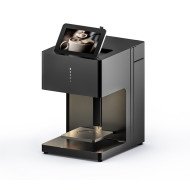
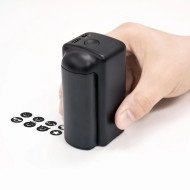
- Choose the right equipment: Look for printers that support a variety of substrates, have high resolution, and are easy to operate. For example, consider UV printers like the GNFEE A3 Spot UV Printing Machine.
- Train your team: Invest in learning how to set up, calibrate, and maintain your printer to ensure premium results every time.
- Test on different materials: Experiment with various surfaces to understand color adherence, ink behavior, and finishing options.
- Create a portfolio: Document your best work for marketing and sales outreach, showcasing your startup"s capabilities.
Addressing common challenges: solutions for startups using UV multi-material applications
While UV printing opens many doors, startups may face hurdles along the way:
- Learning curve: Mastering multi-material printing requires practice. Solution: Engage with manufacturer support, online tutorials, and industry forums.
- Material compatibility issues: Not all substrates respond equally. Solution: Conduct small-scale tests and consult material suppliers for recommendations.
- Initial investment: High-quality UV printers can be costly. Solution: Prioritize scalable models and consider leasing options to manage cash flow.
- Maintenance and ink management: Regular upkeep is essential. Solution: Set a maintenance schedule and keep spare ink supplies ready.
Future trends in UV multi-material printing for startups
As technology advances, several trends are emerging that will further empower startups:
- Increased automation: Automated bed handling and cleaning systems will reduce manual effort and error.
- Expanded material options: Development of more eco-friendly and flexible inks will allow even more creative uses.
- Smaller footprint printers: Compact systems will make UV printing accessible to startups with limited space.
- Integration with digital marketing: Augmented reality previews and online configurators will enhance customer engagement.
Why now is the perfect time for startups to embrace UV multi-material printing
With innovations lowering costs and boosting capabilities, startups today can quickly adapt to market demands. UV printers enable rapid prototyping, smaller batch runs, and personalized batches, giving startups a competitive edge. In a world where customization is king, integrating this technology can unlock unexplored growth paths, transform your product offerings, and expand your customer reach.
For example, a startup owner friend of mine recently launched a line of personalized fashion accessories. They used a UV printer to imprint detailed logos directly on leather and metal pieces. The process was quick, the quality was top-notch, and clients loved the exclusivity. This experience showed them how embracing UV multi-material printing can be a key differentiator in a crowded marketplace.
Interested in exploring this technology further? Check out the UV curing and coating printers available from GNFEE that are perfect for customization startups looking to expand their product capabilities and explore new growth avenues. With the right equipment, your startup can turn ideas into high-quality, market-ready products faster than ever before.
Frequently Asked Questions
1. What materials can a UV printer print on?
UV printers are highly versatile and can print on plastics, metals, glass, wood, leather, ceramics, and some textiles. The specific compatibility depends on the printer model and inks used.
2. How durable are UV printed products?
UV printing produces highly durable prints with excellent scratch, water, and UV resistance, making them suitable for both indoor and outdoor use.
3. Is UV printing suitable for small batch production?
Yes. One of the main advantages of UV digital printing is its ability to handle small batches efficiently, with minimal setup time and cost.
4. What is the typical lifespan of a UV printer?
With proper maintenance, a quality UV printer can last 5-10 years, providing a solid return on investment for startups scaling their operations.
5. How can I learn to operate a UV printer effectively?
Many manufacturers offer training, and there are abundant online resources and communities dedicated to UV printing techniques. Hands-on practice and manufacturer support will also accelerate learning.











Leave a Comment