
Customization economy accelerates as UV printer becomes a core tool for multi-material creative production
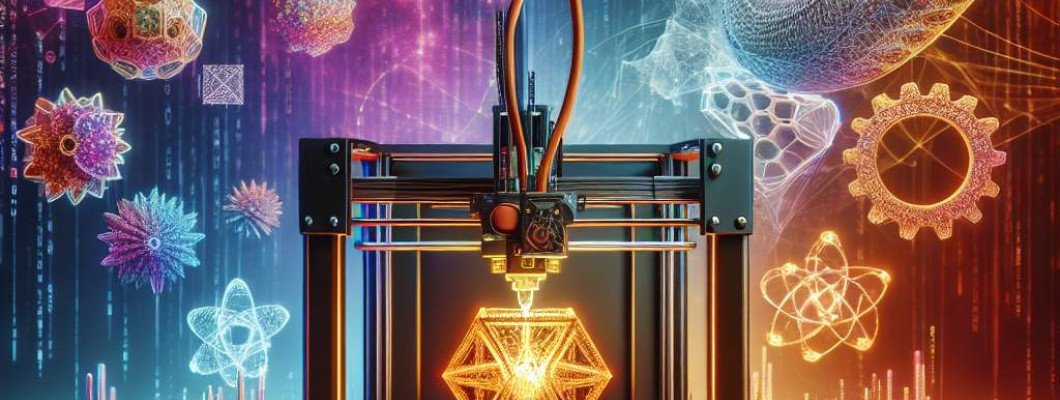
Are you struggling to keep up with the rapid shift toward customized products in today's market? Do traditional manufacturing methods fall short when it comes to producing unique, multi-material designs efficiently? If so, you're not alone. The rise of the UV printer as a core tool in creative production is transforming how businesses approach personalization and small-batch manufacturing, fueling a new customization economy that offers both flexibility and scalability.
In recent years, the evolution of digital printing technology, particularly UV curing printers, has opened doors to assembling complex, multi-material objects that were once difficult or time-consuming to produce. These printers use ultraviolet light to instantly cure inks or coatings onto various surfaces—ranging from plastics and glass to metal and wood—allowing manufacturers to create vibrant, detailed designs without relying on traditional multi-step processes. This capability significantly boosts productivity, reduces costs, and enables rapid customization, fueling the growing demand for personalized products in markets like fashion, interior decor, signage, and promotional items.
Why the UV Printer Is a Game-Changer in Creative Production
- Versatility across materials: UV printers can print directly onto a wide range of substrates, including uneven or textured surfaces, making multi-material projects feasible both economically and efficiently.
- High-resolution and vibrant colors: Achieve intricate, photo-quality images with outstanding color fidelity—an essential factor in attracting customers seeking premium personalized items.
- Instant curing for faster turnaround: The UV curing process stiffens the ink immediately, reducing drying time and enabling quick production cycles, perfect for on-demand manufacturing.
- Eco-friendly and less waste: Digital UV printing minimizes waste and uses environmentally friendlier inks, aligning with sustainable manufacturing trends.
- Cost-effective for small batches: Unlike traditional methods requiring costly setups, UV direct printing reduces minimum order quantities, making low-volume runs economically viable.
Driving the Customization Economy with Multi-Material Creativity
Imagine a local gift shop that now offers personalized, multi-material photo frames, coasters, and jewelry—created seamlessly using a UV printer. Customers love the ability to customize with photos, text, or logos, and the shop can produce these items quickly, in small batches, without sacrificing quality. This is the power of UV printing technology enabling a personalization revolution.
With increased flexibility, companies can experiment with complex designs—like layered textures or multi-color effects—adding value and appeal to their products. For instance, a manufacturer might combine acrylic with wood or glass to create high-end corporate awards or promotional giveaways that stand out in a crowded market. The ability to produce these multi-material, highly detailed items efficiently is rapidly turning the customization economy into a mainstream business driver.
Implementing UV Printing into Your Workflow
Getting started involves understanding the key features to look for in a UV printer:
- Print size: Ensure the device can handle your desired product dimensions.
- Material compatibility: Confirm it supports the substrates relevant to your niche.
- Resolution and color options: Higher quality for detailed, vibrant designs.
- Ease of operation: User-friendly interfaces reduce training time and errors.
- After-sales support and warranty: Critical for minimizing downtime.
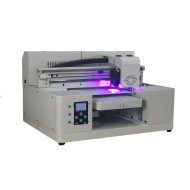
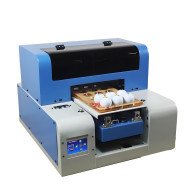
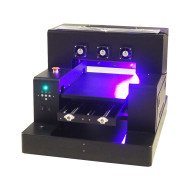
Incorporating a UV printer like those available at this link can dramatically accelerate your production capabilities. Training your team and integrating the technology into your existing manufacturing process are key steps to capitalize on its benefits quickly.
Real-World Success Stories
Take a small business owner who started offering personalized phone cases. In just a few months, they expanded into customized home decor and corporate branding products. The ability to print directly onto various surfaces with high-quality finishes meant they could compete with larger firms without massive investments. Customers now enjoy bespoke items made with faster turnaround times, fostering loyalty and repeat business—an unmistakable sign of how UV printers are transforming the customization economy.
Frequently Asked Questions (FAQs)
- Can UV printers print on all materials? Most UV printers can handle common substrates like plastics, glass, wood, and metal. Check specific model specifications for compatibility.
- Is UV printing environmentally friendly? Yes, as it uses less waste and eco-friendly inks, and produces fewer emissions compared to traditional printing methods.
- What is the basic cost of a UV printer? Entry-level models start around a few thousand dollars, but prices vary based on size, capacity, and features.
- How durable are UV printed products? UV inks are highly resistant to fading, scratches, and weathering, making them suitable for both indoor and outdoor use.
- Can I produce high-volume orders with UV printers? While ideal for small to medium batches, high-volume production depends on the printer"s speed and your workflow capacity. For large runs, consider multiple units or hybrid solutions.
Integrating UV printing technology empowers your business to meet the increasing demand for customized, multi-material creations. With the right equipment, you can elevate your product offerings, satisfy customer preferences, and thrive in the ever-expanding customization economy.



Leave a Comment