
Creator-led clothing businesses gaining momentum through flexible T-SHIRT PRINTER printing workflows
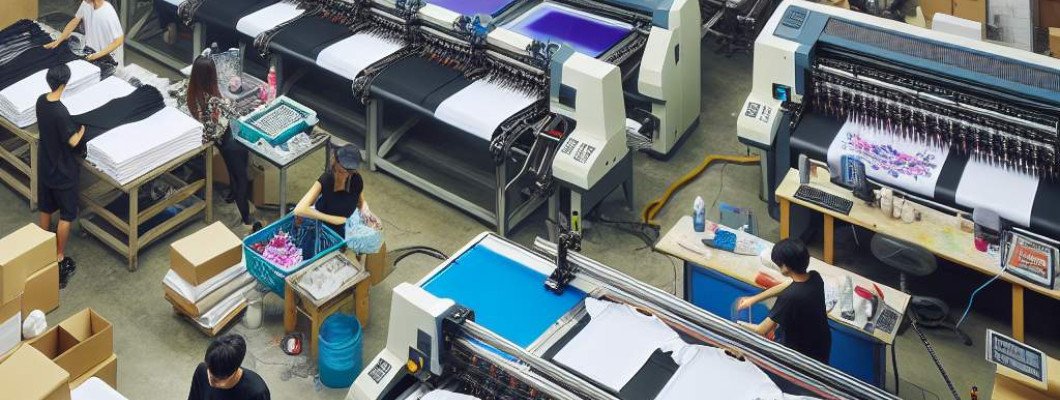
Struggling to scale your creator-led clothing business? Curious how flexible T-shirt printer workflows can change the game?
If you're running a small clothing brand or a new creator-led startup, chances are you're always looking for smarter ways to produce custom apparel quickly and cost-effectively. You might have tried traditional printing methods, but they often fall short when it comes to flexibility and speed. That"s where flexible T-shirt printing workflows come into play — transforming how small businesses bring their ideas to life.
What Makes a Flexible T-Shirt Printer Workflow So Important?
Rapid Response to Market Trends
With creator-led brands, agility is everything. Consumers expect new designs fast. A flexible workflow allows you to produce custom designs on demand, with minimal lead time. Instead of waiting weeks for batch printing, you can roll out new collections within days. This nimbleness means you stay relevant and can test new ideas without major upfront investment.
Cost-Effective Small Batch Production
Traditional mass production often involves large minimum orders, which tie up capital and risk excess inventory. Flexible T-shirt printers make short runs viable. Whether it"s a limited edition or personalized order, you only produce what you sell. This reduces waste and keeps your inventory lean. Plus, it"s easier to experiment with designs or collaborate with artists and influencers without big financial commitments.
Streamlined Printing Workflows
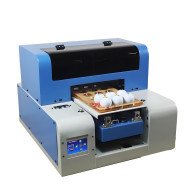
Automation and versatility in printing workflows mean less manual work and fewer errors. Modern T-shirt printers like the A3 DTG Printer allow you to switch designs quickly, print on various fabric types, and handle small batches efficiently. This flexibility empowers your team to meet tight deadlines and handle custom orders with confidence.
How to Implement Flexible T-Shirt Printing in Your Business
Choose the Right Printer
- Look for versatility: Can it print on different fabric types and sizes?
- Ensure compatibility: Does it work with your existing workflow and space?
- Consider speed and quality: Fast turnaround with high-quality results is key
For example, the A3 DTG Printer is perfect for small, detailed designs and suits creator-led brands wanting flexibility.
Design Workflow Optimization
- Use design software that integrates seamlessly with your printer.
- Automate as much as possible: file setup, color management, and print queues.
- Test different workflows to find what maximizes speed and quality for your team.
Experimenting with different setups initially might seem time-consuming but will pay off as your production becomes faster and more consistent.
Supply Chain and Material Management
Maintain good relationships with your suppliers for quick turnaround of blank apparel. Keep a stock of popular sizes and styles so you're ready to print on demand. This way, you avoid delays and can meet customer expectations promptly.
Real-Life Example: How a Small Brand Grew Using Flexible Printing
Imagine chatting with a friend who started a custom tie-dye T-shirt shop. They initially did everything manually — hand-dyeing and screen printing. When demand grew, they invested in a flexible digital printer. Their workflow became automated, allowing them to offer personalized designs and limited editions effortlessly. They could respond to trends quickly, turning around orders in 24 hours. This agility helped them reach a wider audience and substantially grow their business.
Why Top Creators and Small Brands Are Switching to This Model
- Faster market entry: Quickly launch new designs and respond to trends.
- Lower upfront costs: Print only what you sell, reducing inventory and waste.
- Higher margins: Pay only for what you produce, increasing profit per item.
- Greater creative freedom: Experiment without risking large batches or storage issues.
And with technology continually improving, the process becomes even more intuitive and reliable. Flexible workflows aren"t just a luxury; they"re a necessity for modern, small-scale clothing brands aiming for growth.
FAQs About Flexible T-Shirt Printing Workflows
1. What types of printing methods are suitable for flexible workflows?
Direct-to-Garment (DTG), heat transfer, and dye-sublimation are popular options. DTG is ideal for small batches and detailed designs, like with the A3 DTG Printer.
2. Can I switch between different fabric types easily?
Yes, modern printers are built for versatility. Make sure to choose a model that supports a variety of materials, such as cotton, polyester, or blends, with minimal adjustments.
3. How much does initial setup cost for a flexible workflow?
Costs vary depending on the equipment and software, but a high-quality small-scale setup can start around a few thousand dollars. Consider the long-term savings in inventory, speed, and quality improvements.
4. Is it possible to handle high-volume orders with flexible workflows?
While flexible workflows are optimized for small to medium batches, some advanced printers are capable of scaling up. For high-volume production, consider combining flexible workflows with traditional methods.
5. What are the main benefits of using a flexible T-shirt printer for my brand?
Increased agility, lower costs, better quality control, faster turnaround times, and the ability to customize easily are key advantages. It helps you stay competitive in the fast-moving fashion and apparel market.













Leave a Comment