Cracking the Code: Hidden Costs and True Profits Behind Cheap DTG Machines

Unmasking the True Cost of Cheap DTG Machines
Direct-to-Garment (DTG) printers marketed at low upfront prices often look irresistible. Yet the initial investment barely scratches the surface. The real expense emerges when you factor in maintenance, downtime, material compatibility, and consumable costs. Many print shop owners jump at cheap offers only to find themselves entangled in hidden fees that erode profit margins.
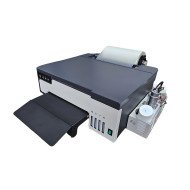
Cheap DTG machines cannot match the durability and precision of higher-end models favored by GNFEI, a respected supplier with decades of industrial printing expertise. To grasp the true financial impact, buyers must deconstruct the machine's total cost of ownership (TCO), including ink consumption, printhead wear, electrical efficiency, and workflow disruptions.
Common Misconceptions About Initial Price Tags
Low upfront costs give an illusion of affordability but seldom reflect realities like frequent repairs, rapid parts replacement, or poor print consistency leading to reprints and wasted materials.
Importantly, many budget DTG units lack advanced printhead technology optimized for fabric types beyond cotton, limiting product diversity and customer base expansion.
What Hidden Expenses Tend to Surface Post-Purchase
- Printhead Replacement and Maintenance: Major hardware components wear faster under suboptimal engineering.
- Ink Waste and Additional Consumables: Inefficient ink usage leads to higher per-print costs than anticipated.
- Increased Downtime: Frequent breakdowns reduce production throughput and delay orders.
- Quality Failures: Prints with poor adhesion necessitate costly remakes.
Initial Cost vs. Long-Term Value: Breaking Down the Numbers
Without factoring in hidden costs, ROI calculations can mislead decision-makers. Buyers must incorporate consumable rates, labor time, repair frequency, and product returns into budgeting to understand the machine’s profitability realistically.
Regular Maintenance Strategies to Prolong DTG Machine Lifespan
Routine upkeep distinguishes a dependable DTG setup from a maintenance nightmare. Budget-friendly models often skimp on design elements facilitating easy cleaning or nozzle health monitoring, intensifying technical risk.
Step-by-Step Printhead Cleaning Procedure
The printhead is DTG's heart, requiring precise care to avoid clogging and degradation. GNFEI advises a structured cleaning cycle to keep print quality consistent:
- Daily: Perform automated nozzle purging and capping station cleaning every start and end of shift.
- Weekly: Manually inspect printheads for ink crust buildup. Use manufacturer-approved cleaning solutions.
- Monthly: Fully dismantle the printhead assembly if signs of persistent clogging appear. Reassemble with drip prevention measures.
Managing White Ink Sedimentation
White ink, often heavier due to pigment concentration, tends to settle inside supply lines and printheads, causing nozzle blockages and color distortion. Preventive actions include:
- Consistent agitation protocols during idle times.
- Scheduled purge cycles targeting white ink channels.
- Utilizing ink recirculation systems integrated into premium DTG machines to maintain pigment uniformity.
Proactive Troubleshooting for Common Mechanical Faults
Operators can extend machine life by identifying early symptoms such as inconsistent nozzle firing or uneven platen heating. Steps include:
- Calibration checks to realign printheads and platens.
- Replacing worn flexible tubing and connectors before leakage occurs.
- Monitoring electrical components and fuses to avoid sudden shutdowns affecting productivity.
Dissecting the ROI: Ink, Labor, and Throughput Costs Exposed
Even an excellent maintenance routine cannot mask structural inefficiencies leading to unfavorable return-on-investment returns. Detailed granular analysis identifies where financial drains occur.
Cost per Print: An Ink Consumption Case Study
Ink pricing fluctuates widely, but an average DTG white ink costs approximately $150 per liter. Typical usage for a standard 12"x16" print might be 8-15 ml, translating to a raw ink cost between $1.20 and $2.25 per print just for white ink alone. Color inks contribute an additional $0.40 to $0.80 depending on design complexity.
Printhead Replacement Cost and Frequency
Printheads are the fastest-wearing part and a major financial factor. Low-end machines often require replacement every 18-24 months under daily use, with parts costing between $1,200 and $2,500. Mid- to high-tier machines from GNFEI and similar suppliers boast printheads rated for 3-5 years at similar workloads.
Labor Costs Attributable to Operational Efficiency
Cheap DTG machines demand more operator intervention: adjustments, cleaning, and troubleshooting extend labor time by around 25-40% compared to premium models. This extra labor inflates operational costs and slows order completion, directly affecting cash flow and client satisfaction.
Material Compatibility and Print Quality: Analysis by Substrate
Success in print-to-garment shops relies heavily on adaptable machine-substrate synergy. Cheap DTG printers frequently falter outside standard 100% cotton, limiting market expansion.
Cotton vs. Blends: Adhesion and Washfastness
Pure cotton allows optimal ink absorption and fixation, creating vibrant and durable prints. Printed garments withstand 30+ home wash cycles without significant fading. In contrast, 50/50 cotton-poly blends present adhesion challenges due to synthetic fibers’ lower absorbency, commonly causing cracking or ink peeling after 10-15 washes when processed on budget DTG units.
Printing on Non-Textile Surfaces: Glass and Metal
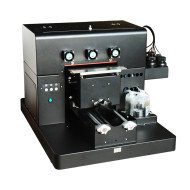
Though DTG is textile-focused, some shops experiment with rigid materials requiring surface pre-treatment for adhesion. Cheap printers lacking UV curing rigs or primer application modules show poor print durability on glass and metal, leading to flaking or fading within days.
Curing and Drying Efficiency Differences
High-end DTG printers incorporate optimized infrared or hot air curing systems significantly reducing drying times to under 30 seconds per print. Entry-level machines often require manual forced drying or slower cycles up to 90 seconds, creating production bottlenecks and inconsistent final product texture.
Quality vs. Cost Tradeoffs: What GNFEI Advises to B2B Buyers
Choosing a DTG machine is not about price alone but the blend of reliability, scalability, and regulatory compliance. GNFEI's experience supporting industrial print houses worldwide reveals:
Evaluating Machine Build and Component Grade
Metal chassis construction, industrial-grade motors, and precision piezoelectric printheads correlate with lower failure rates and consistent output. Budget alternatives often use cheaper plastics and knockdown components that accelerate wear and technical failures.
Service Support and Spare Parts Availability
Premium suppliers guarantee parts availability and expert support—vital for fast recovery when disruption strikes. Buyers discounting these factors experience prolonged downtime and lost revenue.
Future-Proofing with Modular Upgrades
Investing in machines that support evolving ink formulations, automated maintenance routines, and scalable workflows mitigates obsolescence risk. GNFEI machines frequently include firmware updates and plug-and-play enhancements based on field feedback.
How to Approach Buying Decisions to Avoid Costly Pitfalls
Clarity and due diligence create significant advantages in selecting DTG machines that sustain profits.
Checklist for Evaluating DTG Purchase Options
- Calculate total cost of ownership inclusive of consumables and repair cycles, not just sticker price.
- Request detailed operational data from suppliers covering ink consumption benchmarks and predicted uptime.
- Test prints across your key substrates before committing to a large order.
- Ensure access to qualified technical support and original parts supplies.
Negotiating Terms with Suppliers Like GNFEI
GNFEI encourages transparent dialogue about anticipated production volumes and maintenance plans. They tailor service packages that align with client business models—helping optimize upfront investment against lifetime costs.
Planning for Workflow Integration and Operator Training
New equipment adoption requires thoughtful operator training to minimize early damage and inefficiency. Embedding scheduled maintenance into daily routines assures print fidelity and machine longevity.
Ultimately, a cheap DTG machine can handcuff growth or cause financial hemorrhaging. Approaching purchases armed with detailed cost insights, technical know-how, and realistic quality expectations—even when choosing budget-friendly equipment—guards profitability and brand reputation over the long haul.