Complexities of UV Spare Parts in Industrial Settings
The Industrial Reality
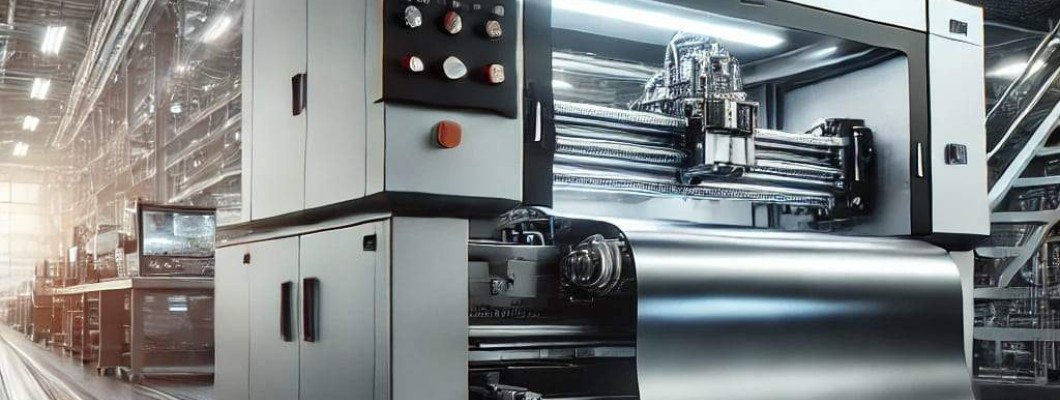
In modern industrial environments, UV printing technologies have gained immense traction due to their ability to deliver high-precision outputs and durability on various substrates. Yet, an often overlooked aspect is the complexity that comes with maintaining these systems, particularly when it involves the use and replacement of UV spare parts. Imagine an assembly line where a sudden failure in UV curing systems disrupts the entire workflow, leading to considerable downtime and operational bottlenecks. Companies must navigate the intricacies of identifying and sourcing high-quality spare parts, understanding distinct specifications, and implementing efficient lifecycle maintenance protocols.
Technical Deep-Dive
Understanding UV Curing Systems
UV curing systems rely on ultraviolet light to initiate photochemical reactions, rapidly drying inks or coatings. These systems are complex, involving multiple components such as lamps, reflectors, and cooling devices. The technical challenge lies in maintaining wavelength precision, generally around 365-395 nm, critical for consistent curing results.
Hardware Comparison: Spare Parts Quality
Key spare parts include UV lamps and reflectors. A UV lamp's lifespan, measured in hours, and its output in Watts are vital parameters. A high-end lamp might offer 1000 hours of operation, whereas a mid-range alternative may only last 700 hours.
| Spare Part | Lifespan (Hours) | Power Output (Watts) |
|---|---|---|
| High-End UV Lamp | 1000 | 120 |
| Mid-Range UV Lamp | 700 | 100 |
Operational Flexibility and Maintenance
The modularity of UV systems increases operational flexibility but can introduce complexity in maintenance. The cooling systems, often overlooked, play a crucial role in preventing overheating, a common cause of premature component failure. Thermal management must be optimized to sustain systems within 25-30°C.
Raw Data Analysis
A hypothetical analysis shows that investing in high-quality spare components can lead to a 20% reduction in downtime, directly translating into increased throughput. For example, in a production line managing 500 items per hour, reducing downtime from 10% to 5% significantly impacts overall productivity.
Hidden Operational Bottlenecks
Identifying bottlenecks involves not just hardware, but also the related software ecosystem that drives UV curing. Outdated software can fail to integrate seamlessly with hardware upgrades, necessitating expensive system overhauls.
Scenario Analysis
Small-Scale Workshop
In a small-scale setting, spare part replacements are often reactive rather than proactive. A failing component might halt production entirely. Anticipating these needs by stocking high-quality spare parts ensures continuity.
Medium Enterprise
Medium-sized enterprises benefit from predictive maintenance models, using IoT sensors to monitor the functional health of UV systems, significantly reducing operational disruptions.
Large Industrial Facility
For large-scale operations, integrating an ERP system that tracks spare part inventory and forecasts usage can lead to strategic advantages, minimizing storage overheads and ensuring timely availability.
Expert FAQ
How Do UV Systems Affect Moisture Control?
UV systems can efficiently control moisture levels in substrates, enhancing final product quality.
What Is the Impact of Lamp Wavelength on Curing?
Wavelength precision is crucial for optimal curing results. Variations might affect ink adhesion and durability.
Why Is Thermal Management Critical?
Proper thermal management prevents overheating, which can lead to component failures and reduced system lifespan.
Can Spare Parts Compatibility Affect System Performance?
Absolutely. Using incompatible parts can lead to inefficiencies and failure, impacting overall throughput.
What Role Does Software Play in Spare Parts Management?
Software is vital for integrating hardware upgrades, ensuring seamless operation and compatibility.
Strategic Verdict
The trajectory of UV spare parts technology is evolving towards more integrated and smart systems that anticipate maintenance needs and optimize operational efficiency. By investing in high-quality spare components and leveraging predictive technologies, businesses can minimize disruptions and maximize returns.