
Comparing Methods: dtg vs screen printing vs sublimation printer for t-shirts
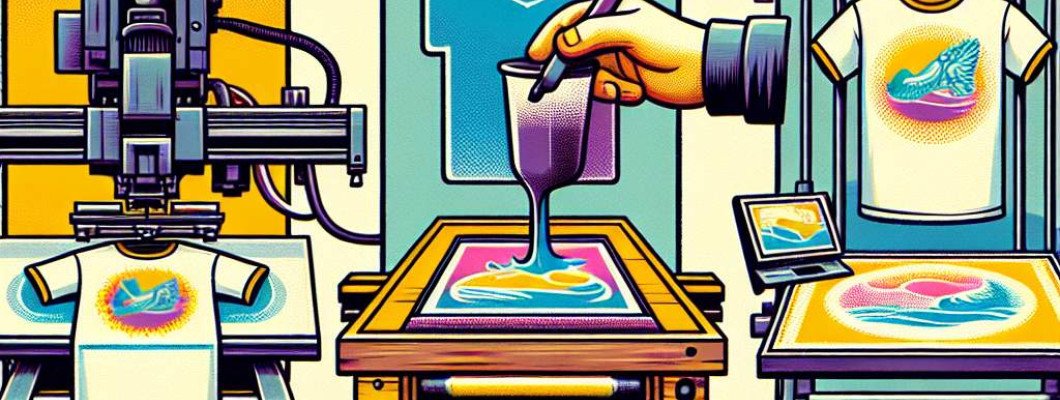
Comparing Methods: DTG vs Screen Printing vs Sublimation Printer for T-Shirts
Creating custom t-shirts is an ever-evolving craft that combines artistry, technology, and business acumen. Whether you"re a small startup, a hobbyist, or an established apparel brand, understanding the differences between various printing methods is essential for producing high-quality, cost-effective, and durable products. The three main techniques dominating the market today are Direct-to-Garment (DTG), screen printing, and sublimation printing. Each method has unique advantages and limitations, making them suitable for different types of designs, order quantities, and budgets. In this comprehensive comparison, we"ll explore each technique to help you make an informed decision for your t-shirt printing needs.
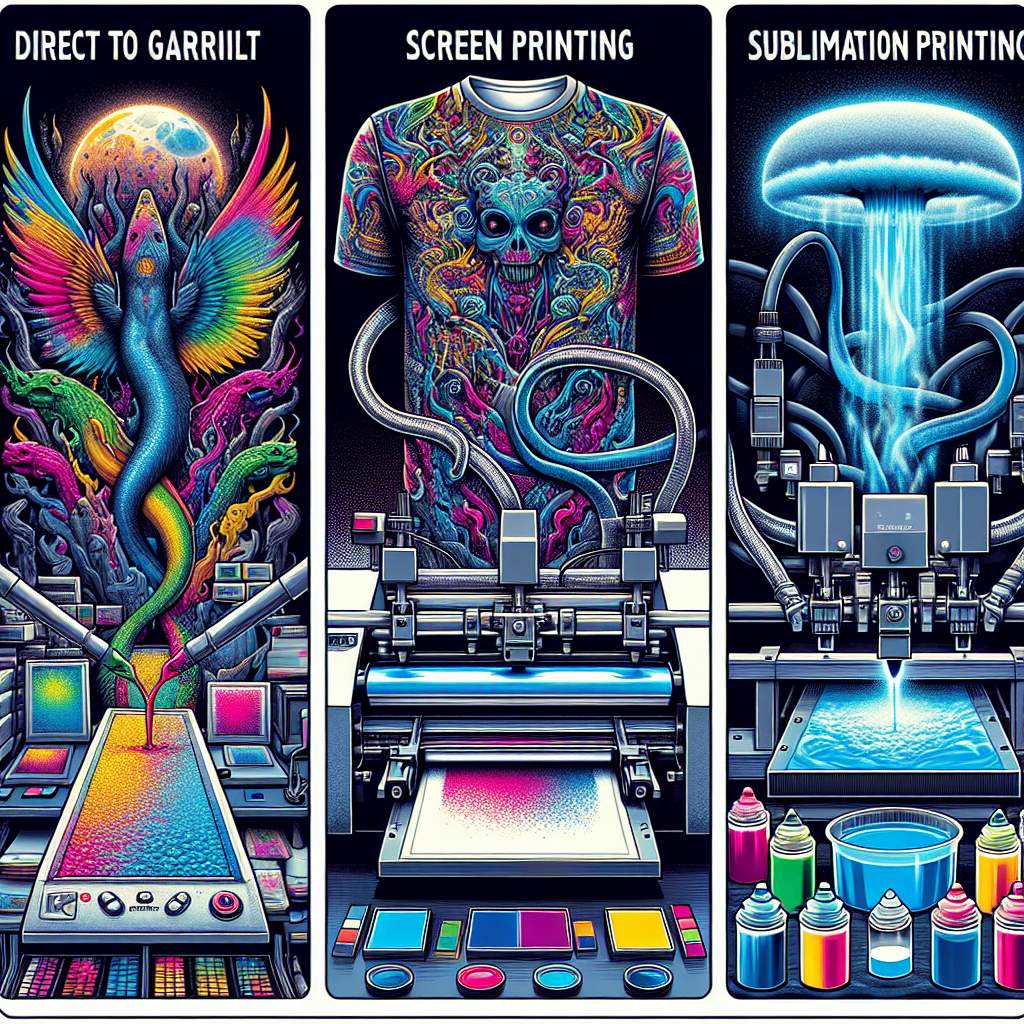
What is Direct-to-Garment (DTG) Printing?
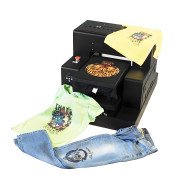
DTG printing is a relatively modern technology that uses specialized inkjet printers to directly apply detailed and vibrant images onto fabric. It functions much like a standard desktop printer but is engineered specifically for textiles. The process involves pretreating the shirt with a solution that helps the ink adhere better, followed by printing the design directly onto the fabric and a curing process to set the ink. One of the primary benefits of DTG printing is its capability to reproduce intricate, high-resolution images with a wide color spectrum. This makes it ideal for detailed photographic designs, multicolored artwork, or small batch customized orders.
Advantages of DTG
- High Detail & Color Accuracy: Perfect for complex artworks and images with subtle color gradations.
- No Minimum Orders: Suitable for one-offs or small runs without significant setup costs.
- Fast Turnaround: Printing and curing are relatively quick, enabling rapid production.
- Soft Feel: Since the ink penetrates the fabric, the print feels more natural and less bulky.
Limitations of DTG
- Cost: The initial investment in a high-quality DTG printer can be substantial, plus ongoing maintenance and ink costs.
- Fabric Restrictions: Works best on 100% cotton or high cotton-content fabrics; other materials may not produce optimal results.
- Durability: May not be as durable as screen printing on certain fabrics without proper curing and finishes.
What is Screen Printing?
Screen printing, also known as silk screening, is one of the oldest and most traditional methods of textile printing. It involves creating a stencil (or mesh screen) for each color in a design, then pushing ink through the screen onto the fabric. This technique is highly effective for producing bold, vibrant images with excellent durability, especially for larger quantities. The process is preferred for bulk orders, promotional apparel, or when uniformity across multiple shirts is essential.
Advantages of Screen Printing
- Cost-Effective for Large Orders: The setup cost can be amortized over many shirts, making it economical for extensive runs.
- Vibrant and Durable Prints: Thick ink layers produce vivid colors and excellent longevity, resistant to washing and fading.
- Wide Range of Inks: Options include plastisol, water-based, and specialty inks for effects like glow-in-the-dark or metallic finishes.
Limitations of Screen Printing
- Setup Time & Cost: Creating screens is time-consuming and costly for short runs, which isn"t economical for small batches or custom orders.
- Design Complexity: Intricate or multicolored designs require multiple screens, increasing production time and expense.
- Limited to Opaque Designs: Light-colored shirts may require underlays or special inks, adding complexity.
What is Sublimation Printing?
Sublimation printing is a heat transfer process that uses specialized sublimation inks. It involves printing your design onto a transfer paper, then using heat and pressure to convert the ink into gas, which bonds with the polyester fibers in the fabric. This technique results in vibrant, full-color, all-over prints with a smooth finish. It is especially popular for producing high-quality, photo-realistic designs on polyester apparel and items like mugs or banners.
Advantages of Sublimation
- Vivid, All-Over Prints: Allows for seamless, edge-to-edge designs that cover the entire surface of the garment.
- Durability: Since the ink becomes part of the fabric, prints won"t crack, peel, or fade over time.
- Clear and Detailed Images: Excellent for photographic images and complex designs.
Limitations of Sublimation
- Material Restrictions: Only works on polyester or polymer-coated surfaces; cotton shirts are incompatible.
- Initial Cost: Sublimation printers and inks are costly, which can be a barrier for hobbyists or small businesses.
- Limited Color Options: Not suitable for dark-colored shirts unless special coatings are used.
Choosing the Right Method for Your Needs
Deciding between DTG, screen printing, and sublimation hinges on several factors: order size, design complexity, budget, and material preference. For small, highly detailed, and colorful designs, DTG offers unmatched flexibility with minimal setup. If you plan to produce vast quantities of simple designs or logos with bold colors, screen printing remains the most economical choice. For all-over, vibrant, photographic prints on polyester fabrics, sublimation provides a stunning finish with durability.
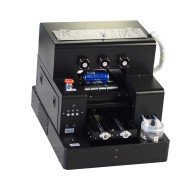
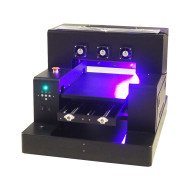
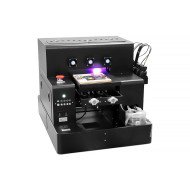
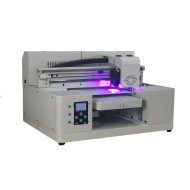
Additionally, consider the fabric type and intended longevity of your prints. For example, if you're creating custom apparel for a corporate event or promotional campaign requiring durability and consistency, screen printing may be your best choice. On the other hand, if you're focusing on one-off artistic designs or personalized gifts, DTG or sublimation might serve your needs better. For those interested in exploring high-end, feature-rich direct-to-garment printing technology, check out this excellent A3 DTG Printer that combines quality and efficiency.
Final Thoughts
Understanding the unique strengths and limitations of DTG, screen printing, and sublimation ensures you make informed decisions that align with your production goals. Whether you"re crafting detailed art, large batches of simple logos, or vibrant full-color designs, selecting the right method can save you time and money while delivering superior results. It all comes down to matching your project's requirements with the right technique. Remember, each method has a place in the world of t-shirt printing—knowledge is power when it comes to creating standout custom apparel. Happy printing!


Leave a Comment