
Coffee Printer Workflow Tips for High-Traffic Commercial Environments

Are You Struggling to Keep Up with Coffee Printer Workflow During Peak Hours?
Working in a busy coffee shop or commercial environment, you know how important it is to deliver top-quality coffee shots, even when the crowd is massive. But have you ever found yourself overwhelmed trying to keep the coffee printer running smoothly? If so, you're not alone. Managing a high-traffic environment requires a solid workflow, especially when printing intricate designs or custom labels on coffee cups.
In this post, I"ll share proven coffee printer workflow tips for high-traffic commercial environments. These are practical steps that can help you boost efficiency, reduce errors, and keep customers happy — even when your line stretches around the block. So, let"s get into it.
Understanding the Challenges of High-Traffic Coffee Printing
Why Does Workflow Break Down?
In a busy setting, the main issues often include bottlenecks in the printing process, inconsistent print quality, and equipment mismanagement. When multiple staff members handle the printer without clear procedures, mistakes happen. Plus, stress and rush hours lead to hurried actions that may compromise quality.
Think about it like this: You"re chatting with a friend who owns a coffee shop. They told me that during morning rush, staff would sometimes forget calibration steps or skip cleaning routines, leading to print errors or machine jams. That just shows how vital a clear workflow is to slide through busy hours smoothly.
Key Workflow Tips for High-Traffic Coffee Environments
1. Standardize Your Printing Procedures
- Create step-by-step SOPs (Standard Operating Procedures) for setup, printing, cleaning, and troubleshooting.
- Use visual guides or quick-reference checklists near the printer.
- Train every staff member thoroughly and refresh regularly.
This ensures everyone is on the same page. When everyone knows the steps, errors decrease, and speed increases. For example, always calibrate the printer before the shift starts — don"t skip it, even when you're late!
2. Optimize the Printer Setup and Maintenance
- Pre-set print profiles for different jobs to save time.
- Schedule regular maintenance and cleaning shifts — don"t wait for a jam or error.
- Keep consumables, like ink and specialty paper, stocked at all times.
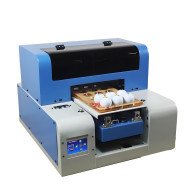
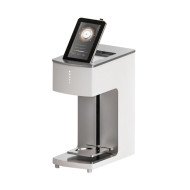
A friend told me that switching to automated cleanings reduced downtime significantly. It"s a small step that makes a big difference during packed hours. For more info, check out this 3D Latte Coffee Printer.
3. Streamline the Printing and Cup Handling Workflow
- Design a "print zone" and a "cup prep zone". Have clearly designated areas to avoid chaos.
- Implement a batching system for printing orders—print multiple cups in a row instead of one by one.
- Use color-coded cups or labels for different print jobs to speed up selection.
Imagine a line of carefully organized cups, each with a different design queued up, ready to go. That keeps things moving fast and reduces mistakes.
4. Invest in Training and Cross-Training Staff
During busy hours, you need everyone to know how to troubleshoot minor issues. Cross-training staff ensures that if someone is busy or unavailable, someone else can step in without a hitch. Conduct quick training sessions on common printer issues or print design adjustments.
This way, no one"s left scratching their head, and the workflow stays smooth. Think of it like everyone being a backup for the printer — it pays off during rushes.
Leverage Technology To Boost Efficiency
Automation and Software
If you"re serious about high throughput, look into software solutions that automate parts of the workflow. For example, pre-loading design templates or setting default print parameters can save precious seconds per unit.
Some advanced coffee printers allow remote control or queued printing from tablets — no need to get up to manually start each job. This reduces errors and speeds things up.
Check out this Food Printer for integrated options that can handle complex designs efficiently.
Monitoring and Continuous Improvement
Track Your Metrics
- Record print times and error rates during different shifts.
- Identify bottlenecks or frequent errors.
- Use this data to refine procedures and training.
In one case, I worked with a cafe that started tracking errors. They found most issues happened during specific times, so they adjusted staffing and cleaning schedules accordingly. Small tweaks like this make a big difference.
FAQs About Coffee Printer Workflow Optimization
- What"s the most common printer mistake in busy environments? Most errors happen due to inadequate calibration or skipping cleaning routines. Regular checks prevent this.
- How can I speed up print setup during rush hours? Use pre-set profiles and batch printing; prepare templates in advance.
- What maintenance tips help reduce downtime? Schedule routine cleaning, keep spare parts handy, and log machine performance for early detection of issues.
- Can automation really save time? Yes, especially with advanced software that automates design loading, calibration, and printing queues.
- How do I train my staff for high-volume printing? Conduct quick refresher sessions and create easy-to-follow guides/posters near the machine.






Leave a Comment