
Coffee Industry Sustainability Trends Inspire Edible Ink Advances in Coffee Printer Technology

In recent years, the coffee industry has undergone a remarkable transformation driven by a growing emphasis on sustainability and eco-conscious practices. As global coffee consumption continues to rise, so does the responsibility of roasters, cafes, and manufacturers to adopt environmentally friendly approaches. One of the most exciting innovations springing from this green movement is the development of edible ink technologies integrated into coffee printers. These advances not only promote sustainability but also open new avenues for creative coffee presentation and branding, appealing to both consumers and industry professionals alike.

The shift towards sustainability in the coffee sector is fueled by increasing awareness of environmental issues such as deforestation, water scarcity, and carbon emissions. Coffee producers are now exploring more sustainable farming techniques, including shade-grown coffee, organic cultivation, and better waste management practices. Simultaneously, equipment manufacturers are innovating with eco-friendly materials and energy-efficient designs to reduce the carbon footprint of coffee processing and packaging processes. Among these technological evolutions, edible ink-based coffee printers stand out as a perfect example of how innovation and sustainability can come together.
Edible ink technology in the coffee industry is revolutionizing how coffee brands communicate with their customers. Traditional printed images on coffee cups or latte art are popular, but they often involve non-biodegradable inks or materials that may impact the environment. The introduction of edible inks, made from natural, food-grade ingredients, aligns perfectly with sustainable practices. These inks are biodegradable, non-toxic, and derived from renewable resources, making them a safer and greener alternative. Coffee printers equipped with edible ink technology allow baristas and brands to create intricate designs, logos, and messages directly on coffee drinks without generating waste or using harmful chemicals.
Another aspect fueling this trend is consumer demand for personalized and unique coffee experiences. Customers increasingly seek out cafes and brands that endorse sustainability while offering innovative, Instagram-worthy presentation styles. Edible ink printers can reproduce detailed artwork, branding logos, or seasonal themes directly onto the coffee"s surface, elevating the customer experience while reinforcing a brand"s commitment to eco-consciousness. These printers are now more affordable, compact, and easy to operate, making them accessible to small cafes, large chains, and even home baristas eager to push the boundaries of coffee presentation.
Technological advancements in coffee printers incorporate eco-friendly materials in manufacturing, such as biodegradable plastics and energy-efficient components. Modern edible ink cartridges are designed to last longer and produce consistent, vibrant results, reducing waste. Moreover, innovations in software allow for seamless customization and quick turnaround times, enabling businesses to adapt to seasonal campaigns or special events effortlessly. The integration of sustainable practices into coffee printing technology continues to evolve, promising a future where environmental responsibility is a standard feature rather than an exception.
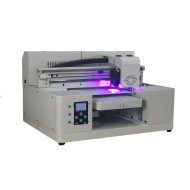
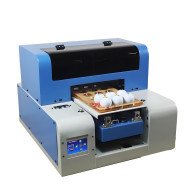
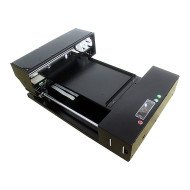
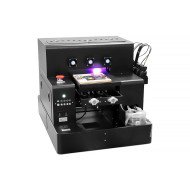
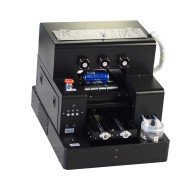
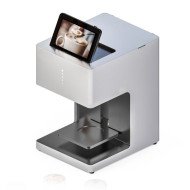
For companies interested in exploring these cutting-edge solutions, the [3D Latte Coffee Printer Food Printer](https://www.gnfei.com/products/3d-latte-coffee-printer-food-printer.html) offers a comprehensive option. This device combines high-resolution printing with eco-friendly edible inks, empowering baristas and brands to craft visually stunning coffee beverages that captivate customers while maintaining sustainable integrity. Whether for ceremonial latte art or personalized gifts, this technology brings creativity and environmental responsibility together in every cup.
Beyond aesthetics, the adoption of edible ink printers also enhances the sustainability profile of coffee businesses by reducing waste and chemical use. Traditional printing methods often involve non-biodegradable packaging or inks that require careful disposal. In contrast, edible inks are made from natural ingredients, ensuring they are safe for the environment. As coffee companies continue to prioritize green initiatives, they are integrating these printers as part of their broader sustainability strategies—reducing waste, lowering energy consumption, and promoting eco-friendly branding efforts. This holistic approach aligns with the global movement towards greener, more sustainable industries.
Moreover, these technological innovations contribute to a circular economy within the coffee sector. By utilizing biodegradable inks and promoting reusable or recyclable packaging concepts combined with interactive digital branding, businesses can minimize their environmental impact. The excitement around edible ink printing also encourages collaboration between culinary artists, technologists, and environmental advocates to push boundaries further and develop even more sustainable solutions. The potential for continuous improvement in material science and digital design promises exciting developments in the years ahead.
Overall, the convergence of sustainability trends and innovative printing technology is reshaping the landscape of the coffee industry worldwide. Not only do these advancements serve to reduce ecological footprints, but they also offer new branding and marketing opportunities that resonate with modern, eco-conscious consumers. As more cafes and large brands adopt edible ink coffee printers, the industry moves closer to a sustainable model that emphasizes creativity, sustainability, and quality. This evolution embodies a future where coffee not only powers your day but also reflects a commitment to safeguarding our planet. Whether you're an industry professional or a curious coffee lover, embracing these innovations can enhance your appreciation for the artistry and responsibility behind every cup.










Leave a Comment