
Choosing a UV Printer That Aligns with Real Production Scenarios
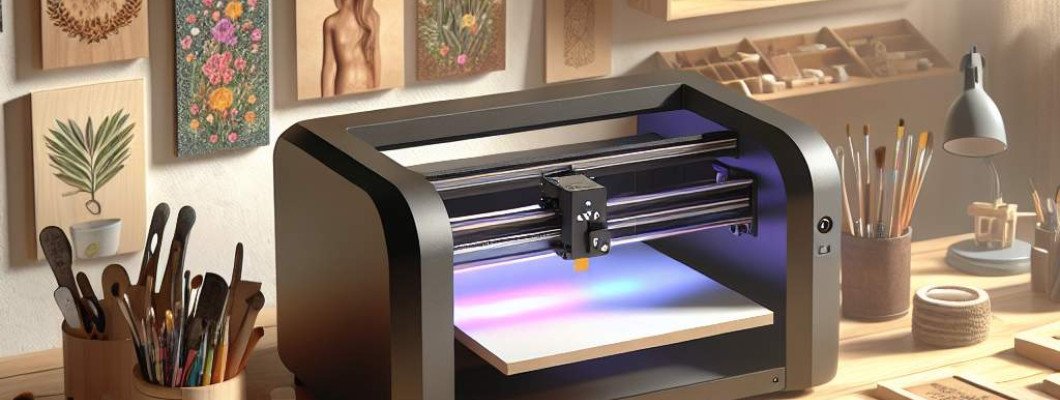
Struggling to find the right UV printer that fits your actual production needs? You're not alone. Many businesses dive into UV printing without fully understanding how to align the equipment with their everyday workflows. The key to success lies in choosing a UV printer that enhances productivity, maintains high quality, and adapts to your specific manufacturing scenarios. If this resonates with you, read on to discover how to select a UV printer that truly matches your operational demands.
Understanding Your Production Scenario
The first step is assessing your current production environment. Are you printing small batches or large volumes? Will you be working with rigid substrates like glass or plastic, or flexible materials such as banners and fabrics? Your answers influence the type of UV printer you need.
For example, if you run a custom promotional items business specializing in short runs, a compact UV flatbed printer with quick setup times might be ideal. Conversely, a high-volume manufacturer producing myriad items daily might require a larger, faster system with advanced automation features.
Key Factors to Consider When Choosing a UV Printer
- Throughput Capacity: How many items do you process daily? Ensure your chosen UV printer can handle your volume without bottlenecks.
- Print Size and Substrate Compatibility: Match the maximum printing area to your typical product sizes. Check your materials—rigid, flexible, or both—are compatible with the printer.
- Print Resolution and Quality: Decide on the level of detail required. Higher resolution delivers crisper images but may slow down production—balance speed with quality.
- Speed and Efficiency Features: Look for features like multi-layer printing, automatic ink loading, and fast curing technology to enhance productivity.
- Ink Compatibility and Cost: Confirm the printer supports inks suitable for your substrates. Also, consider ongoing ink costs and shelf life.
- Ease of Use and Maintenance: User-friendly interfaces and minimal downtime for maintenance save time and reduce frustration.
- Environment and Space: Ensure your workspace accommodates the printer's size and ventilation needs for UV curing components.
Aligning the UV Printer with Specific Production Scenarios
Let's explore a few typical scenarios:
Scenario 1: Custom Gift and Promotional Items
If you produce personalized gifts, trophies, or promotional products, flexibility is key. Choose a UV printer with high-resolution capabilities to produce detailed designs on diverse surfaces — wood, metal, glass, or plastic. High speed and quick changeover features can help meet tight deadlines.
Scenario 2: Large-Scale Manufacturing
Mass production requires a UV printer with high throughput, robust automation, and durable ink options. Consider an industrial-grade system capable of running long shifts with minimal downtime. Integration with other manufacturing process controls can streamline your operations.
Scenario 3: Fine Art and Custom Decor
If your focus is on detailed art printing or customized interior decor, prioritize ultra-high-resolution capabilities. Color fidelity and smooth gradients matter, so look for printers with precise color management tools and advanced curing options for vibrant, durable images.
Additional Tips for Selecting the Best UV Printer
- Visit Demonstrations: Always see the printer in action before buying. Test your typical materials and designs.
- Ask About Support and Service: Reliable technical support and readily available spare parts can prevent lengthy downtimes.
- Consider Future Expansion: Buy a flexible system that can grow with your business. Upgradability, such as additional print heads or features, adds value.
- Check Warranty and Training: A comprehensive warranty and staff training options help ensure smooth operation from day one.
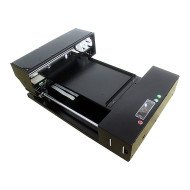
Highlighting the Benefits of the A3 Spot UV Printing Machine
This UV printer model offers versatility and high-quality results tailored to various production needs. Its compact design is perfect for startups and medium-sized businesses aiming for high precision without compromising speed. The machine"s user-friendly interface, combined with rapid curing technology, ensures your workflow remains seamless and efficient, matching the demand of real production scenarios.
Frequently Asked Questions
1. What should I consider first when choosing a UV printer?
Assess your production volume, substrate types, and desired print quality to determine the most critical features required.
2. Can a UV printer handle both small and large jobs?
Yes, but ensure the machine"s size and speed capabilities match your typical workload for optimal efficiency.
3. How much does a professional UV printer typically cost?
Prices vary widely based on features, size, and quality, ranging from a few thousand to hundreds of thousands of dollars. Invest based on your specific needs.
4. What kind of maintenance do UV printers require?
Regular cleaning, ink system checks, and curing module maintenance are essential. Many models feature self-cleaning options to reduce downtime.
5. Is UV printing environmentally friendly?
UV printing produces minimal volatile organic compounds (VOCs), and with proper waste management, it is generally considered eco-friendly.














Leave a Comment