
Choosing a DTG Printer for Real-World Production, Not Just Specifications
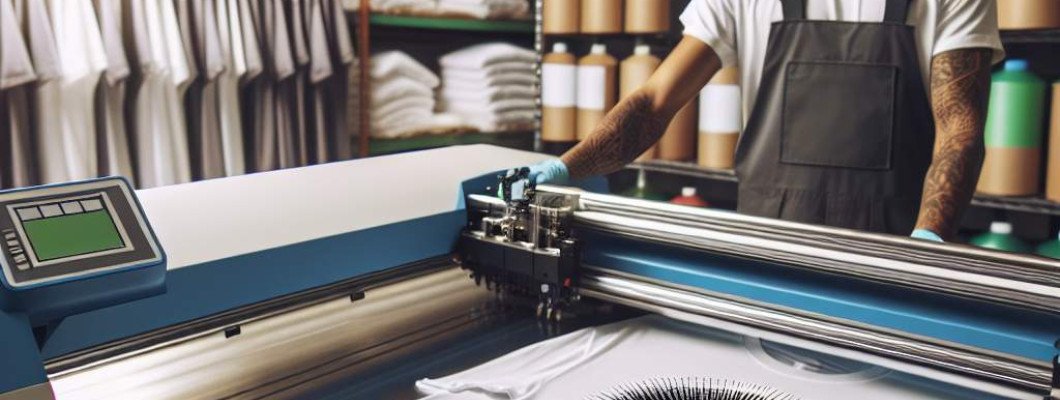
Are You Struggling to Choose the Right DTG Printer for Your Business?
If you're in the market for a DTG printer, you"ve probably noticed that specs alone don't tell the whole story. Maybe you"ve read about high-resolution prints or fast nozzle speeds, but how do those features translate into real-world production? I"ve been there myself—shopping for a machine that fits my shop"s actual needs, not just fancy marketing claims. If that sounds familiar, you"re in the right place. Let"s cut through the noise and focus on what really matters when choosing a direct-to-garment printer for your business.
Understanding Real-World Production vs. Specs
Specs Can Be Deceiving
It"s easy to get dazzled by specs like maximum print resolution or maximum printing speed. But in reality, those numbers often don"t tell you how the printer performs day-to-day. For example, a printer might boast a high resolution but struggle with consistent ink flow, leading to issues like color inconsistency or downtime. So, think beyond specs—consider how the printer performs in your actual workflow.
What actually matters in production?
- Reliability: Will the printer keep running without frequent breakdowns?
- Print Quality: Is the output sharp and vibrant enough for your customers?
- Speed & Throughput: Can it handle your order volume without delays?
- Ease of Use: How steep is the learning curve? Will your team get up to speed quickly?
- Cost of Operation: What are ongoing costs like ink, maintenance, and repairs?
All these factors influence real-world productivity more than specs. Let me tell you a quick story—last year, I chatted with a shop owner who bought a machine based solely on speed specs. Turns out, it required frequent head cleanings and downtime, which cut into his actual production. He wished he"d considered reliability and ease of maintenance first.
Key Considerations When Picking a DTG Printer
Print Quality and Consistency
High-quality prints mean happy customers and less reprints. Look for a machine with proven color accuracy and detailed image reproduction. Examine sample images, and ask vendors for demo prints. Consistency in color and clarity is a must—what looks good once should look good every time.
Durability and Reliability
This is huge. In a production environment, engine downtime costs money. Ask about warranty terms, customer reviews, and how the manufacturer supports repairs. Machines with robust components—like industrial-grade print heads—tend to last longer and perform more reliably.
Speed and Production Capacity
Assess your current and projected order volume. If you mainly do small batches, a slower model might suffice. But if you"re scaling up, look for a printer capable of high throughput with minimal operator intervention.
Some features to consider include:
- Multiple print heads for faster output
- Automated maintenance to reduce operator downtime
- Large print bed size for multiple items simultaneously
User-Friendly Features
An intuitive interface accelerates training and reduces mistakes. Features like step-by-step guidance, easy cleaning systems, and accessible ink cartridges make daily operation smoother. If your team is new to DTG printing, ease of use is critical to avoid costly errors.
Ongoing Costs and Support
Don't forget about maintenance and consumables. Ask vendors how much ink per print, and whether they offer bulk discounts. Also, inquire about service plans. A reliable support network minimizes downtime, keeps production running, and saves you money in the long run.
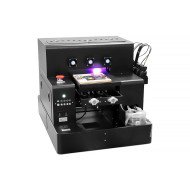
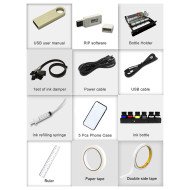
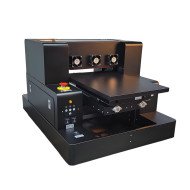
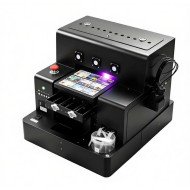
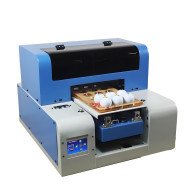
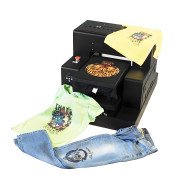
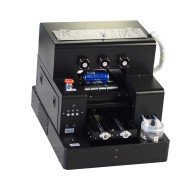
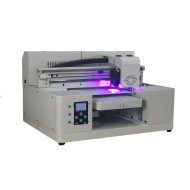
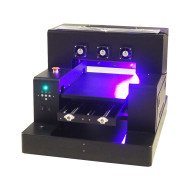
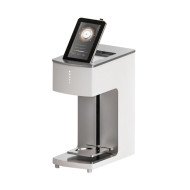
Check out this versatile DTG printerReal User FAQs
What is the most reliable DTG printer for high-volume production?
Look for models with industrial-grade components and strong customer reviews. Brands known for durability usually include features like sealed print heads and automatic cleaning systems.
How much should I expect to spend on a reliable DTG printer?
Prices vary widely. Entry-level models start around $10,000, but for professional-grade machines capable of high volume, expect to pay $20,000 or more. Remember, investing in quality reduces ongoing repair costs and improves output quality.
Can I operate a DTG printer with minimal training?
Yes. Many modern printers feature user-friendly interfaces and automated maintenance. However, a basic understanding of printing processes always helps improve output and troubleshoot issues efficiently.
What are common maintenance issues with DTG printers?
Head clogs, ink drying, and ink supply issues are typical. Choosing a model with automatic cleaning features and good support reduces these problems significantly.
Is it better to buy or lease a DTG printer?
If you"re starting or testing new markets, leasing can minimize upfront costs. But for long-term stability and higher ROI, buying—if financially feasible—gives you more control and potential tax benefits.





Leave a Comment