
Choosing a Card Printer That Matches Real-World Usage, Not Just Specifications
Struggling to pick the right card printer for your needs?
If you're in the market for a new card printer, chances are you've been overwhelmed by the options. Everyone talks about specs—print speed, resolution, card capacity—but what really matters is how your printer performs in the real world. I"ve been there myself. I remember a client who bought a high-spec machine but found it clunky for daily use because it didn't match their workflow. That taught me an important lesson: don"t just chase specs; choose based on actual usage.
When shopping for a card printer, it's tempting to get dazzled by the numbers. But unless those specs align with **how you actually plan to use the printer**, they"re pretty much meaningless. Today, I"ll walk you through how to select a card printer that fits your real-world needs—not just what it claims on paper.
Understanding Your Real-World Card Printing Needs
What are your typical printing volumes?
Before anything else, figure out approximately how many cards you'll print daily or weekly. Are you printing a handful of employee IDs each day, or bulk cards for a conference? This detail makes a huge difference because some printers excel at high-volume printing, while others focus on quick, on-demand jobs. For example, a small business might prefer a compact, fast printer, whereas a large organization needs a machine with higher capacity and faster throughput.
What card quality do you need?
Are your cards for security or aesthetic appeal? For ID badges, durability and clear printing are critical. If you're printing membership or loyalty cards, a vibrant, glossy finish might be more important. Often, specifications like resolution (measured in dpi) sound impressive but are only relevant if they match your quality criteria. Choosing a printer with the right balance of resolution and color fidelity ensures your cards look professional without overpaying for features you won"t use.
What types of cards will you print?
Some printers only handle standard PVC cards, while others support specialty materials like PET or composite cards. Think about your needs—are you printing magnetic stripe cards, smart chip cards, or just plain IDs? The compatibility of your card printer with various card types will save you from costly upgrades later.
How to Match Printer Specs with Real-World Usage
Speed matters, but not at all costs
Many printers boast high print speeds, measured in cards per hour. But if your daily volume doesn"t challenge that speed, it"s a waste to pay extra for it. A printer that can handle 200 cards an hour but only needs to print 50 daily is overkill. Look for a machine that matches your pace—you don"t need to overspend or buy features that will rarely be used.
Print resolution and image quality
Resolution impacts how sharp your images and text look. For ID cards with photos, aim for at least 600 dpi. But for basic badges, 300 dpi is often sufficient. Remember—higher resolution means larger file sizes and possibly longer processing times, so match this to your quality expectations.
Connectivity and ease of use
Will your team be operating the printer frequently? Consider features like Wi-Fi, Ethernet, or USB connections. A user-friendly interface, quick setup, and reliable drivers are key to avoiding downtime.
Durability and maintenance
Is your environment dusty, or do you expect frequent use? Check the machine's build and maintenance requirements. Some printers are rugged, suitable for industrial settings, while others are better suited for office environments. Keeping maintenance simple leads to fewer delays.
Beware of the Specs You Don"t Need
It"s tempting to get a machine with every bell and whistle—UV coating, embossing, hologram modules. But ask yourself: "Will I actually use these features?" If not, they"re just extra costs that don"t add value to your daily operations. For example, unless you"re printing high-security cards or premium membership cards, a basic printer with good color output will suffice.
Also, watch out for features that add complexity without benefit. A faster printer might sound great but could be more expensive and harder to troubleshoot. Simpler, reliable equipment often serves long-term needs better.
Real User Questions About Card Printers
1. Can I upgrade my card printer later if my needs grow?
In many cases, yes. Many printers have modular options—like additional encoding modules or higher-capacity feeders. Buy a model that supports upgrades, so you"re not locked into an initial choice.
2. Is print speed really that important?
If you print dozens or hundreds of cards daily, yes. For occasional printing, a slower machine is fine and may be cheaper. Match the speed with your actual volume to avoid unnecessary expenses.
3. How do I ensure my cards won"t fade or wear out quickly?
Choose a printer with options for protective coatings, UV printing, or embossing. Also, follow proper card material selection and maintenance routines to prolong card life.
4. Do I really need a color printer, or are black-and-white sufficient?
If your cards are mainly text-based, black-and-white may be enough. For visually appealing IDs or membership cards, color printers are worth the investment.
5. What's the best way to evaluate a card printer"s quality before buying?
Look for reviews, ask for sample prints, and verify the printer"s compatibility with your cards and software. Visiting a supplier"s demo or testing a model yourself can save headaches later.
Final tip: Align your printer choice with your workflow
Think about your daily routines and future expansion plans. Would a compact desktop model do, or do you need an industrial-grade printer? The goal is to match your printer"s specs—speed, quality, features—with your real-world use. That way, you won"t just buy the most impressive specs on paper, but a machine that actually helps your business run smoothly.
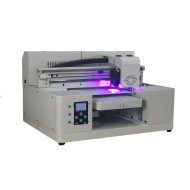
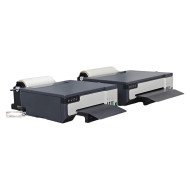
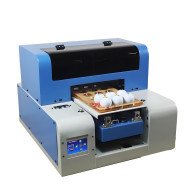
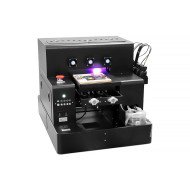
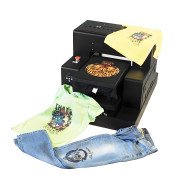
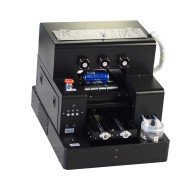
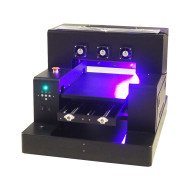
If you're interested in versatile printing solutions, check out this UV coating and printing machine. It can add extra durability and quality to your cards, helping you meet high standards without over-investing in unnecessary features.






Leave a Comment