
Card Printer Applications Expanding Beyond Offices and Institutions
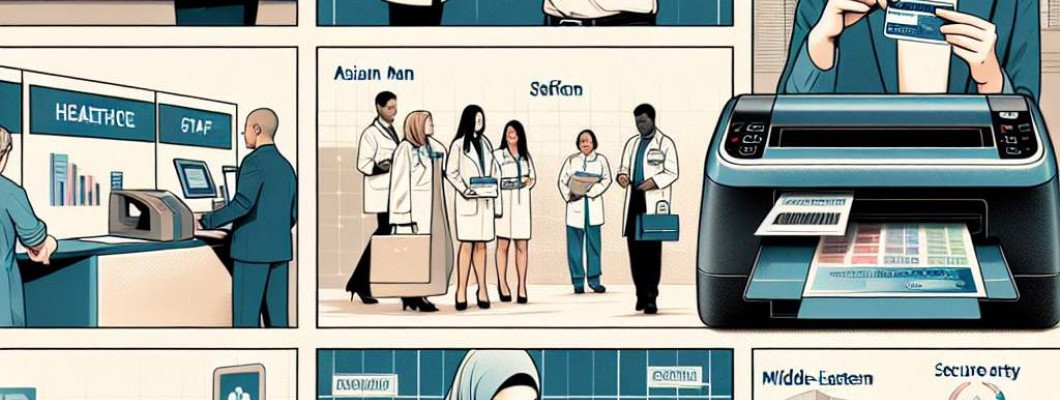
Thinking about expanding your card printing needs? Wondering if a card printer can do more than just handle blank IDs? You"re in the right place. Today, we"ll explore how card printer applications are stretching beyond traditional offices and institutions into a variety of industries. If you"re looking to boost security, personalize customer experience, or streamline operations, understanding these new uses can be a game-changer.
Let"s start with a common scenario I recently discussed with a client. They run a retail chain and initially bought card printers to issue basic loyalty cards. But then, they discovered the potential to print custom gift cards, event tickets, and even personalized coupons on the fly. That opened up a lot of new revenue streams with minimal extra investment. It"s exactly this kind of versatility that makes card printers so valuable today.
Expanding Beyond Traditional Use Cases
1. Retail and Customer Loyalty Programs
Retailers are increasingly using card printers to create dynamic, personalized loyalty cards. Instead of static physical cards, companies print customized designs, rewards, and even QR codes. This allows for personalized messaging and targeted promotions – turning a simple punch card into a powerful marketing tool.
Imagine a store issuing a loyalty card with your name, a special birthday offer, and a unique QR code that links to your profile. When you visit, they scan it and instantly apply your discounts. No more waiting for pre-printed cards or messy batch printing. Everything"s on-demand, fresh, and tailored.
2. Healthcare and Patient Identification
Hospitals and clinics require accurate patient identification to ensure safety and streamline operations. Card printers help create high-quality ID cards, wristbands, and visitor passes. These cards often include barcodes, RFID chips, or magnetic strips for easy access control and record tracking.
The ability to print secure, durable IDs on-site reduces administrative delays. And since printing is quick, they can update information as needed — crucial in fast-paced healthcare environments.
3. Event Management and Ticketing
Event organizers have realized that portable card printers are perfect for on-site ticketing and access passes. They can print customized event badges, VIP passes, or even limited-edition souvenirs right at the gate.
This reduces reliance on pre-printed tickets, minimizes fraud, and improves the customer experience. Plus, integrating innovative printing techniques like UV coating or hologram overlays enhances security and exclusivity.
4. Education and Campus Security
Schools and universities are using card printers to issue student IDs with embedded chips or magnetic strips. These IDs not only verify identity but also provide access to dorms, libraries, and labs. Printing on-demand allows institutions to handle lost cards efficiently and update access rights without delays.
Most importantly, printable IDs improve campus security and reduce the risk of identity theft.
5. Business Branding and Promotional Products
Beyond security, companies have started printing branded cards and business gifts. Customized professional-looking cards can serve as networking tools or promotional giveaway items. Modern card printers can handle various finishes like UV coating, gloss, or holographic effects for premium branding.
For example, a real estate agent might give clients a high-quality business card with a photograph, contact info, and a QR code linking to their profile. These are memorable and make a lasting impression.
Integrating Advanced Printing Technologies
If you"re considering expanding your card printer applications, take a look at some advanced features that can make your operation more professional:
- Spot UV Printing: Adds glossy effects to specific areas of the card, making logos or images pop for a premium look. Learn more about Spot UV printing here.
- Holographic Overlays and Security Features: Prevent counterfeiting and increase trust in your cards.
- Magnetic Stripes & RFID Chips: Enable contactless access and recording of user activity.
- Durable Coatings: Extend the lifespan of your cards in harsh environments.
By combining these features, your card printing operation can meet industry standards and create truly versatile, high-quality products. As more industries recognize the value, the scope of what"s possible with a single printer continues to grow.
Final Thoughts
Card printer applications are far from being limited to ID badges or security passes. They are transforming retail, healthcare, events, education, and branding into more dynamic, secure, and personalized experiences. You don"t need a complex setup — just the right printer equipped with the latest features. This flexibility empowers you to expand your service offerings without heavy investment.
Remember, your existing card printer can do more than you think. Explore options like - Spot UV Printing Machines- to elevate your printing quality and security.
FAQs
Q1: Can a standard card printer handle different card types and finishes?
Many modern card printers support various card types, including PVC, PET, and PETG, along with finishes like UV coating, holograms, or magnetic strips. Make sure to check your printer"s specifications or consider upgrading for more versatile options.
Q2: How secure are printed ID cards? Can they be easily forged?
Security features like holographic overlays, UV printing, and embedded RFID chips significantly reduce forgery risk. On-demand printing also minimizes stockpiling, making counterfeit harder to produce.
Q3: What industries benefit most from expanded card printer applications?
Retail, healthcare, events, education, and corporate security are leading sectors. Each uses customized cards for branding, security, or customer engagement.
Q4: Is on-site printing cost-effective compared to ordering pre-printed cards?
Absolutely. On-site printing reduces inventory costs, allows quick updates, and enables customization — saving money and enhancing flexibility.
Q5: How difficult is it to add advanced features like UV coating or holograms to my existing setup?
It largely depends on your current printer model. Many newer machines support these enhancements, but you may need to upgrade or add modules. Consult with your supplier for compatibility options.













Leave a Comment