Calculating the ROI of a Commercial UV Printer: How Fast Can You Break Even?

Understanding the True Costs Behind Commercial UV Printing
Initial Investment: Printer and Setup
Commercial UV printers come with a wide range of price points, typically from $20,000 to over $150,000 depending on features, print size, and brand quality. For example, GNFEI offers robust industrial-grade models designed for high-volume use with consistent curing quality. The purchase price is only the beginning. Initial setup includes calibration, installation of ventilation systems, and training costs for operators. These can add an additional 10-15% on top of the machine cost.
Consumables: Ink Types and Cost per Print
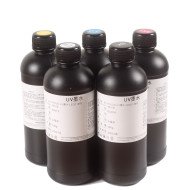
UV inks are generally more expensive than conventional solvent or aqueous inks. On average, UV ink costs range from $150 to $300 per liter depending on pigment concentration and ink chemistry. Since ink coverage directly impacts cost, understanding precise ink consumption per print is critical. A standard 1 sqm full-color print with a 10% ink coverage might consume around 30-50 ml. GNFEI printers utilize advanced droplet optimization to reduce waste, but a conservative estimate is necessary for ROI calculation.
Maintenance and Repair Expenses
Preventive maintenance can significantly influence long-term costs. UV printers incorporate LED or mercury vapor lamps requiring periodic replacement, plus printheads subject to wear and clogging. For instance, Epson-based heads in these machines need weekly nozzle checkups and typically a 1-3 month replacement cycle depending on usage. Proactive cleaning reduces downtime but requires labor hours that must factor into cost analysis.
Dissecting the Break-Even Timeline: A Mathematical Approach
Defining Fixed and Variable Costs
Breaking even means recovering all fixed and variable expenses through revenue generated by printing jobs. Fixed costs include the printer purchase, installation, and amortized depreciation. Variable costs cover ink usage, substrate materials, electricity, labor per print, and consumables. Accurately categorizing these enables precise profit margin mapping.
Step-by-Step ROI Calculation Example
Consider a GNFEI UV printer purchased at $75,000, amortized over 5 years (60 months), resulting in $1,250 monthly fixed cost. Monthly maintenance and consumables including lamp replacements and cleaning supplies add $700. Labor cost is computed at $20/hour for 40 hours dedicated to printer operation and maintenance, totaling $800 monthly. Ink costs average $3,000 for 600 liters printed monthly. Substrate costs vary widely but assume $2,000. Total monthly expenses approach $7570.
If the average print charge per sqm is $20 with 400 sqm printed monthly, revenue equals $8,000. Subtracting expenses leaves $430 monthly profit, pushing break-even to approximately 17-18 months considering no unforeseen expenses. Improving print volume or price per sqm accelerates ROI.
Key Metrics Impacting ROI Speed
- Print Volume Consistency: Under-utilization delays break-even.
- Ink Efficiency: Optimized ink usage reduces variable costs.
- Downtime Minimization: Proper maintenance avoids costly production halts.
Maintenance Playbook: Step-by-Step Practical Guide for High Uptime
Daily Checkups and Cleaning Routines
Daily cleaning includes wiping the printhead surface with isopropyl alcohol-based wipes and running nozzle test patterns. In GNFEI’s field experience, skipping daily cleaning increases clog risk by 30%. Schedule takes under 20 minutes but crucial for consistent output.
Weekly Deep Maintenance Protocols
Weekly procedures demand stronger cleaning agents for stubborn sediments, system flushes with proprietary cleaning fluid, and inspection of UV lamps' energy output. GNFEI technicians recommend logging lamp hour usage; LED lamps generally last 10,000-20,000 hours, while mercury vapor require replacement every 1,500-2,000 hours. Replacing lamps on schedule prevents print defects.
Printhead Replacement: Signs, Timing, and Cost Analysis
Printheads wearing thin manifest as streaks, inconsistent droplet formation, or color shifts. GNFEI printheads have average lifespans of 3-6 months for medium print volume workflows. Replacement cost averages $1,500 per head. Planning replacements based on print volume rather than calendar months ensures cost-efficient usage and avoids emergency repairs.
Material Substrate Insights: Adhesion and Curing Performance
Evaluating Adhesion on Glass, Metal, and Plastics
UV printing adhesion quality largely depends on substrate composition and pre-treatment. For glass, surface tension is low; plasma or flame treatment improves ink bonding significantly, reducing ink failure rates by up to 45%. Metals require anti-corrosive primers before printing to prevent delamination. Plastics vary widely: pure PVC adheres well, but polycarbonate may need special primers.
Solidification Times and Productivity Impact
UV curing time directly correlates to production speed. LED UV lamps cure instantly in 1-2 seconds for thin layers; however, thicker ink layers or certain pigments take up to 10 seconds. High-speed GNFEI models employ multi-pass curing to optimize dry times without sacrificing adhesion. Understanding curing specs helps estimate throughput and avoid bottlenecks.
Head-to-Head Testing of Different Textile Substrates
Industrial DTG operators transitioning to UV often face challenges with blended fabrics such as cotton-polyester mixes. UV inks adhere well to synthetic fabrics when combined with proper pretreatment but require longer curing times (up to 15 seconds) to ensure washfastness. Pure cotton offers superior absorbency but slower curing may affect overall line speed.
Cost-Saving Strategies and Operational Efficiencies
Ink Management and Waste Reduction
Ink overuse and wastage are silent profit killers. GNFEI printers employ variable droplet sizes and smart nozzle mapping, cutting waste by an estimated 12%. Operators should implement ink recycling techniques where applicable and schedule routine calibration to maintain nozzle precision.
Automation and Workflow Integration
Automating press workflows reduces labor hours. Integration with RIP software that includes automatic color management and nesting optimizes substrate usage, reducing material waste up to 18%. A well-designed workflow also ensures fewer operator errors and reduced machine idle time.
Leveraging Service Contracts and Technical Support
Investing in comprehensive service contracts, like those GNFEI provides, can offset costly repair downtime. Predictive analytics and remote diagnostics help identify potential faults before failure, maintaining continuous operation. Consider these service costs as part of the fixed overhead when calculating ROI.
Comparing UV Printing with Other Methods: ROI and Application Scope
UV vs DTG and DTF: Operational Costs and Profit Margins
While DTG (Direct to Garment) printing excels in soft goods with simpler maintenance, UV offers superior durability for hard surfaces and mixed materials. Ink costs for DTG are generally lower, but slower prints and fabric pretreatment add time and cost. DTF (Direct to Film) printing adds transfer steps and material costs but enables faster turnaround on stretchy fabrics.
Food Printing Applications: Regulatory and Cost Considerations
When applying UV tech in edible printing, compliance with food safety regulations significantly raises operational complexity. UV ink formulations for food contact are premium-priced, and curing systems must ensure complete polymerization to avoid contamination. ROI timelines extend due to specialized certification and limited market size.
Long-Term Durability and Client Satisfaction Factors
UV prints typically demonstrate higher resistance to UV light fading, scratches, and solvents compared to solvent or aqueous prints. For clients demanding lasting quality, this can justify premium pricing, offsetting elevated initial investment. Proactive client consultation on usage scenarios aligns expectations and smooths ROI realization.
GNFEI's decade-long experience in advising industrial print operations shows that realistic ROI planning, combined with rigorous maintenance and workflow strategies, closes the gap between textbook projections and actual profitability. Each printing business must calibrate their inputs based on volume, substrate mix, and labor capabilities to precisely determine how fast break-even happens—no guesswork, only data-driven decisions.