
Brand storytelling evolving through uv printer applications on textured and non-traditional surfaces
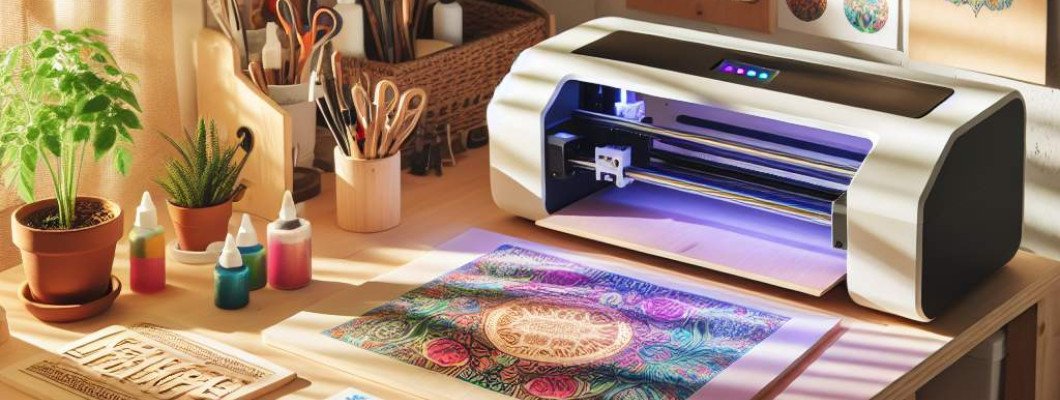
Struggling to Make Your Brand Stand Out on Unique Surfaces?
If you've ever tried to showcase your brand on textured or non-traditional surfaces, you know how challenging it can be. Traditional printing methods just don"t cut it anymore. That"s where UV printer applications come into play. They"re transforming how brands tell their stories, offering endless creative possibilities on surfaces like wood, glass, metal, and even textiles.
What Makes UV Printing a Game-Changer for Brand Storytelling?
UV printing is all about versatility. Unlike conventional printers, UV printers can produce vivid, durable images on surfaces that are rough, curved, or irregular. This opens a new world for branding—think textured packaging, promotional products, or even décor with your logo embedded directly onto the surface. You no longer need stickers or labels that peel or fade over time.
Imagine a coffee shop branding a textured wooden sign with a vibrant logo, or a sports brand customizing grips on non-traditional materials—UV printing is making that possible and affordable. The technology uses ultraviolet light to cure the ink instantly, resulting in high-quality, scratch-resistant prints that last longer than traditional methods. And the best part? You can print directly onto almost anything.
Where Can You Use UV Printer Applications?
- Textured surfaces: Wood, leather, fabric, and stone
- Non-traditional materials: Metal, glass, acrylic, ceramics, and plastics
- Curved and irregular shapes: Bottles, promotional gadgets, product packaging
- Customized décor: Wall panels, art pieces, furniture accents
If you're aiming to stand out in a crowded market, these surfaces are your new canvas. For instance, chatting with a friend who owns a branding company, they mentioned how they printed logos directly onto textured leather notebooks and metallic jewelry. Customers loved the premium look and feel—it's a real differentiator.
The Benefits of Using UV Printing for Your Brand
- Durability: Prints are resistant to scratches, UV rays, and environmental elements.
- Customization: High-quality, detailed images can be printed directly onto complex surfaces.
- Speed: Instant curing means faster production times.
- Cost-Effective: Reduces the need for multiple printing steps, such as applying stickers or transfer papers.
- Eco-Friendly: Less waste and solvent-free inks contribute to a greener process.
It"s no surprise that brands are adopting UV printing for their product launches, customized promotional items, and experiential marketing. Plus, with the ability to print on so many surfaces, your ideas for creative branding are practically limitless.
How to Get Started with UV Printer Applications?
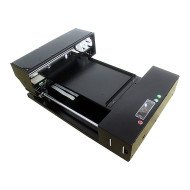
If you"re new to this tech, I recommend checking out a reliable UV printing machine like this one: Spot UV Printing Machine - Glossy UV Coating Printer. It"s user-friendly and offers excellent quality for small to medium runs.
Here are some simple steps you can follow:
- Assess your surfaces: Identify textures, materials, and shapes you want to print on.
- Choose the right UV printer: Consider features like resolution, ink compatibility, and size.
- Design your artwork: Use high-resolution images optimized for direct printing.
- Test prints: Start with samples to tweak your settings for best adhesion and appearance.
- Scale up: Once satisfied, produce your custom branded items confidently.
Investing in a UV printer is a smart move for brands looking to increase their visual impact. The initial setup may seem daunting, but the long-term benefits of flexibility, durability, and differentiation are worth it.
Few Tips for Success with UV Printing on Textured Surfaces
- Prepare your surfaces: Clean and dry surfaces thoroughly to ensure proper ink adhesion.
- Adjust your printing parameters: Fine-tune curing times and ink settings based on material texture.
- Use premium inks: High-quality UV inks result in sharper images and longer-lasting prints.
- Protect your finished product: Apply a clear UV coating for added durability if needed.
For example, I recently helped a client print their logo on textured ceramic tiles for a branding event. They were amazed at how vibrant and resistant the print looked, even after exposure to outdoor weather. It"s all about knowing your materials and choosing the right settings.
FAQs About UV Printer Applications on Textured Surfaces
- 1. Can UV printers print on irregular shapes?
- Yes, UV printers are highly versatile and can handle curved, uneven, and complex surfaces without losing detail.
- 2. What surfaces are best suited for UV printing?
- Generally, non-porous surfaces like glass, metal, plastic, leather, and coated wood work best. Proper surface preparation is key for adhesion.
- 3. How durable are UV printed surfaces?
- They are resistant to scratches, UV light, and environmental factors, making them ideal for both indoor and outdoor use.
- 4. Is UV printing cost-effective for small runs?
- Absolutely. Since UV printing doesn"t require costly setup like screen printing, it"s perfect for small batches or one-off customizations.
- 5. Can I print multi-colored images on textured surfaces?
- Yes, UV printers can produce vibrant, multi-colored images with high resolution, even on textured or irregular surfaces.
Getting comfortable with UV printing applications for textured and non-traditional surfaces can really elevate your branding game. If you're ready to explore this, check out the Spot UV Printing Machine to start turning your ideas into reality.














Leave a Comment