
Blending Art with Technology: DTG Printing in Modern Creative Expressions
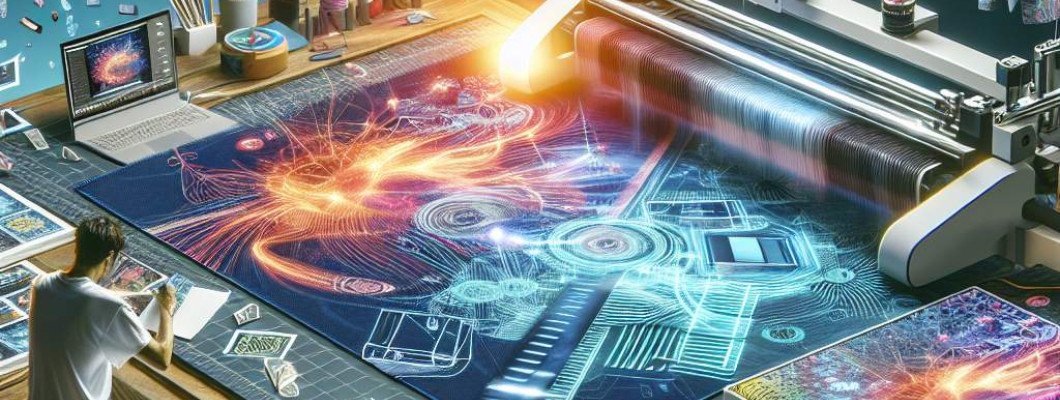
Struggling to make your creative designs stand out? Curious how modern technology is transforming art today?
If you're involved in the creative world—whether you're an artist, designer, or small business owner—you're probably wondering how to turn your ideas into vibrant, durable products efficiently. That"s where **DTG printing** comes into play. This digital textile printing method is revolutionizing the way we blend art with technology, making it easier than ever to produce high-quality, custom apparel and textiles. Let"s dive into how DTG printing is redefining creative expression in the modern era.
What is DTG Printing and Why Is It Catching On?
Understanding Direct-to-Garment (DTG) Printing
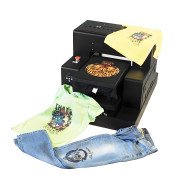
At its core, DTG printing is a process that applies ink directly onto fabric using specialized inkjet technology. Think of it like printing a photo onto a t-shirt, but on a much larger scale and with much more detail. Unlike screen printing, which requires creating stencils for each design, DTG digitally prints your artwork directly onto textiles, making it perfect for complex images or designs with lots of colors.
This technology allows for stunning details, gradients, and color blending, which makes it a favorite among artists and small batch producers.
The Rise of Digital Art Meets Fabric
Remember chatting with a friend who's into streetwear? They told me how they love creating unique designs that stand out. With DTG, artists can now turn their digital artwork into real clothing without needing large production runs. It"s fast, flexible, and cost-effective, especially for limited editions.
This ability to produce on-demand significantly reduces waste and inventory costs. If you want to experiment with new designs or offer personalized products, DTG is the way to go.
Advantages of DTG Printing for Creative Expressions
Exceptional Detail and Color Vibrancy
- Prints are incredibly sharp, capturing even tiny details.
- Colors are rich, with smooth gradients and blending.
- Suitable for complex artwork, photographs, and illustrations.
Fast Turnaround and Cost Efficiency
- Minimal setup time—no need for screens or stencils.
- Ideal for small batches or one-off designs.
- Lower upfront costs compared to traditional methods.
Environmentally Friendly and Flexible
- Uses water-based, eco-friendly inks.
- Can print on various fabric types, including cotton, blends, and more.
- Supports sustainable fashion efforts and eco-conscious branding.
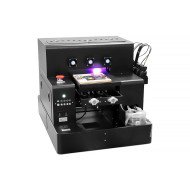
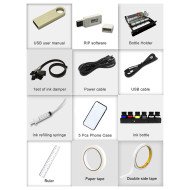
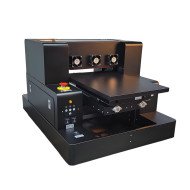
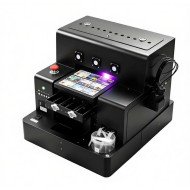
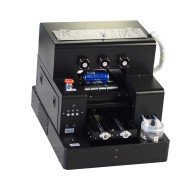
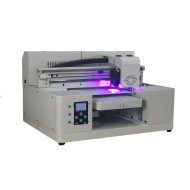
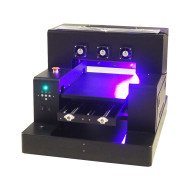
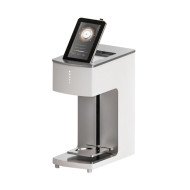
Thinking about trying it out? Check out this A3 DTG Printer for small to medium production needs.
How Artists and Businesses Are Using DTG Today
Creating Unique Fashion Pieces
Many fashion brands now focus on limited editions or custom orders. With DTG, designers can upload their artwork digitally and print directly onto fabric, turning ideas into real products overnight. This flexibility offers a competitive edge in a crowded market.
The result? Customers get personalized, high-quality apparel that feels exclusive and crafted with care, making your brand stand out.
Personalized Gifts and Niche Markets
Imagine a small shop that prints custom wedding shirts, team jerseys, or personalized gifts. DTG makes this feasible with low minimum orders. You don"t need large-scale printing facilities or minimum order quantities—just your creative vision and a good-quality printer.
This opens up new revenue streams and business models, particularly appealing for entrepreneurs aiming to tap into personalized, fast-turnaround products.
Incorporating Art into Digital Media
Many artists now go beyond traditional canvases. They design digitally and print on textiles, home decor, or accessories. DTG allows seamless integration of digital art into physical products, broadening creative possibilities and market reach.
Think of it like turning your digital paintings into tangible products—t-shirts, throws, or wall art—that showcase your style in new ways.
Tips for Getting Started with DTG Printing
Choose the Right Printer
- Invest in a reliable machine, like the A3 DTG Printer.
- Look for features like high resolution, color accuracy, and user-friendly interfaces.
- Consider print size compatibility with your project scope.
Prepare Your Artwork Properly
- Create designs in high resolution (at least 300 dpi).
- Use software that supports color management for vibrant results.
- Preview colors on different fabrics to ensure accuracy.
Understand Fabric Compatibility and Maintenance
- DTG works best on 100% cotton or cotton-rich fabrics.
- Follow maintenance routines to keep your printer in top shape, preventing clogging and ink issues.
- Experiment with different fabric brands to find the best results.
FAQs About DTG Printing and Creative Applications
- Is DTG printing cost-effective for small batches?
Yes, it"s ideal for small runs or one-of-a-kind items because setup costs are minimal compared to traditional screen printing. - How durable are DTG prints?
When properly cured, DTG prints are quite durable, lasting through many washes without fading. - Can DTG print on different fabric types?
While best on cotton, some printers can handle blends and specialty fabrics, but check compatibility first. - What"s the learning curve for using a DTG printer?
It"s generally straightforward, especially with user-friendly models. Plenty of tutorials and support are available to get you started. - Are DTG prints suitable for commercial production?
Absolutely. As demand grows, many businesses scale up their DTG facilities or invest in larger machines.
In the end, blending art with technology through DTG printing unlocks a world of possibilities. Whether you're creating limited editions, personalized goods, or showcasing digital artwork, this method is transforming how we bring designs to life on fabric.



Leave a Comment