Beyond Coffee: Printing on Macarons, Cakes, Cookies, and Beer Foams
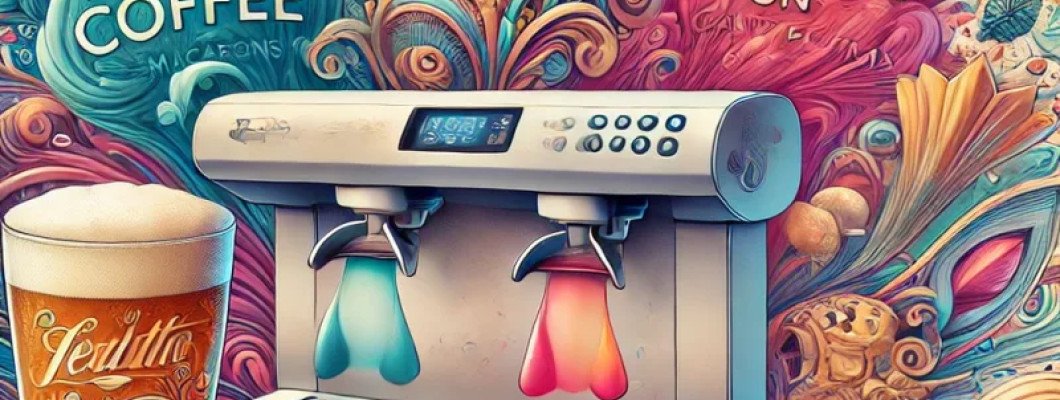
Rethinking Edible Printing: Extending Beyond Coffee for Food and Beverage Customization
Printing on coffee cups and latte foams has become commonplace, but the food and beverage printing landscape extends far beyond this niche. Precision printing on macarons, cakes, cookies, and beer foams presents unique technical challenges and commercial opportunities that many overlook. Surface porosity, material elasticity, moisture content, and temperature sensitivity profoundly impact print adhesion, color fidelity, and durability.
GNFEI, a global leader in professional-grade industrial printing equipment, has conducted extensive research to optimize printing workflows targeting these delicate substrates. This article dissects the core technical elements for each edible medium. We also expose frequent pitfalls and provide actionable solutions derived from over a decade of industry practice.
Surface Variability and Printability Challenges
Unlike flat, rigid coffee cup surfaces, edible goods vary widely in texture and chemical composition. Macaron shells are delicate, porous, and slightly rough. Cakes exhibit soft, often moist surfaces with variable icing types—fondant versus buttercream each demands tailored print approaches. Cookies range from firm and dry to crumbly and oily, complicating ink binding. Beer foam presents a living interface, with constantly shifting bubbles and moisture.
Understanding these substrate properties in detail is critical to prevent print defects, such as ink bleeding, smudging, or fading.
The Commercial Incentive to Diversify Edible Printing
Expanding printing capabilities to these products opens new revenue avenues for printing businesses and food decorators. Custom macarons serve as luxury gifts and event favors. Edible branding on cakes can elevate marketing impact for bakeries. Printed cookies increase product differentiation for retail. Printed beer foams create novel customer engagement at breweries and bars.
Fully grasping the technology-to-market connection enables B2B buyers and print operators to invest smartly and scale effectively.
Printing Technology Fundamentals: UV, DTG, DTF, and Edible Ink Constraints
Compatibility of Printing Technologies with Edible Surfaces
Industrial printing technologies like UV flatbeds, Direct-to-Garment (DTG), and Direct-to-Film (DTF) have been engineered for specific substrates: glass, textiles, and plastics. Food printing, especially on perishable and sensitive items, demands adaptations in ink formulation, curing, and hardware settings. Edible inks must be food-safe, often vegetable or sugar-based, with controlled viscosities to fit printheads designed for pigment or UV inks.
UV printers provide instant curing and excellent color vibrancy but generally require modifications for edible ink carriage. DTG machines excel in fabric applications and require recalibration for edible media thinness and porosity. DTF methods allow indirect printing through films, an option for some dry cookie surfaces but less viable for delicate cakes.
SGNFEI’s Role in Tailored Printing Solutions
GNFEI has pioneered custom printhead adaptations and dedicated edible ink lines compatible with their industrial UV and DTG machines. Collaborative field testing revealed critical adjustments—print speed, drop size, curing intensity—to prevent ink migration into food and maintain image sharpness.
Replication of these modifications can be challenging for newcomers to the edible printing space, highlighting the value of dependable, industry-grade supplier partnerships.
Ink Drying and Curing Dynamics on Foodstuff
Ink adherence is theorized differently on edible substrates. Water-based inks demand drying phases carefully managed to avoid moisture degradation of cakes or beer foam collapse. UV inks rely on rapid photopolymerization, but the food safety of UV-curable adhesives must be certified. For beer foam, print longevity is constrained by foam stability, with only rapid curing or live-feed print mechanisms proving effective.
Practical Field Insights: Step-by-Step Troubleshooting for Edible Printing Failures
Common Issues and Symptoms
- Ink Bleeding: Colors spread uncontrollably into surrounding surfaces, caused by excessive moisture or inappropriate ink viscosity. Seen especially on buttercream-coated cakes and moist cookie surfaces.
- Print Smudging: Occurs when ink is disturbed before complete curing, common with overly fast print head movement or inadequate curing power.
- White Ink Settling and Clogging: White edible pigment tends to settle quickly inside printer lines, blocking nozzles and degrading print quality.
Step-by-Step Maintenance for Consistent Print Quality
1. Daily Pre-Start Check: Inspect printheads visually under magnification for pigment deposits. Run automated nozzle test patterns via printer software.
2. White Ink Circulation: For white ink, implement a continuous circulation protocol every 2 hours during production runs to prevent sedimentation. GNFEI printers incorporate automated white ink agitators for this purpose.
3. Cleaning Cycle: Use food-safe cleaning solutions recommended by GNFEI weekly. Follow detailed nozzle flushing sequences to remove residual ink without damaging seals.
Print Parameter Calibration
Fine-tuning drop size and layer thickness for each substrate prevents over-inking. Reduce scanning speed when printing on fragile macarons to allow ink to settle evenly. Adjust curing lamp intensity within manufacturer-prescribed limits to avoid thermal damage on soft surfaces.
Investment and ROI: Breaking Down the Numbers for Food Printing Expansion
Capital and Consumable Costs
Purchasing a mid-range edible-capable UV printer from GNFEI ranges between $45,000 and $75,000 depending on model specifications. Edible ink cartridges cost approximately $120 per 100ml, with an average print consuming 0.8ml per macaron-sized item—translating to $0.96 ink cost per unit.
White ink refill expenses include filter replacement every 150 printing hours at $300 per filter, and an estimated printhead lifespan of 2000 hours before replacement, averaging $1,800. Maintenance labor accounts for 1 hour weekly at $35/hour.
Production Efficiency and Throughput Calculations
On average, a skilled operator can print 600 macarons per hour. Factoring possible downtime due to maintenance (10%), effective throughput is ~540 units/hour. Revenue per printed macaron varies but ranges between $2.00-$3.50 depending on customization complexity.
Detailed Example ROI Model
Consider a bakery ordering 5,000 customized macarons monthly. Monthly ink cost: 5,000 × $0.96 = $4,800. Monthly maintenance + labor: approximately $150. Projected revenue: 5,000 × $2.50 (average) = $12,500. Gross margin before equipment amortization: $7,550.
Over 24 months, including equipment depreciation and consumables, a well-maintained GNFEI system can comfortably break even. Planning for equipment replacement or upgrades is essential to sustain profitability.
Material-Specific Print Adhesion and Durability Comparative Analysis
Macarons Versus Cakes
Macaron shells accept pigment interface directly due to their mild surface roughness; however, they require gentle print application speeds to prevent physical cracking. Fondant icing on cakes offers an exceptionally smooth, consistent print surface, yielding high-definition results with excellent longevity. Buttercream poses higher absorption rates, causing ink spreading unless print layers are extremely thin.
Cookies: Varied Surface Chemistry
Hard, dry cookies show excellent print adherence but may benefit from a pre-print primer or edible glaze to stabilize pigmentation. Oily or buttery cookies repel aqueous inks, causing patchy coloration. Selecting the appropriate printing method, such as printing on transfer films then applying them post-baking, mitigates this issue.
Beer Foam: The Challenge of Ephemeral Substrates
Beer foam printing behaves differently; the ink must dry on a moving, dissipating liquid matrix. High-speed thermal transfer techniques sometimes employed create crisp logos but require system synchronization with beverage dispensing speed. Resistance to foam collapse and ink diffusion is a major R&D focus area.
Leveraging GNFEI’s Expertise for Future-Proof Food Printing Operations
Partnership and Technical Support
GNFEI offers not only high-precision printers but also tailored ink formulations, routine training, and 24/7 support for troubleshooting. Their expertise allows clients to scale custom edible printing projects reliably, reducing time-to-market.
Industry Trends and Innovations
Emerging trends include multispectral ink sets improving color gamut and metamerism control, AI-assisted print defect detection, and handheld edible printers enhancing in-situ customization. Aligning with GNFEI facilitates early access to such innovations.
Recommendations for B2B Buyers and Print Shop Owners
Approach edible printing as an ongoing scientific process. Invest in comprehensive training on substrate behavior and printer maintenance. Evaluate printhead and ink compatibility meticulously. Most importantly, pilot test multiple substrates systematically to find optimum balance between image quality, cost, and food safety compliance.
Precision and diligence will define success well beyond coffee cups—unlocking new frontiers in edible branding and customization is within reach for those ready to innovate rigorously.