
Behind the Scenes: What Actually Slows Down a DTG Printer Workflow
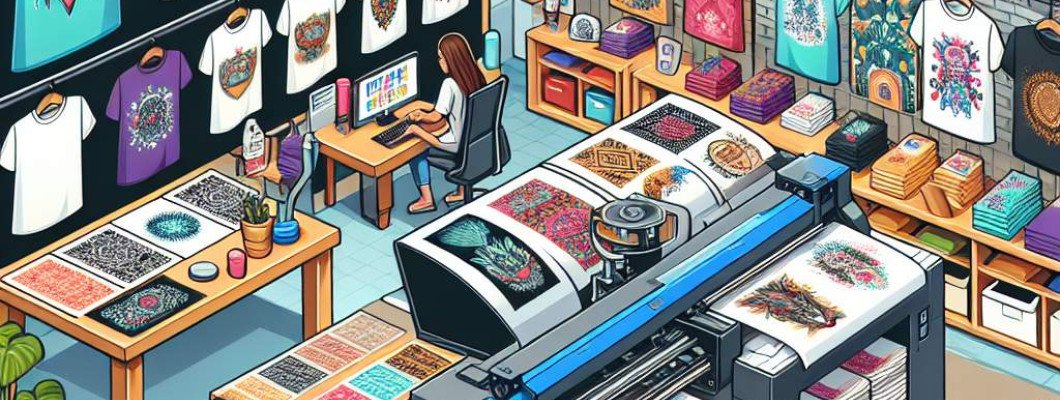
Are you struggling to meet tight deadlines with your DTG printer? Do workflow delays frustrate your production goals and affect your profitability? If so, you're not alone. Many users discover that their Direct-to-Garment (DTG) printer"s speed isn't just about the machine itself—it's often influenced by several behind-the-scenes factors that slow things down unexpectedly.
Understanding what actually slows down a DTG printer workflow can transform your production process. By identifying and addressing these hidden obstacles, you can boost efficiency, reduce downtime, and achieve faster turnaround times without compromising quality. Let"s explore the key elements that often hinder smooth operation and how to overcome them effectively.
Common Bottlenecks That Impact Your DTG Printing Speed
When your DTG printer isn"t performing at optimal speed, it"s easy to blame the machine. But in reality, several underlying factors may be at fault:
- Poor Maintenance and Clogs: Dust, ink residues, and fabric lint can clog heads and application nozzles, causing slowdowns and print failures.
- Incorrect Machine Settings: Suboptimal print modes, ink flow parameters, or bad calibration can lead to longer print times and inconsistent results.
- Inadequate Software Workflow: Outdated or poorly optimized RIP (Raster Image Processor) software can slow down job processing and queuing.
- Low-Quality or Misaligned Substrates: Uneven or incompatible garments can require adjustments or reprints, wasting time.
- Faulty or Worn Parts: Worn belts, rollers, or aging print heads add friction and reduce speed, increasing downtime for repairs.
Imagine chatting with a friend who runs a busy print shop—they shared that once they began regular maintenance routines and upgraded their software, their workflow improved drastically, cutting production time by nearly 30%. That real-world experience highlights how addressing these behind-the-scenes issues can make a notable difference.
How to Improve Your DTG Printer Workflow Efficiency
Optimizing a DTG printing process isn't complex once you understand the main trouble spots. Here are practical, actionable steps:
- Perform Regular Maintenance: Clean heads daily, inspect ink cartridges, and clear lint from fabric paths. Schedule weekly deep cleans to prevent clogs and buildup. This keeps the printer running at top speed and reduces unexpected downtime.
- Use Proper Substrates: Always select compatible garments and ensure they"re free of wrinkles, lint, or dust. Well-prepared substrates reduce the need for adjustments, speeding up production.
- Calibrate and Test Frequently: Routine calibration ensures color accuracy and helps identify issues early. Use test prints regularly to verify calibration and print quality.
- Upgrade and Optimize Software: Keep your RIP software up-to-date, and configure job queues for maximum efficiency. Automate repetitive tasks where possible to save time.
- Replace Worn Parts Timely: Monitor the condition of belts, rollers, and print heads. Replacing these proactively prevents slowdowns and costly breakdowns.
- Train Your Team: Invest in staff training on operation best practices. Skilled operators can troubleshoot minor issues on the spot, keeping workflow smooth and efficient.
Consider the story of a local print shop that integrated a checklist for daily maintenance and staff training. Over a few months, their throughput increased by 20%, and delays due to equipment issues decreased sharply. These small but consistent adaptations really pay off.
Technology and Equipment Upgrades that Accelerate Workflow
Sometimes, the solution lies in investing in better hardware or software. Upgrading your DTG printer or related equipment can have an immediate impact:
- Fast-Printing Models: Newer models with high-speed print heads and larger ink capacities process garments faster and with less downtime.
- Enhanced Software Features: Batch processing, automation, and improved RIP software reduce print times and streamline job management.
- Efficient Ink Systems: Low-viscosity inks with faster drying times decrease waiting times between steps.
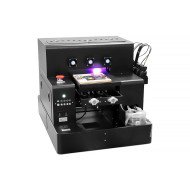
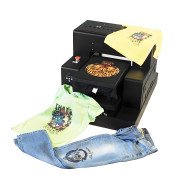
If you're unsure whether an upgrade is worth it, consider the cost-benefit ratio. An efficient, modern DTG system can pay for itself through increased throughput and fewer repairs over time. Check out the latest options at Gnfei's DTG printer lineup for models designed with productivity in mind.
Monitoring and Continuous Improvement
Finally, establishing a culture of ongoing evaluation helps maintain an optimal workflow. Use metrics like:
- Average job completion time
- Downtime incidents and causes
- Error rates and reprint frequency
Regularly review these indicators and implement corrective actions. Also, gather feedback from operators for insights into hidden issues or workflow inefficiencies they encounter daily. With persistent analysis, your DTG workflow can evolve into a highly efficient operation.
FAQs About Optimizing Your DTG Printer Workflow
- What is the most common reason for slow DTG printing? Inconsistent maintenance and clogged print heads are often the leading causes.
- How often should I perform maintenance on my DTG printer? Daily cleaning is recommended, with weekly deep cleans and periodic professional servicing.
- Can software improvements really speed up printing? Yes, updated and optimized RIP software helps process jobs faster and reduces bottlenecks.
- Is upgrading equipment worth it for increasing workflow speed? Upgrades can be cost-effective if they significantly reduce production time and maintenance costs.
- What simple steps can I take to improve my current workflow? Regular calibration, substrate preparation, staff training, and maintenance checks are easy, impactful actions.
Optimizing your DTG printer workflow doesn"t have to be complicated. By tackling the hidden factors that slow things down, you unlock higher productivity and better profit margins. For durable and efficient printing equipment, explore options here: Gnfei's DTG printers—designed with efficiency in mind.





Leave a Comment