Are You Fighting Endless Printhead Clogs? Fix Your DTG Workflow at Its Root

Understanding the Root Causes of DTG Printhead Clogs
The Science Behind White Ink Sedimentation
One major reason DTG printheads clog uncontrollably is white ink sedimentation. The high pigment load in white ink causes rapid settling if left stagnant inside the ink circulation system. Many operators mistake this as a simple 'drying issue,' but it's actually a complex fluid dynamic problem where pigment particles agglomerate and block nozzles.
GNFEI’s tested approach involves continuous circulation systems complemented with periodic agitation to keep pigment dispersion uniform. Even a short idle time over 12 hours can cause initial sediment layers that quickly advance into complete clogs if the printer lacks active circulation.
Environmental and Printer-Specific Factors Accelerating Clogs
Humidity and temperature fluctuations in your workspace have a direct impact on ink viscosity and evaporation rates. Low humidity accelerates drying inside nozzles, especially for pigmented white inks. Conversely, overly humid conditions increase ink stability but can encourage microbial buildup if ink cartridges are exposed long-term.
Printer brand, model, and printhead technology also influence clog tendencies. Epson-based heads, favored in DTG for their droplet size precision, require exact cleaning cycles and ink formulations to avoid clogging. GNFEI’s lineup includes models optimized for various ink chemistries and equipped with automated cleaning protocols tailored to maintain ideal head conditions.
Operator Habits and Workflow Shortcomings to Watch
Incorrect or inconsistent printhead maintenance routines exacerbate clogging problems. The most common pitfalls include skipping daily purges, not flushing the white ink line after use, or failing to monitor ink expiration dates. Many operators underestimate the required cleaning frequency, often driven by pressure to maximize run times, which ironically results in more downtime due to head failures.
Effective workflows incorporate scheduled downtime for preventive maintenance and insist on routine printhead health checks. Electronic nozzle checks should be standard before starting production runs. GNFEI’s technical documentation and training programs emphasize embedding these practices into daily operations.
Step-by-Step Printhead Maintenance and Troubleshooting Protocols
Daily and Weekly Cleaning Regimens
A rigorous cleaning schedule is essential to keep printheads clog-free. A typical daily workflow should include:
- Pre- and post-shift nozzle checks: Run automatic nozzle diagnostics to detect partial or full clogs.
- Automated flushing cycles: Execute manufacturer-recommended flushes focusing on white ink lines, where clog risk is highest.
- Manual wiping of the printhead faceplate: Use lint-free cloths with approved cleaning solvents to eliminate dried ink residues on the nozzle area.
Weekly maintenance extends further with deep cleaning using ultrasonic baths for removable components and checking for ink cartridge expiration and contamination.
Emergency Clog Clearing Tactics
When clogs occur despite preventive care, fast and systematic clearing is critical. The recommended sequence includes:
- Running multiple deep cleaning cycles: Use the printer’s software to activate intensive flushing; limit this step to 3 repeats to avoid excessive ink consumption.
- Extracting the clogged ink line: Detach and soak the white ink supply tube in a cleaning solution mixed with deionized water and proprietary solvents.
- Employing manual syringe flushes: Push cleaning fluid through the nozzles with controlled pressure to dissolve sediment.
- Replacing compromised printheads: In cases where clogging has caused irreparable damage, swapping heads following GNFEI-certified parts guidelines prevents recurring issues.
Optimizing Ink Storage and Handling
Ink storage temperature and agitation are just as important as maintenance actions. Ideal storage conditions for reactive white inks hover between 18°C and 22°C with constant mild stirring. Refrigeration below 15°C risks pigment coagulation, while uncontrolled warmth accelerates viscosity changes.
When switching ink batches, full line purging prevents residue mixing that often causes precipitates. GNFEI’s recommended practice includes using dedicated purge inks designed to safely displace older materials without harming printheads.
Economic Impact: Calculating ROI on Improved Printhead Care
Ink Cost and Waste Reduction Metrics
Ink is among the highest operational costs for DTG printing, often reaching 20-30% of production expenses. Printhead clogging inflates this cost by forcing excessive purge cycles and head replacements.
Example: A mid-size printer using white ink at $150 per liter might waste an extra 100 ml per day on flushing due to clogs. That amounts to $15 wasted each day or roughly $450 per month per printer. Mitigating clogs with proper workflows can cut this waste by 75%, saving over $330 monthly.
Printhead Longevity and Replacement Economics
Each printhead costs between $350 and $800 depending on the model. Frequent clog-related damage shortens usable life drastically—often from an expected 12 months down to 3-6 months under poor maintenance.
Optimized maintenance protocols supported by GNFEI equipment extend head lifespan by up to 50%. For example, doubling head life from six to twelve months on a $500 head saves approximately $41.67 monthly in head depreciation alone.
Labor and Downtime Cost Considerations
Labor hours spent on emergency troubleshooting and cleaning also impact profitability. Real-time studies show unplanned printhead clogs cause up to 30 minutes of lost production per incident. At a labor cost of $20/hr, this adds up to $10 lost per clog event. Reducing clog frequency translates directly into saved labor costs and increased production throughput.
Material and Substrate Effects on Printhead Performance
Ink Adhesion Variances Across Popular Substrates
Different target materials influence ink absorption and curing behavior, which indirectly impacts nozzle stability. Pure cotton tends to absorb ink better and requires standard curing cycles, minimizing recirculation issues. Blended textiles, such as poly-cotton mixes, complicate ink adhesion due to surface chemistry changes.
Metal and glass substrates need specialized pretreatment for bonding that, if improperly applied, can cause overspray buildup on printheads leading to partial clogs.
UV vs. DTG Ink Formulation Considerations
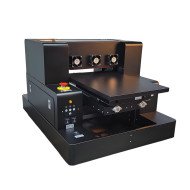
UV-curable inks are less prone to clotting because they polymerize quickly after printing, preventing pigment sedimentation but necessitating curing lamps and more complex drying setups. DTG inks’ water-based nature challenges operators to maintain humidity, temperature, and flow rates precisely for clog-free operation.
GNFEI provides equipment platforms compatible with both UV and DTG inks, enabling flexible production environments that align materials and inks to reduce maintenance burden.
Impact of Curing Techniques on Printhead Health
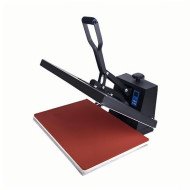
Curing methods directly impact residual ink on printheads. Under-curing results in sticky residues forming on nozzle surfaces, while over-curing risks ink drying inside nozzles. Fine-tuning UV intensity or heat press times optimizes print quality and printer head integrity.
Data shows mild curing at 80-90% intensity with shorter exposure times maintains nozzle cleanliness longer, reducing cleaning cycles by nearly 40% in production trials.
GNFEI's Role in Supporting Reliable DTG Operations
State-of-the-Art Equipment Designed for Clog Prevention
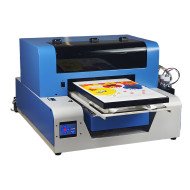
GNFEI's portfolio includes printers equipped with continuous white ink circulation systems, automated maintenance alerts, and quick-swap printheads enabling operators to replace stained heads within minutes. This proactive engineering mitigates common clog scenarios at the machine design level.
Training and Customer Support Programs
GNFEI offers comprehensive training focusing on workflow optimization, printhead care, and ink management. Their technical support teams provide timely troubleshooting assistance and detailed maintenance guides customized per client usage patterns to maximize uptime.
The Importance of Partnering With Trusted Suppliers
Choosing GNFEI means accessing genuine parts, compatible inks, and maintenance fluids rigorously tested for interoperability. This reduces risks associated with third-party components that might void warranties or accelerate clogging.
Reliable supply chains also ensure you can maintain planned maintenance schedules without delay, a crucial factor in preventing printhead blockages from idle ink.
Summary: Continuous Improvement Over Quick Fixes
Addressing DTG printhead clogs requires more than reactive cleaning. It demands a comprehensive approach spanning ink chemistry understanding, environmental control, operator discipline, and equipment choice. Each element contributes to workflow resilience.
Companies willing to invest the time in fine-tuning their maintenance schedules, adopting GNFEI’s proven hardware and training, and meticulously analyzing ink-use economics will see significant returns. Not just in fewer clogs but expanded production capacity, improved print quality, and healthier profit margins.
The challenge remains ongoing: DTG printhead clogging is not a problem 'fixed once and forgotten.' Consistent vigilance and incremental improvements separate thriving operations from struggling ones in this highly technical niche. What maintenance refinements will you implement starting today to take your DTG printing workflow to the next level?