Analyzing ROI and Depreciation of Coffee Printers with a Critical Approach
The Industrial Reality in Coffee Printing
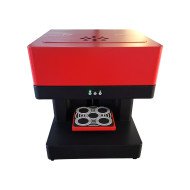
As coffee shop owners grapple with increasing demands for personalized beverages, the introduction of coffee printers, such as the 4 Cups Coffee Printer Selfie Photo Food Printer, marks a significant technological shift. Understanding the true Return on Investment (ROI) and depreciation involved is crucial for decision-makers, who must evaluate not only the initial outlay but also long-term financial implications. This device claims to enhance customer engagement by printing images directly onto coffee, yet the real challenge lies in its financial feasibility. Can this innovation justify its cost through enhanced customer experiences and boosted sales?
Technical Deep-Dive into Depreciation Analysis
Understanding Coffee Printer Mechanisms
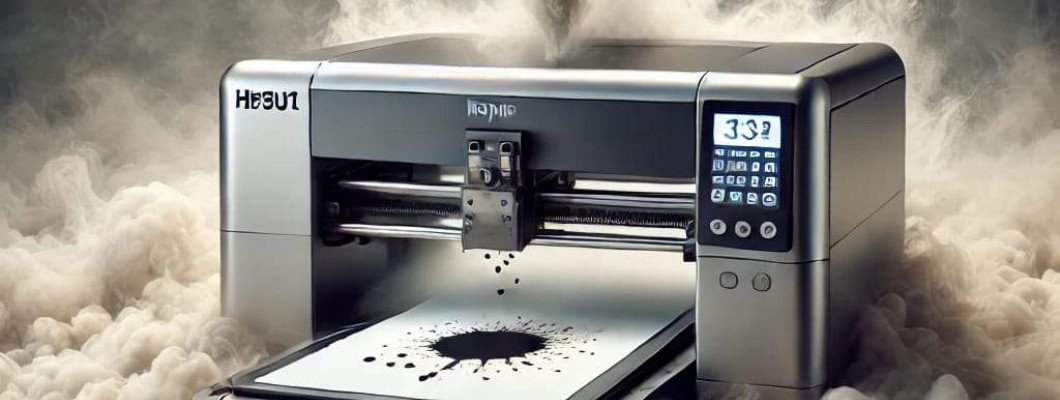
Examining the mechanism of coffee printers involves detailed knowledge of inkjet technology modified for edible ink applications. These machines utilize piezoelectric printheads that precisely deposit edible ink droplets, measured in picoliters (pl), onto the coffee surface. This requires robust hardware capable of fine resolutions, often exceeding 600 dpi, to capture complex images.
Evaluating Cost vs. Benefit
The initial investment cost for a coffee printer ranges from $2,000 to $5,000. Depreciation usually follows a straight-line method, where the asset value decreases evenly over its useful life, typically estimated at 5 years. Understanding these financial metrics aids in calculating the annual depreciation expense, directly impacting financial statements.
Material and Operational Costs
Material costs include edible ink cartridges, priced at approximately $50 per set, with a replacement frequency depending on usage intensity. Operational costs also encompass electricity consumption, estimated at 75 Watts during peak use, and periodic maintenance to ensure printhead efficacy.
Competing Technologies
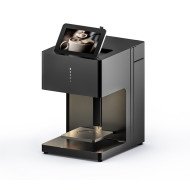
Comparing with competitors, many coffee printers offer advanced features like higher dpi resolutions or faster print speeds. This table provides a comparative analysis:
| Feature | 4 Cups Printer | Leading Competitor |
|---|---|---|
| Resolution (dpi) | 600 dpi | 800 dpi |
| Print Speed | 30 prints/hour | 40 prints/hour |
| Power Consumption | 75 Watts | 60 Watts |
Financial Impact Analysis
ROI calculations must consider not only direct sales but also intangible benefits like enhanced brand loyalty. While direct financial benefits are quantifiable, indirect impacts require sophisticated metrics for accurate assessment.
Scenario Analysis: Different Business Applications
High-Volume Coffee Shops
In bustling coffee shops, the ability to quickly print images could significantly enhance throughput, attracting more customers interested in personalized beverages. However, such environments demand rapid turnarounds, making print speed a critical factor.
Specialty Cafés with Artistic Themes
Specialty cafés focusing on artistic expression may value the printer's ability to produce high-resolution images, thereby enhancing the customer experience. The investment must align with branding strategies that emphasize aesthetic quality.
Event-Based Businesses
For businesses focused on events, such as weddings or corporate meetings, the printer offers unique opportunities for customization. However, the forecast for demand is crucial, as these scenarios depend on sporadic yet high-volume use.
Expert FAQ
What are the edible ink's safety standards?
Edible inks must comply with stringent food safety regulations, typically certified by entities like the FDA, ensuring they pose no health risks.
How does print resolution affect image quality on coffee?
A higher dpi allows for finer detail, essential for replicating complex images accurately on the coffee foam.
What maintenance is required for the printheads?
Regular cleaning and calibration are necessary to maintain printhead performance, as ink residue can clog the nozzles, reducing print quality.
Can this technology integrate with existing café workflows?
Integration depends on the shop's setup; streamlined workflows can incorporate printers effectively, while others may require structural adjustments.
What environmental impact does the printer have?
Printers designed with energy-efficient technologies minimize environmental footprints, though responsible disposal of cartridges remains a concern.
Strategic Verdict on the Coffee Printer's Future
The trajectory of coffee printing technology hinges on balancing innovation with financial viability. While it's poised to enhance customer engagement and brand differentiation, the long-term success depends on overcoming economic and operational challenges, ensuring that the benefits outweigh the costs.