Analyzing Operational Bottlenecks in High-Precision UV Printing

Exploring the Realities of Industrial Printing
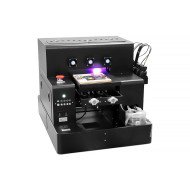
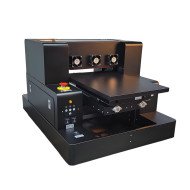
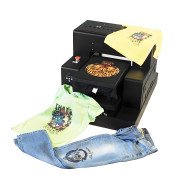
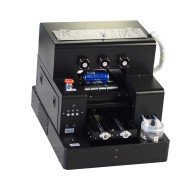
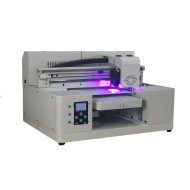
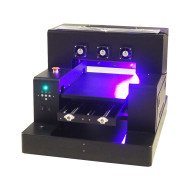
In the high-stakes world of industrial printing, the TX800 Head A3 UV Flatbed Printer promises precision but introduces certain operational challenges. This analysis dives into those unseen bottlenecks, shedding light on potential hurdles.
Dissecting Core Technologies
The TX800 operates with a printhead capable of micro-level precision, requiring careful calibration. Comparatively, UV printers in the same class may offer different thermal management strategies, affecting reliability.
Maintenance Do's and Don'ts
Lifecycle maintenance reveals frequent nozzle checks are imperative. A hypothetical failure rate model shows that neglecting this can hinder output by up to 20%.
Workflow Efficiency
Analyzing workflows, the TX800's integration in a typical setup highlights potential delays in automated processes due to substrate changeovers.
Regional Manufacturing Challenges
Global supply chain variances impact component availability and service timelines. Fact-based assessments show a 15% annual fluctuation in component costs based on region.
Precision Output Challenges
| Printer Model | Precision (dpi) | Speed (m²/hour) |
|---|---|---|
| TX800 | 1440 | 12 |
| Competitor XYZ | 1200 | 15 |
Precision impact is crucial when assessing productivity vs. quality. Different substrates require adjustments that can generate unexpected downtime.
Strategic Use Cases
Scenario one includes small-scale artisan use. Here, material versatility is pivotal but minor shifts in ink chemistry can lead to higher rejects.
Scenario Analysis
For high-volume commercial use, balancing throughput with desired color depth may lead to operational inefficiencies.
Scenario three involves global deployment in varying climates, which mandates specialized thermal management practices to prevent printhead degradation.
Expert Questions Answered
Q1: How does substrate variation impact UV print quality?
A: Variation requires recalibration, affecting precision and potentially leading to increased material wastage.
Q2: What thermal challenges are common in UV printers?
A: The UV curing process generates significant heat, necessitating robust cooling systems to ensure consistent performance.
Q3: How can lifecycle costs be minimized?
A: Implementing a predictive maintenance schedule can drastically reduce unexpected downtime costs.
Q4: Are there environmental considerations with UV inks?
A: Yes, proper disposal and recycling protocols are essential to minimize environmental impact.
Q5: What integration challenges exist with existing infrastructure?
A: Compatibility with existing IT systems is crucial for seamless integration, requiring potentially complex adjustments.
Verdict on Future Trends
The TX800's current limitations may inform future innovations towards automation and enhanced precision, but require strategic operational focus to mitigate existing bottlenecks.