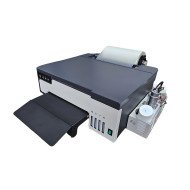
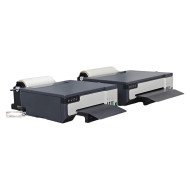
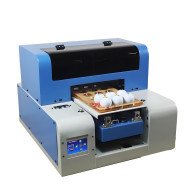
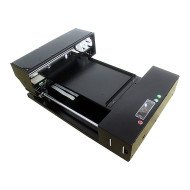
Analyzing Financial Impact: A3 UV Varnish DTF Printer
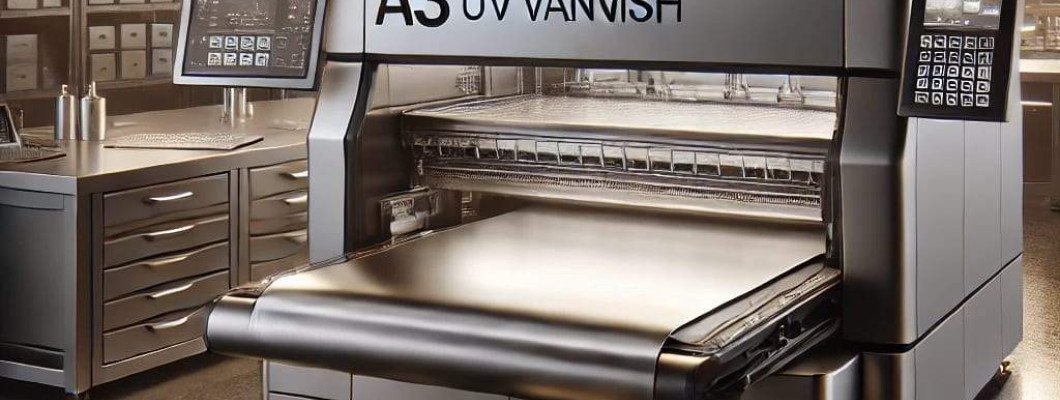
The Industrial Reality of A3 UV Varnish DTF Printers
In an era where precision and efficiency drive the printing industry, the A3 UV Varnish DTF Printer stands as a pivotal asset. As businesses navigate the ever-evolving landscape of print technology, it becomes crucial to understand the financial implications tied to the deployment and operation of such equipment. This analysis focuses on the hidden operational bottlenecks and lifecycle maintenance costs associated with these printers, providing an objective lens on their true value.
Technical Deep-Dive: Unseen Costs of Operation
Material Waste and Efficiency
The A3 UV Varnish DTF Printer is renowned for its high precision, resulting in minimal waste. However, materials like UV varnish have specific handling requirements, impacting operational costs. Calculating waste per print run (measured in ml) reveals hidden inefficiencies.
Lifecycle Maintenance
Maintenance intervals, determined by printhead life span (average 1,000 hours), highlight critical cost junctures. Replacement and labor costs can accumulate, necessitating a streamlined maintenance schedule to reduce downtime.
Electrical Consumption
Energy use, measured in Watts, directly affects operational expenses. With a power consumption rate of 750W, monthly usage analysis provides a clear picture of ongoing costs, underscoring the importance of energy-efficient models.
Speed vs. Quality
Balancing speed (measured in ppm) and print quality (in dpi) is essential. The A3 UV Varnish printer achieves high-resolution output at 1200 dpi, yet speed reductions can significantly impact throughput and labor efficiency.
Hardware Comparisons
Examining similar technology reveals differing specs:
| Printer Model | Print Speed (ppm) | Resolution (dpi) | Power Consumption (W) |
|---|---|---|---|
| A3 UV Varnish DTF | 15 | 1200 | 750 |
| XYZ UV PrintMaster | 20 | 960 | 800 |
Scenario Analysis: Impactful Application
Retail Label Production
In high-volume retail settings, output speed and consistency are paramount. The A3 UV Varnish DTF Printer’s high dpi ensures brands maintain quality while balancing production demands.
Industrial Packaging
For industrial applications, durability and UV-resistant finishes set this printer apart. This not only extends the lifecycle of printed materials but also reduces reprinting costs.
Customized Client Solutions
Customization, a growing trend, requires versatility. The A3 printer’s ability to handle diverse substrates without sacrificing quality enhances client satisfaction and retention.
Expert FAQ: Advanced Queries Answered
What are common printhead issues?
Clogging and alignment errors are frequent, impacting print quality and requiring careful maintenance.
How is UV varnish yield calculated?
Yield depends on layer thickness, typically measured in microns, directly affecting material costs.
What environmental considerations matter?
Compliance with emission standards and solvent handling dictates operational protocols.
How does substrate choice affect performance?
Certain substrates require pre-treatment, influencing speed and cost of production.
What optimizes workflow with A3 printers?
Integration with automated systems can enhance throughput and reduce manual oversight.
Strategic Verdict on Printing Technology
Moving forward, the A3 UV Varnish DTF Printer represents a strategic investment for businesses prioritizing quality and operational efficiency. While total cost of ownership extends beyond initial acquisition, potential savings from reduced waste and enhanced performance cannot be overlooked. As technology advances, combining these printers with emerging automation solutions will further mitigate operational risks.